


Bottleneck: Understanding Its Impact on Performance, Productivity, and Growth
Introduction:
In many areas of life and business, progress often slows not because of a lack of effort, but due to a single point of restriction. This restriction is commonly known as a Bottleneck. Whether in manufacturing, technology, project management, or everyday workflows, a bottleneck can significantly affect efficiency, output, and overall success. Understanding what a bottleneck is and how to manage it is essential for anyone looking to improve performance and achieve sustainable growth.
What Is a Bottleneck?
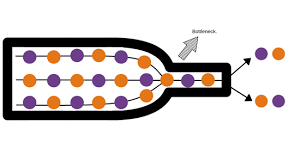
A bottleneck refers to a stage in a process where the flow of work is limited or slowed down due to insufficient capacity or resources. The term originates from the narrow neck of a bottle, which restricts how quickly liquid can pour out. In the same way, a bottleneck in a system restricts the rate at which tasks, products, or information can move forward.
In any process made up of multiple steps, the entire system can only move as fast as its slowest part. That slowest part is the bottleneck. Identifying it is the first step toward improving overall efficiency.
Bottleneck in Business and Operations
In business operations, a bottleneck often appears when demand exceeds capacity. For example, a production line may have one machine that processes items slower than the others. Even if all other machines are working at full speed, output remains limited by that single bottleneck.
Similarly, in service-based businesses, a bottleneck might be a lack of trained staff, outdated software, or inefficient approval procedures. These issues can lead to delays, customer dissatisfaction, and increased operational costs. Addressing a bottleneck in business operations allows organizations to maximize resources and improve profitability.
Bottleneck in Project Management
Project management is another area where bottlenecks frequently occur. When tasks are interdependent, a delay in one phase can halt progress across the entire project. For instance, if a key decision-maker is unavailable or a critical task takes longer than expected, the whole timeline may be affected.
Effective project managers regularly monitor workflows to detect bottlenecks early. By reallocating resources, adjusting schedules, or simplifying processes, they can minimize delays and keep projects on track.
Bottleneck in Technology and Systems
In technology, a bottleneck can severely impact system performance. Common examples include limited server capacity, slow network connections, or inefficient code. Even if most components of a system are highly optimized, one bottleneck can cause the entire system to underperform.
For example, a powerful computer with a slow hard drive may still run applications sluggishly. In this case, the storage device becomes the bottleneck. Identifying and upgrading that single component can lead to a dramatic improvement in overall performance.
See more: Bottleneck Rechner
Bottleneck in Everyday Life
Bottlenecks are not limited to businesses or technology—they appear in everyday life as well. Traffic congestion is a classic example. A narrow road or busy intersection can slow down hundreds of vehicles, even if the rest of the road network is clear.
Time management can also involve bottlenecks. A person may have plenty of motivation and energy, but a lack of organization or poor prioritization can become a bottleneck that prevents progress. Recognizing these personal bottlenecks can help individuals improve productivity and reduce stress.
How to Identify a Bottleneck
Identifying a bottleneck requires careful observation and data analysis. Common signs include long wait times, work piling up at a specific stage, frequent complaints, or underutilized resources in other areas. Tools such as workflow diagrams, performance metrics, and process audits can help pinpoint where the bottleneck exists.
Once identified, it is important to focus improvement efforts on that specific area rather than making random changes elsewhere. Improving non-bottleneck areas rarely increases overall output.
Strategies to Resolve a Bottleneck
There are several effective strategies to address a bottleneck. These include increasing capacity at the bottleneck point, redistributing workloads, improving skills through training, or investing in better tools and technology. In some cases, simplifying or eliminating unnecessary steps can remove the bottleneck entirely.
Another powerful approach is continuous improvement. By regularly reviewing processes and making incremental changes, organizations can prevent new bottlenecks from forming as conditions change.
Conclusion
A Bottleneck may seem like a small issue, but its impact can be far-reaching. It limits efficiency, slows progress, and affects outcomes across systems large and small. Whether in business, technology, project management, or daily life, recognizing and addressing bottlenecks is essential for achieving better results.
By identifying the weakest point in a process and focusing efforts there, individuals and organizations can unlock higher productivity, smoother workflows, and sustainable growth. Understanding the concept of a bottleneck is not just about solving problems—it is about creating smarter, more resilient systems for the future.
See more blogs: Visit Here

 Arabic
 French
 Spanish
 Portuguese
 Deutsch
 Turkish
 Dutch
Dutch
 Italiano
 Russian
 Romaian
 Portuguese (Brazil)
 Greek
Greek