


Tooth Extraction Treatment: Before and After Care Guide
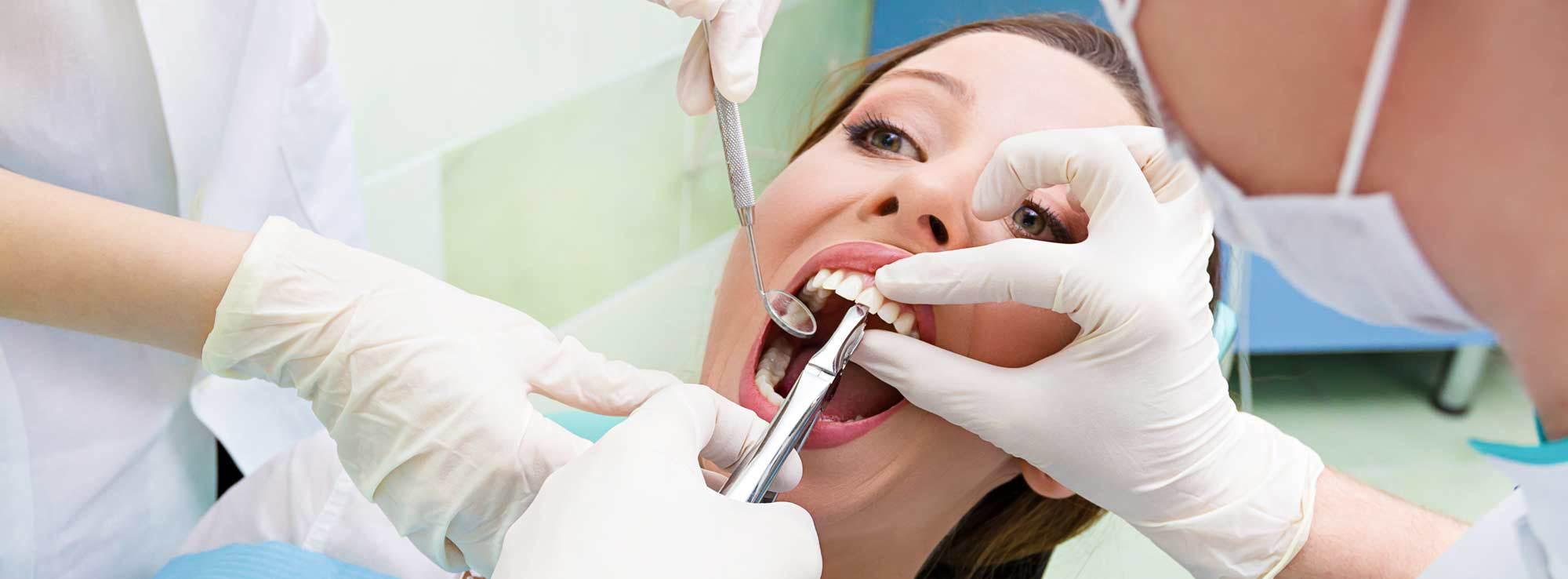
Tooth extraction treatment is a routine dental procedure, but proper preparation and post-operative care are essential for a smooth experience and successful recovery. Understanding what to do before and after the Tooth Extraction in Dubai helps minimize pain, prevent complications, and support faster healing.
Preparing for Tooth Extraction:
Preparation begins even before the procedure. Patients should provide their dentist with a complete medical history, including current medications and any chronic conditions. Discussing anesthesia options, such as local anesthesia or sedation, ensures comfort during the procedure.
Arranging transportation if sedation is planned, wearing comfortable clothing, and scheduling a convenient time for the appointment can reduce stress and make the process more manageable. Preparing soft foods for the first few days after extraction also sets the stage for a smoother recovery.
What to Expect During the Procedure?
During tooth extraction treatment, the dentist numbs the area with local anesthesia to prevent pain. For more complex cases, such as impacted teeth or surgical extractions, sedation may be administered. Simple extractions involve gently loosening and removing the tooth, while surgical procedures may require small incisions or tooth sectioning.
The dentist ensures the surrounding bone and gums are protected throughout the process, and stitches may be placed if necessary. Understanding these steps helps patients feel more at ease during the procedure.
Immediate Post-Extraction Care:
The first 24 hours are critical for recovery. Biting gently on gauze helps control bleeding and supports the formation of a protective blood clot. Resting with the head elevated reduces swelling, while applying cold compresses to the cheeks eases discomfort.
Patients should avoid touching the extraction site, rinsing vigorously, spitting forcefully, or using straws to prevent dislodging the clot. Following these guidelines sets the foundation for faster healing and reduces the risk of dry socket.
Pain and Swelling Management:
Pain and swelling are common after tooth extraction treatment. Over-the-counter pain relievers, or prescribed medications in more complex cases, help control discomfort. Cold compresses in the first 24–48 hours reduce inflammation, and warm compresses later can ease jaw soreness.
Limiting physical activity during the initial days supports natural healing and prevents additional discomfort.
Dietary Guidelines After Extraction:
Soft, easy-to-eat foods such as yogurt, mashed potatoes, soups, scrambled eggs, and smoothies are ideal during the early recovery phase. Cold or lukewarm foods soothe tenderness, while protein-rich and nutrient-dense options support tissue repair.
Patients should avoid hard, crunchy, sticky, spicy, or acidic foods that can irritate the extraction site or introduce bacteria. Adequate hydration further supports healing and oral health.
Oral Hygiene Practices:
Maintaining oral hygiene is crucial, but the extraction site requires gentle care. After the first 24 hours, warm saltwater rinses help remove bacteria without disturbing the healing clot. Brushing surrounding teeth carefully with a soft-bristled toothbrush prevents infection while protecting the extraction area.
Flossing near the site should be avoided until the gums are fully healed to prevent irritation.
Monitoring for Complications:
While mild pain and swelling are normal, patients should monitor for warning signs. Excessive bleeding, persistent or worsening pain, pus discharge, fever, or unusual odor may indicate infection or dry socket. Prompt consultation with a dentist ensures early intervention and prevents more serious issues.
Gradually Returning to Daily Activities:
As healing progresses, patients can slowly resume normal routines. Soft foods should continue for several days, and oral hygiene practices should return to normal gradually. Follow-up visits allow the dentist to monitor recovery and ensure the extraction site heals properly.
Long-Term Care and Oral Health:
After complete healing, maintaining oral hygiene, attending routine dental check-ups, and considering tooth replacement options, such as implants or bridges, support long-term oral health. Proper care prevents complications, preserves alignment of surrounding teeth, and maintains overall dental function.
Final Thoughts on Before and After Care:
Proper before and after care is essential for successful Tooth Extraction Treatment. Preparing for the procedure, following post-operative guidelines, managing pain and swelling, maintaining a soft-food diet, and practicing gentle oral hygiene all contribute to smooth recovery.
By adhering to these care guides and monitoring healing closely, patients can experience minimal discomfort, prevent complications, and maintain long-term oral health.

 English
 Arabic
 French
 Spanish
 Deutsch
 Turkish
 Dutch
Dutch
 Italiano
 Russian
 Romaian
 Portuguese (Brazil)
 Greek
Greek