


Understanding Post-Impressionist Art: A Guide for Enthusiasts
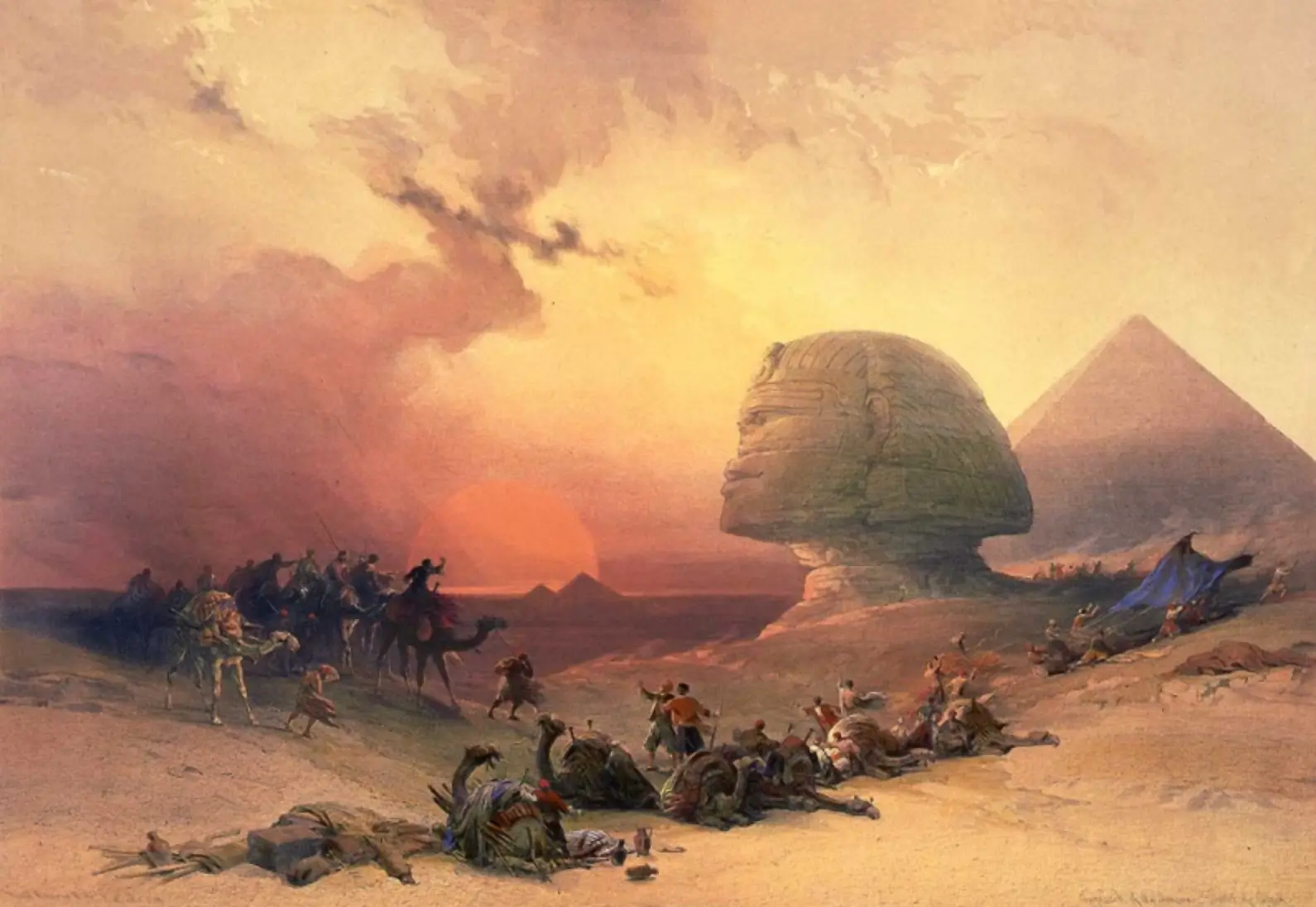
Post, Impressionism was a powerful artistic revolution that came about towards the end of the 19th century. It was a direct answer to the challenges presented by Impressionism. Whereas Impressionists concentrated on showing light and nature with their loose strokes, Post Impressionist artists gave more importance to the creation of a solid structure, the depiction of various forms, and the release of ones emotions through art. The distinguishing factor of this new movement was not a particular style but a collective attempt to understand the deeper layers and personal areas of art.
Characteristics of Post-Impressionist Art
Post, Impressionist art pieces frequently featured bright colors, energetic brushstrokes, and unusual layout designs. Creators played around with different shapes, lines, and textures to express feelings and present their artworks as symbols. In contrast with Impressionists who still held high the mirror of the visible world, Post, Impressionists gave prominence to the artists main idea or concept. This culminated in such artworks that are not only full of life but also challenge ones thinking.
Famous Post-Impressionist Artists
Some of the most famous Post, Impressionist painters are Vincent van Gogh, Paul Czanne, Paul Gauguin, and Georges Seurat. Each painter brought his own style to the movement: Van Gogh painted with colorful, dynamic brushstrokes; Czanne worked out the shapes of objects as geometric forms; Gauguin depicted very unusual or exotic subjects; and Seurat is well known for his technique of painting with tiny dots. These artists combined discoveries and inventions not only affected each other but also shaped the course of modern art.
Themes in Post-Impressionism
Common subjects depicted by Post, Impressionists were landscapes portraits still life, and scenes from everyday life. Through the movement, artists started using art as a medium for personal expression, symbolic content, and emotional evocation, resulting in multi, layered artworks. For collectors and lovers of art, investing in Post, Impressionist pieces is not only a fulfilling experience but also an enlightening one. Original works like paintings, prints and lithographs can be found in many galleries and auction houses. Knowing the traits, creators, and the time period of Post, Impressionism can lead to smart purchasing choices and deepen ones respect for the movement.
Collecting Post-Impressionist Art
For collectors and art enthusiasts, acquiring Post-Impressionist works can be both rewarding and educational. Many galleries and auction houses offer access to original paintings, prints, and lithographs. Understanding the characteristics, artists, and historical context of Post-Impressionism can help collectors make informed decisions and appreciate the movement’s significance.
Conclusion
Post, Impressionism is a landmark in the history of art as it connects Impressionism with various modern art forms. Emphasis on feeling, composition, and self, expression in the movement have kept it relevant and appealing to artists and collectors even today. Delving into Post, Impressionism enriches ones appreciation of artistic innovation, use of color, and the visual narratives development.

 English
 Arabic
 French
 Spanish
 Deutsch
 Turkish
 Dutch
Dutch
 Italiano
 Russian
 Romaian
 Portuguese (Brazil)
 Greek
Greek