


How Packaging Shapes Customer Food Choices?
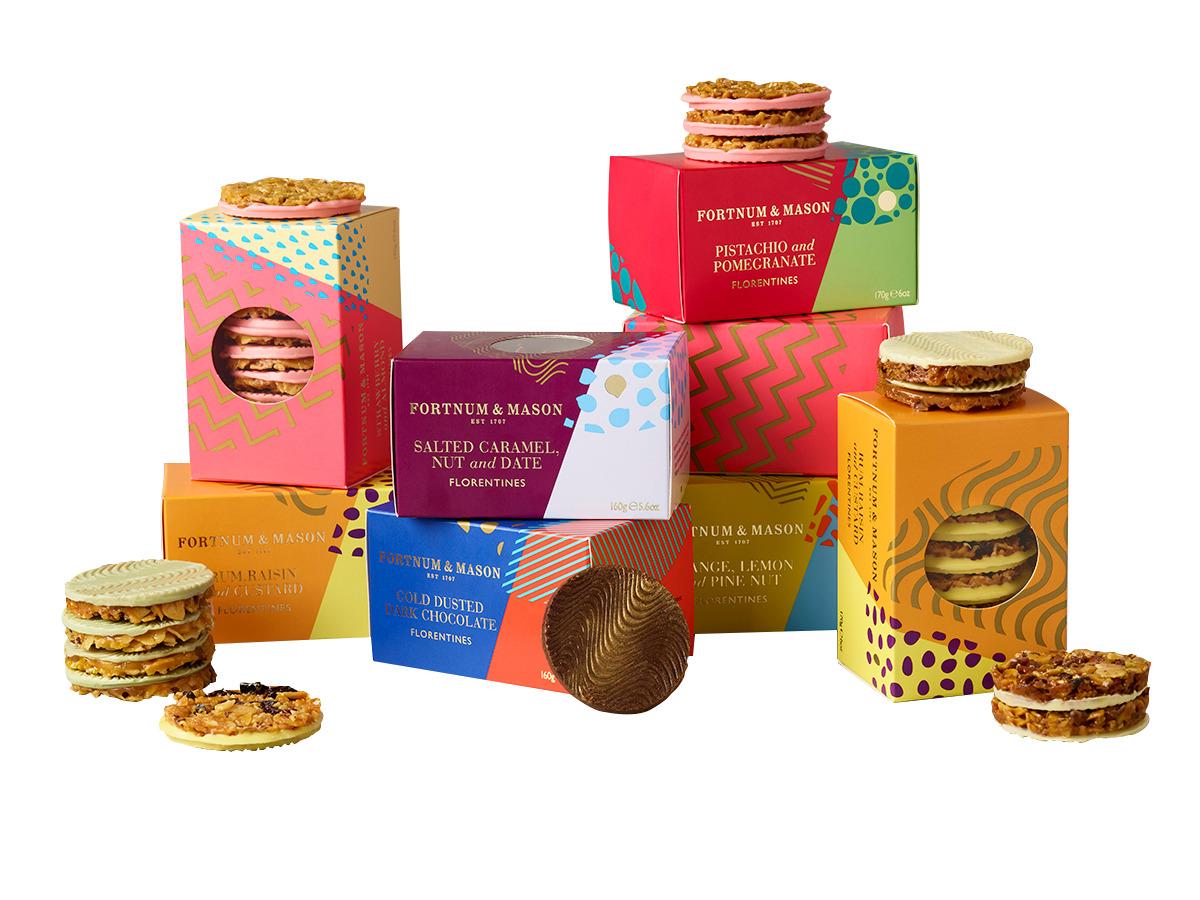
When someone picks a product, the first thing noticed is packaging. Eyes go to colors, shapes, and texture before understanding what is inside. Packaging makes food seem more important. A plain bag may not attract attention, but an organized box draws interest. Packaging tells the story about the product and the producer. Shows care and thought, which affects choice. People often remember selection based on unboxing or opening experience rather than food alone. Shape and window in food boxes guide perception. Arrangement and organization affect expectation. Even small details, like compartments inside the box, influence whether a product is picked. Packaging acts as a silent guide to decision.
Why do colors and fonts affect food selection?
Colors send messages. Red may suggest bold taste, green suggests freshness, yellow signals sweetness. Fonts communicate style. Curved fonts appear casual, sharp fonts show seriousness. Combination of color and font helps recognition. Customers often rely on visual cues. Packaging with consistent colors and fonts appears reliable. Contrasting or readable text guides attention. Overcrowded or unclear text may reduce appeal. Visual signals help people judge flavor, quality, and portion without opening the box. Packaging works as first interaction, shaping decisions before tasting.
How does shape and size influence customer perception?
Box shape signals portion or use. A tall box feels more product, a wide box suggests sharing, and a small box signals a single portion. The transparent window shows content, building trust. Curved or irregular shapes attract attention on the shelf. Organization inside box matters. Neatly arranged items feel orderly, cluttered arrangement feels careless. Dimension and form influence expectation of quantity. Easy-to-hold boxes increase likelihood of selection. Shape communicates purpose and function without words. Packaging serves as the first guide for portion judgment.
How can packaging show freshness and quality?
Freshness is crucial for choice. Clear window, sealed edge, and strong material communicate product is handled properly. Liner or airtight compartment signals careful preparation. Smooth surface and clean desgin indicate care. People link neat boxes with safe food. Presence of date or ingredient display adds trust. Consistent and intact boxes encourage choice. Food boxes that show organized arrangement convey freshness better than labels alone. Packaging is often more important than first taste in guiding selection. A strong box protects content and suggests reliability.
How does label and information affect decisions?
Label communicates without interaction. Ingredient list, nutrition facts, or dietary claim reassures buyers. Claims like “sugar-free” or “organic” attract a target audience. desgin of text matters; concise, readable design works better. Symbols or icons convey messages quickly. People scan boxes before picking. Properly organized information reduces confusion. Labels with clear text balances appeal with clarity. Placement near visual cues increases impact. Labels help differentiate flavors or versions. Information is guided alongside design for confident choice.
Why does storytelling on box affect selection?
Packaging can tell a story about a product or maker. Illustration or message creates connection. A bakery showing a traditional oven indicates care. The story makes the product memorable before tasting. Messages about the origin of ingredients or processes attract attention. Consumers share stories with friends. Box becomes memory rather than object. Short phrases or images inform the background. Story-driven packaging engages attention and influences repeat selection. The experience of opening a box includes a narrative. Story communicates value through design and text.
Can customization influence food selection?
Customization attracts interest. Adding a name, image, or theme creates a unique box. Custom Printed Cookie Boxes allow business to stand out. Personal design increases perceived value. Custom packaging matches occasions like birthdays or festivals. Customers feel products are created for them. Small businesses benefit from cost-effective marketing. Social media sharing is encouraged. Personalized boxes combine creativity and communication. Custom boxes signal thoughtfulness. Selection influenced by uniqueness. The product appears special before opening. Customization guides perception and builds connection.
How does texture guide choice?
Box texture affects perception. Smooth, rough, or plain surface communicates care. Embossed logo or stamped design creates experience. Customers touch the box before picking. Touch indicates attention to process. Simple cardboard feels basic, strong or lined box feels safe. Texture creates anticipation and curiosity. People remember sensation longer than sight. Packaging forms first sensory interaction. Hand-held experience influences selection. Tactile cue signals quality of product inside.
How does shelf placement and visibility affect selection?
Shelf arrangement changes choice. Eye-level placement attracts attention, low placement may be missed. A transparent window helps you see content. Box orientation, alignment of text, and graphics influence perception. Display organization guides selection. Proper display increases impulse selection. Consistent design builds recognition. desgin and packaging design together create a guide. Visual hierarchy ensures product is noticed. Box appearance and placement drive initial interaction with customers. Arrangement communicates priority and value.
Can packaging help small businesses grow?
Packaging differentiates business. Design communicates care and process. Startups using organized or custom boxes can compete with larger companies. UPacked helps businesses create boxes reflecting style and audience. Custom design leaves an impression. Box can work as a marketing tool without extra cost. Proper packaging encourages repeat selection and sharing. A creative box turns a simple product into a memorable gift. Investment in packaging returns value through recognition and loyalty. Packaging becomes the silent ambassador of a brand.
How does packaging affect sharing or gifting?
Food often shared or gifted. Box design influences perception of gift quality. Clean, organized, and functional box suitable for giving. Presentation increases perceived value. Seasonal or themed boxes encourage sharing. Consumers are more likely to choose a product when the box conveys thoughtfulness. Packaging enhances emotional experience. Sharing is guided by the appeal and usability of the box. Box designed for transport or display increases chance of selection. Packaging shapes experience for giver and recipient. Selection influenced by functional and visual factors.

 English
 Arabic
 French
 Spanish
 Deutsch
 Turkish
 Dutch
Dutch
 Italiano
 Russian
 Romaian
 Portuguese (Brazil)
 Greek
Greek