


Vaginal Swab Test: Everything You Need to Know Before Getting Tested
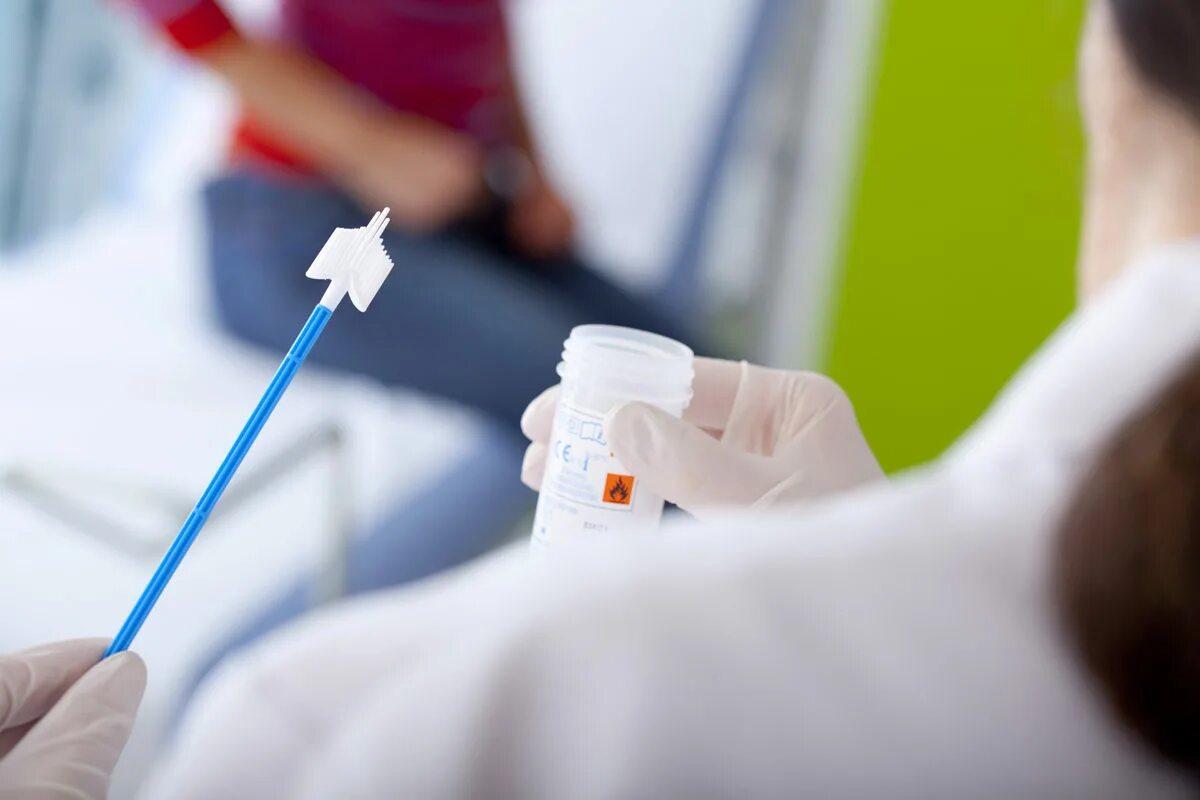
When it comes to women’s health, early detection and accurate diagnosis make all the difference. A Vaginal Swab Test in Dubai is one of the most common, simple, and highly effective diagnostic tools used in gynecology. Yet, many women feel anxious or unsure before getting tested because they don’t fully understand the procedure.
What Is a Vaginal Swab Test?
A vaginal swab test is a medical procedure in which a healthcare provider collects a sample of vaginal discharge using a sterile cotton swab. The sample is then examined in a laboratory to identify infections, bacteria, fungi, or sexually transmitted infections (STIs).
This diagnostic test plays a crucial role in maintaining reproductive health. It helps detect conditions such as:
-
Bacterial vaginosis
-
Yeast infections (Candida)
-
Sexually transmitted infections like chlamydia and gonorrhea
-
Trichomoniasis
-
Group B streptococcus (especially during pregnancy)
Unlike a Pap smear, which screens for cervical cancer, a vaginal swab focuses primarily on identifying infections and abnormal microorganisms within the vaginal environment.
Why Is a Vaginal Swab Test Performed?
Your doctor may recommend a vaginal swab test if you experience symptoms such as:
-
Unusual vaginal discharge (color, odor, or consistency changes)
-
Vaginal itching or irritation
-
Burning sensation during urination
-
Pelvic pain
-
Pain during intercourse
-
Abnormal vaginal odor
Even if you don’t have noticeable symptoms, routine STI screening may include a vaginal swab, especially if you are sexually active or have multiple partners.
Pregnant women may also undergo vaginal swab testing to screen for Group B strep to prevent complications during delivery.
How the Vaginal Swab Procedure Works?
Understanding the procedure can help reduce anxiety.
Preparation at the Clinic:
You will lie on an examination table, similar to a routine gynecological exam. A speculum may be gently inserted into the vagina to allow the healthcare provider to see the vaginal walls and cervix clearly.
Sample Collection:
Using a sterile swab, the provider collects a small sample of vaginal fluid. The process typically takes only a few seconds and may cause mild discomfort but is generally not painful.
In some cases, you may be given instructions to perform a self-collected vaginal swab. Studies have shown that self-swab tests can be just as accurate as clinician-collected samples for detecting infections like chlamydia and gonorrhea.
Laboratory Testing:
The sample is sent to a lab for analysis. Depending on the suspected condition, tests may include:
-
Microscopic examination
-
Culture testing
-
Nucleic acid amplification tests (NAAT)
-
pH testing
-
Wet mount analysis
Results may take anywhere from a few hours to several days.
How to Prepare for a Vaginal Swab Test?
Proper preparation ensures accurate results. Here are important pre-test guidelines:
-
Avoid douching for at least 24–48 hours before the test
-
Do not use vaginal creams, medications, or spermicides unless instructed
-
Avoid sexual intercourse 24 hours before testing
-
Try not to schedule the test during your menstrual period
-
Inform your doctor about any antibiotics you’re taking
These steps help maintain the natural vaginal flora and prevent false-negative or inaccurate test results.
Does a Vaginal Swab Test Hurt?
Most women describe the procedure as mildly uncomfortable rather than painful. You may feel slight pressure from the speculum or brief irritation during swab collection.
If you experience significant pain, inform your healthcare provider immediately. Conditions like vaginal inflammation or severe infection may increase sensitivity.
Deep breathing and relaxing your pelvic muscles can make the process smoother.
Conditions Diagnosed Through Vaginal Swab Testing:
A vaginal swab test can detect a wide range of vaginal infections and reproductive health issues.
Bacterial Vaginosis (BV):
This common condition occurs when there is an imbalance in vaginal bacteria. Symptoms often include grayish discharge and a strong fishy odor.
Yeast Infection (Candidiasis):
Caused by overgrowth of Candida fungus, symptoms include thick white discharge, itching, redness, and irritation.
Sexually Transmitted Infections (STIs):
A vaginal swab can detect infections such as:
-
Chlamydia
-
Gonorrhea
-
Trichomoniasis
Early detection prevents complications like pelvic inflammatory disease (PID) and infertility.
Group B Streptococcus (GBS):
Pregnant women are screened for GBS to reduce the risk of neonatal infection during childbirth.
Understanding Your Vaginal Swab Test Results:
Results are typically categorized as:
-
Negative (no infection detected)
-
Positive (specific infection identified)
-
Inconclusive (additional testing required)
If your test is positive, your doctor will recommend appropriate treatment. This may include:
-
Antibiotics for bacterial infections
-
Antifungal medications for yeast infections
-
Antiparasitic drugs for trichomoniasis
It is important to complete the full course of prescribed medication even if symptoms improve.
For STIs, your sexual partner may also need treatment to prevent reinfection.
Vaginal Swab Test vs. Pap Smear: What’s the Difference?
Many women confuse a vaginal swab with a Pap smear. While both involve sample collection from the vaginal or cervical area, their purposes differ:
-
A Pap smear screens for cervical cancer and abnormal cells.
-
A vaginal swab detects infections and microorganisms.
Your doctor may perform both during the same visit depending on your symptoms and age.
Can You Do a Vaginal Swab Test at Home?
Home testing kits are becoming increasingly popular. These allow you to collect a vaginal sample privately and send it to a laboratory for analysis.
At-home STI test kits are available for infections like chlamydia and gonorrhea. While convenient, it’s essential to:
-
Choose FDA-approved or clinically validated kits
-
Follow instructions carefully
-
Consult a doctor for positive results
Home tests are useful for screening but should not replace regular gynecological checkups.
When Should You See a Doctor Immediately?
Seek medical attention if you experience:
-
Severe pelvic pain
-
High fever
-
Foul-smelling discharge
-
Heavy bleeding
-
Painful urination combined with fever
These symptoms could indicate more serious conditions such as pelvic inflammatory disease.
Benefits of Early Vaginal Infection Detection:
Timely testing offers significant advantages:
-
Prevents complications
-
Protects fertility
-
Reduces risk of infection spreading
-
Improves sexual health
-
Ensures safe pregnancy outcomes
Ignoring symptoms or delaying testing can lead to chronic infections or reproductive damage.
Frequently Asked Questions:
How long does a vaginal swab test take?
The procedure usually takes less than five minutes. Laboratory results may take 1–3 days.
Can I take the test during my period?
It’s best to avoid testing during menstruation unless urgent, as blood can affect accuracy.
Is the test confidential?
Yes. Medical testing and STI screening are confidential, and results are protected under patient privacy laws.
Do I need a vaginal swab if I have no symptoms?
If you are sexually active or at risk for STIs, routine screening may still be recommended even without symptoms.
Final Thoughts:
A Vaginal Swab Test is a simple yet powerful diagnostic tool that supports women’s reproductive and sexual health. Whether you are experiencing unusual symptoms or undergoing routine screening, understanding the process can ease anxiety and encourage proactive care.
Prioritizing vaginal health is not just about treating infections — it’s about protecting your overall well-being. If you notice changes in discharge, odor, or discomfort, don’t hesitate to consult a healthcare provider. Early testing leads to accurate diagnosis, effective treatment, and peace of mind.
Taking charge of your reproductive health starts with informed decisions — and a vaginal swab test is one important step toward maintaining balance, comfort, and confidence.

 English
 Arabic
 French
 Spanish
 Portuguese
 Deutsch
 Dutch
Dutch
 Italiano
 Russian
 Romaian
 Portuguese (Brazil)
 Greek
Greek