


Nigeria and the IMF: Navigating Economic Reforms Amidst Challenges
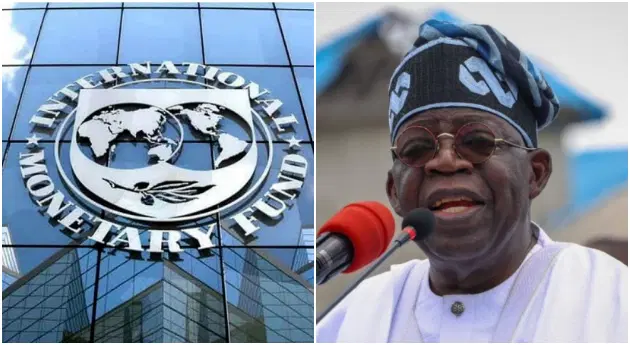
As of May 2025, Nigeria's economic landscape is marked by significant developments in its relationship with the International Monetary Fund (IMF). The nation's full repayment of the $3.4 billion emergency loan received during the COVID-19 pandemic and the conclusions from the 2024 Article IV Consultation underscore both progress and ongoing challenges.
🇳🇬 Full Repayment of IMF COVID-19 Loan
In April 2020, Nigeria secured a $3.4 billion loan from the IMF's Rapid Financing Instrument to mitigate the economic fallout from the pandemic and collapsing oil prices. By April 30, 2025, the country had fully repaid this loan, a milestone confirmed by IMF's resident representative, Christian Ebeke. Despite the principal repayment, Nigeria will continue annual payments of approximately $30 million in Special Drawing Rights charges.
📊 Insights from the 2024 Article IV Consultation
The IMF's 2024 Article IV Consultation with Nigeria highlighted several key areas:
-
Economic Growth and Challenges: Over the past decade, Nigeria's growth has barely kept pace with population increases. Poverty has risen, and food insecurity is escalating. The government faces constraints due to low domestic revenue mobilization and pervasive governance issues.
-
Reform Initiatives: The new administration has embarked on ambitious reforms, including the removal of fuel subsidies, unification of foreign exchange windows, and efforts to enhance revenue mobilization and governance. Strengthening social safety nets is also a priority.
-
Inflation and Monetary Policy: Inflation reached 32% year-on-year in February 2024, driven by food prices and loose financial conditions. Continued monetary tightening is expected to gradually reduce inflation to 24% by the end of 2024.
🔍 Looking Ahead
Nigeria's full repayment of the IMF loan demonstrates a commitment to fiscal responsibility. However, the challenges outlined in the Article IV Consultation underscore the need for sustained reforms and effective policy implementation. Addressing issues such as low revenue mobilization, governance, and inflation will be crucial for achieving macroeconomic stability and inclusive growth.
The IMF's continued engagement and support can provide valuable guidance as Nigeria navigates its economic recovery and reform agenda.
Disclaimer: This article is for informational purposes only and does not constitute financial advice. Always consult with a financial advisor or conduct your own research before making investment decisions.


 English
 Arabic
 French
 Spanish
 Portuguese
 Deutsch
 Dutch
Dutch
 Italiano
 Russian
 Romaian
 Portuguese (Brazil)
 Greek
Greek