


The Importance of Regular Eye Exams for Clear Vision
Maintaining good eye health is more than just having the right prescription for glasses or contacts. Our vision changes gradually over time, and many eye conditions develop silently, without obvious symptoms. Regular eye exams are essential not only for keeping your vision sharp but also for identifying potential health issues early. Whether you rely on corrective lenses or have perfect vision, routine assessments can ensure your eyes remain healthy and your eyesight stays clear.
With advancements in technology and diagnostic tools, eye care professionals can detect problems long before they become serious. Understanding the importance of these check-ups can help you take a proactive approach to your eye health and overall well-being.
Why Regular Eye Exams Are Essential
Routine eye exams play a critical role in maintaining clear vision and preventing long-term damage. Many eye conditions, such as glaucoma or macular degeneration, progress without noticeable symptoms. Detecting these conditions early dramatically increases the effectiveness of treatment and can preserve vision for years to come.
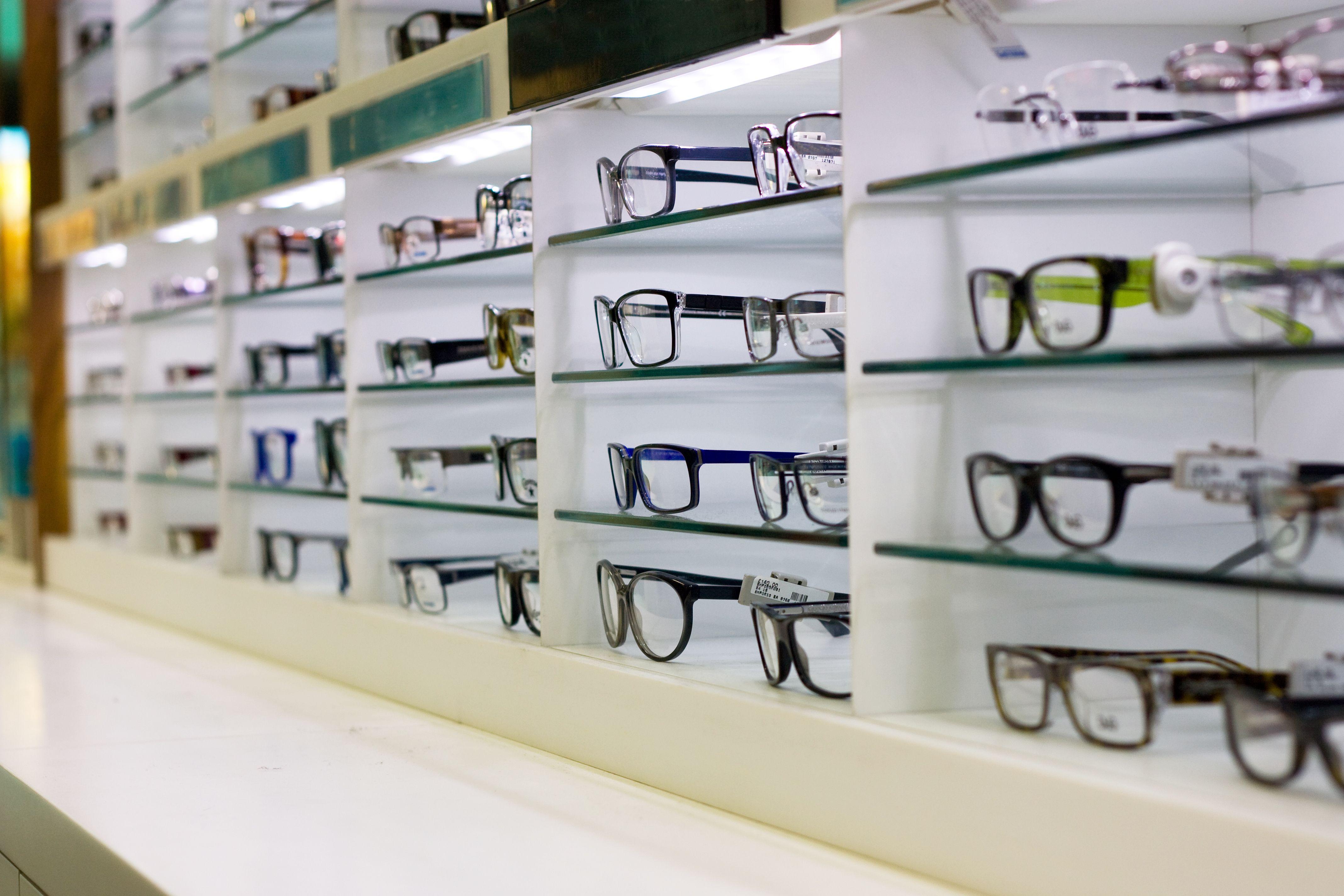
A visit to a glasses store in Blacktown often includes not just frame selection but also comprehensive vision testing. Optometrists can assess visual acuity, monitor changes in eye pressure, and evaluate the overall health of the retina and optic nerve. These assessments allow for timely interventions, such as prescription updates, lifestyle adjustments, or referrals to specialists. Regular examinations also help identify systemic health issues, like diabetes or high blood pressure, which can first manifest in the eyes.
Routine eye exams are vital for everyone children, adults, and seniors alike. Children need early detection of vision problems to support learning and development, while adults benefit from monitoring for age-related conditions. Seniors often require more frequent assessments to manage conditions like cataracts and glaucoma, which are more common as we age.
What to Expect During an Eye Exam
A comprehensive eye exam involves several key steps to evaluate both vision clarity and eye health. Here’s what you can expect:
Medical and Vision History Review
The appointment typically begins with a discussion about your medical and vision history. The optometrist will ask about current symptoms, past eye conditions, family history, lifestyle factors such as screen time, and any medications that may affect your eyes. This background helps tailor the examination to your specific needs.
Visual Acuity Testing
Next, your vision will be measured at various distances using a standard eye chart. This helps determine if you need glasses or contact lenses, or if your current prescription needs updating. The results are usually recorded as a fraction, like 6/6 or 20/20, indicating how clearly you can see.
Refraction Assessment
If corrective lenses are needed, a refraction test is performed. Using a phoropter, the optometrist will ask which lens options provide the clearest vision. This ensures that any new prescription is accurate for both distance and near vision.
Eye Muscle and Coordination Testing
Your eyes must work together for clear and comfortable vision. Eye muscle tests assess alignment, depth perception, and coordination, which are particularly important for children and people experiencing double vision or frequent eye strain.
Eye Health Examination
The optometrist examines the structure of your eyes using specialized lights and microscopes. Pupil dilation may be performed for a more detailed view of the retina and optic nerve. Eye pressure measurements help detect glaucoma, while the retina and optic nerve are checked for signs of disease or damage.
Additional Tests
Advanced diagnostic tests, such as retinal imaging, Optical Coherence Tomography (OCT), or visual field testing, may be recommended based on age, risk factors, or symptoms. These assessments provide a deeper understanding of eye health and allow for early detection of subtle changes.
How Often You Should Schedule Eye Exams
The frequency of eye exams depends on age, health, and risk factors:
-
Children: Every 1–2 years, with more frequent checks if they wear corrective lenses or have developmental concerns.
-
Adults (18–60): Every 2 years, or annually if wearing corrective lenses or having existing conditions.
-
Seniors (60+): Annually, due to increased risk of cataracts, glaucoma, and macular degeneration.
Additional factors, such as a family history of eye disease or chronic health conditions like diabetes, may require more frequent visits. Adhering to these schedules ensures early detection and effective management of potential issues.
Benefits of Early Detection
Early detection of eye problems has numerous advantages. Routine exams can prevent the progression of common conditions, maintain optimal vision for work, school, and daily life, and reduce the risk of accidents caused by impaired eyesight.
Early diagnosis also allows for timely treatment, which can minimize discomfort, improve quality of life, and even save money by avoiding complex procedures later. For families and individuals, maintaining regular eye check-ups at a glasses store in Blacktown or trusted clinic ensures that everyone in the household enjoys long-term eye health.
How to Choose the Right Eye Care Professional
Choosing a qualified optometrist or ophthalmologist is essential. Look for professionals who use modern diagnostic equipment, have positive patient reviews, and offer comprehensive services. Ensure accessibility and convenience, as regular visits are more likely when the clinic is easy to reach and offers flexible appointment times.
Additional Tips for Maintaining Eye Health
Maintaining good eye health extends beyond exams. Follow these practices for clearer vision and stronger eyes:
-
Eat a balanced diet rich in vitamins A, C, E, and omega-3 fatty acids.
-
Stay hydrated and take regular breaks from screens.
-
Wear sunglasses to protect against UV rays.
-
Monitor for changes in vision or eye discomfort and schedule appointments as needed.
Conclusion
Regular eye exams are far more than routine check-ups they are a proactive approach to protecting vision and overall health. From early detection of eye diseases to prescription updates and lifestyle advice, these assessments ensure long-term eye safety and comfort.
Whether you visit a local clinic or a glasses store in Blacktown, staying consistent with your eye exams allows you to enjoy clear vision and prevent potential problems before they become serious. Prioritizing your eye health today is an investment in a lifetime of clear, comfortable sight.

 English
 Arabic
 French
 Spanish
 Portuguese
 Deutsch
 Turkish
 Italiano
 Russian
 Romaian
 Portuguese (Brazil)
 Greek
Greek