


The Difference Between a Dermatologist and an Esthetician
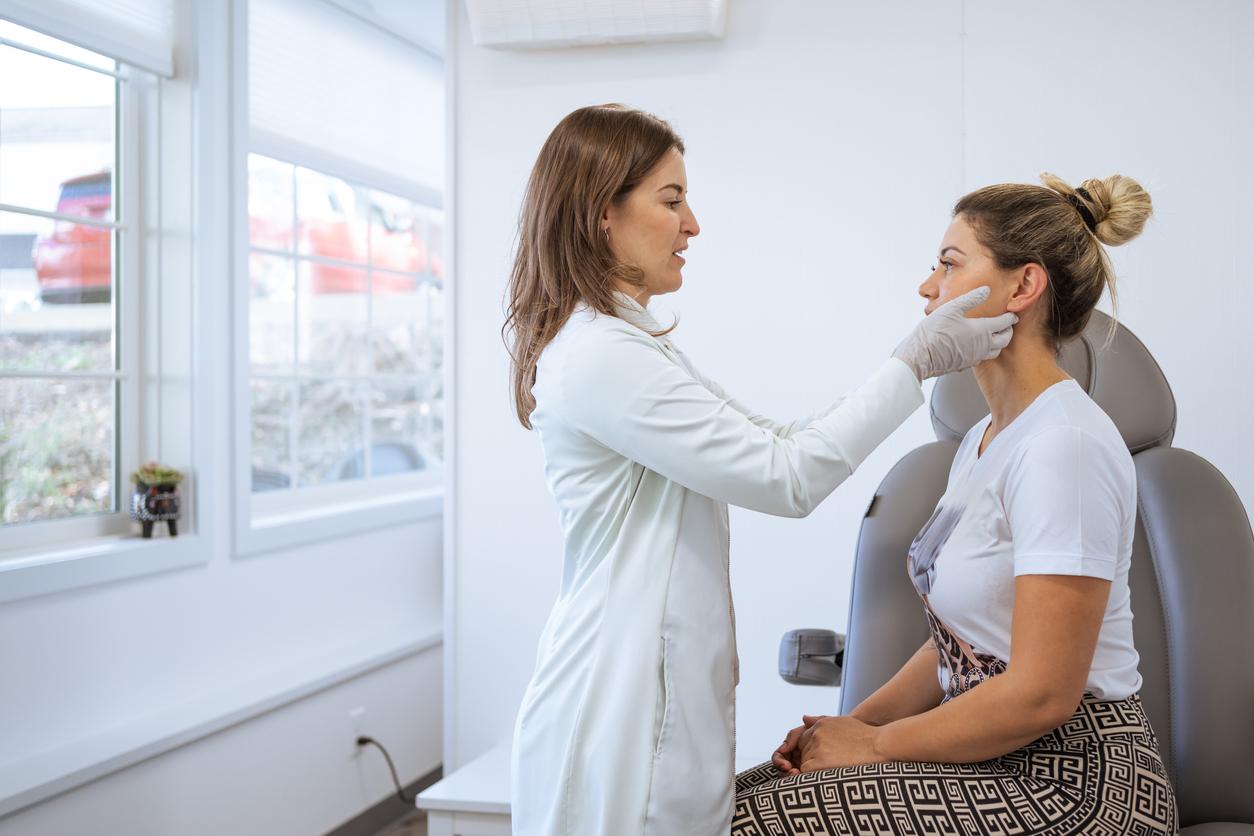
Many people seek professional help to maintain healthy, radiant skin, but it is important to understand the distinction between a Dermatologist and an esthetician. While both professionals focus on skin care, their training, scope of practice, and treatment capabilities differ significantly. Knowing these differences helps individuals choose the right expert for their skin concerns, whether it involves medical issues, cosmetic treatments, or routine maintenance.
Education and Training:
The educational paths of dermatologists and estheticians vary widely. Dermatologists are medical doctors who have completed:
-
A bachelor’s degree in a relevant field.
-
Four years of medical school to earn an MD or DO degree.
-
A residency in dermatology, typically lasting 3–4 years.
-
Board certification and ongoing continuing education.
-
Estheticians, in contrast, complete vocational training programs ranging from several months to a year and obtain a state license, focusing primarily on skincare techniques rather than medical treatments.
Scope of Practice:
The scope of practice defines what each professional can legally and safely perform. Dermatologists can:
-
Diagnose and treat skin diseases such as acne, eczema, psoriasis, and skin cancer.
-
Prescribe medications, including oral and topical treatments.
-
Perform medical procedures like biopsies, laser therapy, and minor surgeries.
-
Provide advanced cosmetic procedures such as Botox, fillers, and chemical peels.
-
Estheticians focus on non-invasive, cosmetic services such as facials, exfoliation, waxing, and superficial chemical peels.
Treatment of Skin Conditions:
When it comes to medical conditions, a dermatologist is essential. Dermatologists can:
-
Treat chronic or severe acne with prescription medications.
-
Manage skin infections caused by bacteria, viruses, or fungi.
-
Address autoimmune or inflammatory conditions like psoriasis or rosacea.
-
Detect early signs of skin cancer and perform necessary procedures.
-
Estheticians, while skilled at improving appearance, cannot diagnose or treat medical skin conditions and should refer clients to a dermatologist for such concerns.
Cosmetic and Aesthetic Procedures:
Both dermatologists and estheticians can perform cosmetic procedures, but the level of complexity differs. Dermatologists:
-
Perform advanced treatments like microneedling, laser resurfacing, and Botox injections.
-
Offer chemical peels of varying depths depending on the client’s skin needs.
-
Can combine aesthetic treatments with medical care for optimal results.
-
Estheticians typically perform surface-level treatments such as:
-
Gentle exfoliation and facials.
-
Light chemical peels or enzyme treatments.
-
Basic skin hydration and massage therapies.
-
Skin Analysis and Consultation:
Professional assessment of the skin helps determine appropriate treatment. Dermatologists:
-
Conduct thorough skin examinations, including mole checks and evaluation of skin texture.
-
Recommend personalized treatment plans based on medical history and skin type.
-
Order laboratory tests or biopsies if underlying conditions are suspected.
-
Estheticians focus on visual assessment to determine the best cosmetic treatment, often without medical testing.
-
Provide guidance on daily skincare routines, product selection, and lifestyle adjustments for cosmetic improvement.
Legal and Safety Considerations:
Understanding legal limitations ensures safe care. Dermatologists:
-
Are licensed physicians, allowing them to prescribe medications and perform surgeries.
-
Can address severe or high-risk conditions that require medical oversight.
-
Must adhere to medical ethical standards and maintain malpractice insurance.
-
Estheticians:
-
Are licensed to perform non-invasive cosmetic procedures only.
-
Cannot prescribe medication or treat medical skin conditions.
-
Work under regulations set by state licensing boards.
-
When to See Each Professional:
Knowing when to visit a dermatologist versus an esthetician can save time and improve outcomes. Recommendations include:
-
See a Dermatologist for:
-
Persistent or severe acne, rashes, or infections.
-
Moles or spots that change in size, color, or shape.
-
Chronic skin conditions such as eczema, psoriasis, or rosacea.
-
Cosmetic procedures that require medical supervision.
-
-
See an esthetician for:
-
Routine facials and exfoliation.
-
Skin hydration and maintenance.
-
Cosmetic treatments like light chemical peels or basic masks.
-
Guidance on over-the-counter skincare products.
-
Collaboration Between Professionals:
Dermatologists and estheticians can work together to achieve optimal skin health. Key points include:
-
Estheticians can perform maintenance treatments recommended by a dermatologist.
-
Dermatologists can oversee advanced aesthetic procedures while estheticians support ongoing skincare routines.
-
Combined approaches can enhance treatment results for acne, pigmentation, or anti-aging care.
-
Referral networks between dermatologists and estheticians improve client outcomes.
-
Clear communication ensures safe and effective care across cosmetic and medical needs.
Benefits of Professional Guidance:
Consulting the right professional ensures better results and safety. Dermatologists:
-
Provide evidence-based treatments for both medical and cosmetic concerns.
-
Detect underlying conditions early, preventing complications.
-
Offer personalized advice based on skin type, history, and lifestyle.
-
Monitor treatment progress and adjust care as needed.
-
Estheticians provide ongoing support for aesthetic maintenance, product recommendations, and minor treatments to complement medical care.
Final Thoughts:
Understanding the difference between a Dermatologist and an esthetician helps individuals make informed choices for their skin care. While dermatologists are trained to diagnose, treat, and manage medical and cosmetic conditions, estheticians specialize in cosmetic treatments and maintenance. Collaboration between the two can provide comprehensive skin care, combining medical expertise with aesthetic enhancement for optimal results and long-term skin health.

 English
 Arabic
 French
 Portuguese
 Deutsch
 Turkish
 Dutch
Dutch
 Italiano
 Russian
 Romaian
 Portuguese (Brazil)
 Greek
Greek