


How Turnkey Projects Enhance Efficiency Through Smart Space Planning and Design
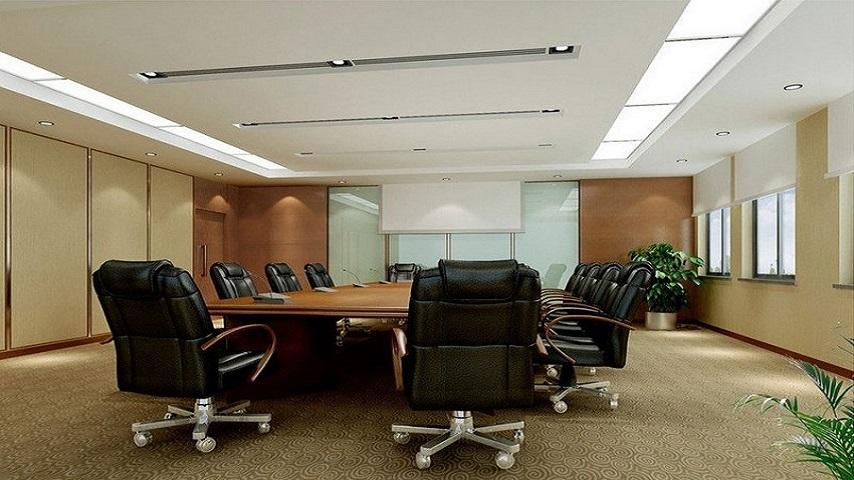
In today’s fast-paced commercial environment, efficiency is no longer optional—it is essential. Businesses demand workspaces that maximize productivity, support collaboration, adapt to change, and are delivered without delays or budget overruns. This is where turnkey projects, combined with smart space planning and design, play a vital role.
A turnkey approach brings together planning, design, execution, and delivery under one roof, ensuring that every square foot of space is used effectively. When smart space planning is integrated from the start, turnkey projects become powerful tools for enhancing operational efficiency and long-term value.
Understanding Turnkey Projects in Modern Workspaces
A turnkey project is a comprehensive solution where a single service provider takes complete responsibility—from concept development to final handover. The client receives a fully functional, ready-to-use space without having to manage multiple vendors or stages.
Turnkey office projects typically include:
- Space planning and interior design
- Civil, electrical, and HVAC execution
- Furniture and storage solutions
- Lighting, flooring, and ceiling systems
- Technology and utility integration
- Final testing and commissioning
This integrated approach sets the foundation for efficient space utilization.
The Role of Smart Space Planning in Efficiency
Smart space planning is the strategic organization of a workspace to support workflow, movement, collaboration, and comfort. Rather than focusing only on aesthetics, professionals analyze how people interact with the space on a daily basis.
Key objectives of smart space planning include:
- Reducing wasted or underutilized areas
- Improving movement and accessibility
- Supporting different work styles
- Enhancing comfort and productivity
When applied within a turnkey framework, smart space planning becomes far more effective.
Integrated Planning Eliminates Design Gaps
One of the biggest challenges in traditional projects is the disconnect between design and execution. Layouts may look good on paper but fail during implementation due to technical constraints or coordination issues.
Turnkey projects eliminate these gaps by:
- Aligning design decisions with execution feasibility
- Planning furniture, utilities, and circulation together
- Avoiding last-minute changes and rework
- Ensuring consistency from concept to completion
This integration leads to smoother execution and better spatial efficiency.
Optimized Layouts That Support Workflow
Efficiency begins with how people move and work within a space. Turnkey professionals design layouts that align with daily operations and team dynamics.
Smart layout strategies include:
- Logical zoning of workstations, meeting rooms, and support areas
- Clear circulation paths to reduce congestion
- Balanced placement of collaborative and focused workspaces
- Strategic positioning of storage and utilities
These thoughtful layouts minimize disruption and improve productivity across teams.
Better Utilization of Available Space
Limited floor area is a common challenge in commercial interiors. Turnkey projects address this by maximizing every usable square foot through intelligent design.
Efficiency-driven solutions include:
- Modular furniture systems
- Multi-functional spaces
- Compact storage solutions
- Flexible partitions
By combining design and execution expertise, turnkey projects prevent overcrowding while maintaining comfort and functionality.
Seamless Integration of Furniture and Infrastructure
Furniture and infrastructure play a major role in space efficiency. When planned separately, they often clash—leading to blocked pathways, exposed wiring, or underperforming work zones.
Turnkey projects integrate:
- Furniture dimensions with layout planning
- Electrical and data points with workstation placement
- Lighting aligned with work zones
- HVAC systems coordinated with space usage
This ensures a clean, organized, and highly functional workspace.
Technology-Enabled Smart Design
Modern offices depend on technology, and smart space planning ensures that digital infrastructure enhances rather than disrupts efficiency.
Turnkey design teams plan for:
- Concealed cabling and power management
- Smart lighting and energy-efficient systems
- AV-ready meeting and collaboration spaces
- Scalable infrastructure for future upgrades
Technology is embedded into the design, not added later—making the space more efficient and future-ready.
Faster Execution Means Faster Efficiency Gains
Efficiency is not only about design—it is also about time. Delays in office setup directly impact productivity and operational readiness.
Turnkey projects enhance efficiency by:
- Reducing coordination delays
- Running design and execution in parallel
- Maintaining clear timelines and milestones
- Delivering ready-to-use spaces faster
Businesses can start operations sooner and achieve quicker returns on investment.
Flexibility for Future Growth
Smart space planning within turnkey projects considers future needs. Businesses grow, teams evolve, and work styles change—and efficient spaces must adapt.
Future-ready design includes:
- Expandable layouts
- Modular furniture and partitions
- Multi-purpose areas
- Infrastructure designed for scalability
This flexibility reduces the need for major renovations and ensures long-term efficiency.
Reduced Operational Stress and Better Control
Managing multiple vendors often leads to inefficiencies, miscommunication, and increased workload for internal teams. Turnkey projects simplify management through centralized control.
Benefits include:
- Single-point accountability
- Clear communication channels
- Consistent quality standards
- Smooth handover and transition
With fewer complications, businesses can focus on performance rather than project management.
Conclusion
Turnkey projects significantly enhance efficiency by combining smart space planning, integrated design, and seamless execution. By aligning layout, furniture, infrastructure, and technology from the start, they eliminate waste, reduce delays, and create highly functional work environments.
Turnkey Laboratory Design: The Importance of Furniture Planning for Optimal Functionality
Designing for Efficiency: How Turnkey Projects Revolutionize Space Planning

 English
 Arabic
 French
 Spanish
 Deutsch
 Turkish
 Dutch
Dutch
 Italiano
 Russian
 Romaian
 Portuguese (Brazil)
 Greek
Greek