


Ureaplasma Test and Fertility: What’s the Connection?
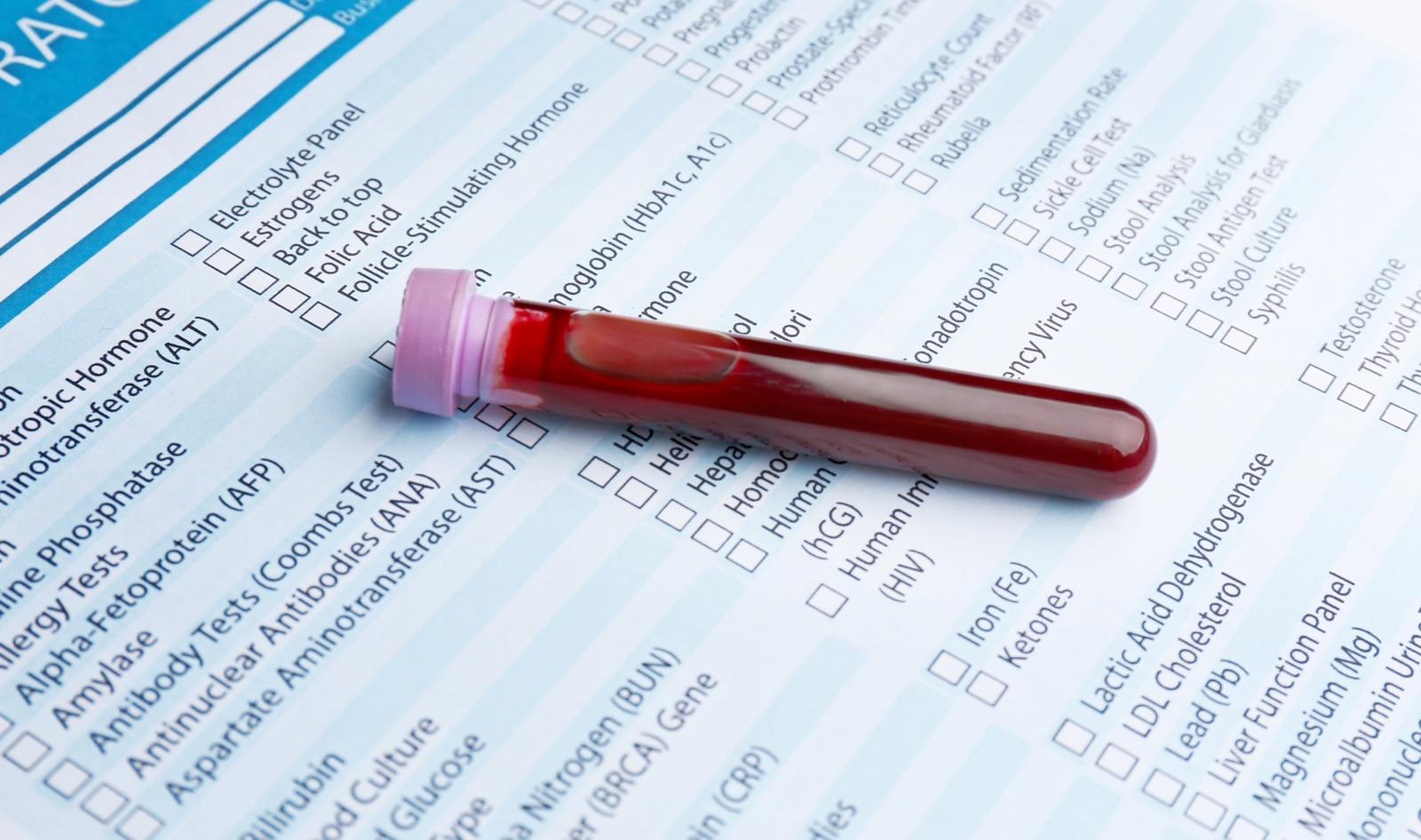
Ureaplasma is a type of bacteria that resides in the urogenital tract and can be present without causing noticeable symptoms. While many individuals remain asymptomatic, overgrowth or infection may impact urinary and reproductive health. In men and women experiencing infertility or recurrent reproductive issues, Ureaplasma Test in Dubai has been increasingly studied as a potential contributing factor. Understanding the connection between Ureaplasma and fertility helps couples make informed decisions about testing and treatment.
How Ureaplasma Affects Fertility?
In women, Ureaplasma infection can cause inflammation of the cervix, uterus, or fallopian tubes. Chronic pelvic inflammation may interfere with sperm transport, embryo implantation, or the overall uterine environment, potentially leading to difficulties conceiving or increased risk of miscarriage. Recurrent pelvic inflammatory disease associated with bacterial infection may also affect ovarian function and tubal patency, further impacting fertility.
In men, Ureaplasma can contribute to chronic urethritis, epididymitis, or prostatitis. These infections may reduce sperm motility, affect semen quality, and interfere with fertilization. Even when symptoms are mild or absent, hidden bacterial colonization can play a role in unexplained infertility.
When a Ureaplasma Test Is Recommended?
Healthcare providers often recommend a Ureaplasma test in cases of unexplained infertility, recurrent pregnancy loss, or repeated failure with assisted reproductive techniques such as IVF. Couples experiencing these challenges may undergo comprehensive screening to identify hidden infections that could be affecting conception. Testing both partners is often advised, as untreated infection in either partner may reduce the likelihood of successful pregnancy.
Patients with chronic pelvic discomfort, abnormal discharge, or persistent urinary symptoms may also benefit from Ureaplasma testing as part of a broader fertility evaluation. Early detection allows for timely treatment, reducing the risk of long-term reproductive complications.
Testing Methods for Fertility Assessment:
The most common methods for detecting Ureaplasma are PCR-based tests and bacterial cultures. PCR testing is highly sensitive and can detect bacterial DNA in urine samples, vaginal swabs, cervical swabs, or urethral swabs. Culture testing may be used when antibiotic susceptibility information is necessary to guide effective treatment.
For men, first-catch urine or urethral swabs are typically collected, while women provide vaginal or cervical samples. Accurate sample collection is critical for reliable results, especially when testing is performed to evaluate fertility issues.
Treatment and Fertility Outcomes:
If a Ureaplasma infection is detected, targeted antibiotics such as macrolides or tetracyclines are prescribed. Successful treatment can reduce inflammation, improve sperm quality in men, and restore a healthier reproductive tract environment in women. Retesting after treatment ensures that the infection has been cleared before attempting conception or proceeding with assisted reproductive procedures.
Couples who address Ureaplasma infection as part of fertility care often see improved outcomes, as bacterial eradication removes a potential barrier to successful conception. Coordinated treatment and follow-up testing for both partners are key strategies to prevent reinfection and maximize reproductive success.
The Importance of Early Detection:
Even in asymptomatic individuals, Ureaplasma may silently impact fertility. Early testing during fertility evaluation helps identify infections that might otherwise go unnoticed, allowing clinicians to provide timely treatment and support reproductive goals. Couples planning conception or undergoing fertility treatments should discuss the potential benefits of Ureaplasma testing with their healthcare provider.
Key Takeaways:
Ureaplasma Test can influence both male and female fertility through chronic inflammation, reduced sperm quality, or disruption of the reproductive tract environment. Testing is recommended for couples experiencing unexplained infertility, recurrent pregnancy loss, or persistent reproductive symptoms. PCR-based diagnostics and cultures enable accurate detection, guiding targeted treatment.
Addressing Ureaplasma infection as part of fertility care helps restore reproductive health, reduce the risk of reinfection, and increase the likelihood of successful conception. Early detection, timely treatment, and coordinated care for both partners are essential for optimizing fertility outcomes and supporting long-term reproductive well-being.

 English
 French
 Spanish
 Portuguese
 Deutsch
 Turkish
 Dutch
Dutch
 Italiano
 Russian
 Romaian
 Portuguese (Brazil)
 Greek
Greek