


The Role of Self-Referencing Canonicals in SEO Stability
Explore The Role of Self-Referencing Canonicals in SEO Stability
Search engine optimization is not only about keywords, content, and backlinks. Technical clarity plays an equally important role in long-term SEO success. One often overlooked yet critical element of technical SEO is the self-referencing canonical tag. While canonical tags are commonly discussed in the context of duplicate content, self-referencing canonicals serve a deeper purpose. They provide consistency, protect ranking signals, and help maintain SEO stability over time.
This blog explains what self-referencing canonical tags are, why they matter, how they contribute to SEO stability, and how to implement them correctly. The goal is to make this topic easy to understand and practically useful for website owners, SEO professionals, and content teams.
Understanding Canonical Tags in Simple Terms
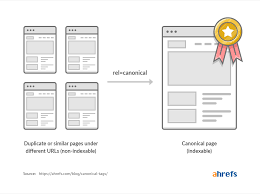
A canonical tag is an HTML element placed in the head section of a webpage. It tells search engines which version of a page should be treated as the primary or preferred version. When multiple URLs show the same or very similar content, canonical tags help consolidate ranking signals to one URL.
Search engines like Google crawl many versions of the same page due to parameters, tracking codes, sorting options, or alternate paths. Without guidance, they may split authority across multiple URLs or rank the wrong one. Canonical tags solve this issue by creating a clear reference point.
What Is a Self-Referencing Canonical?
A self-referencing canonical is a canonical tag that points to the same URL it is placed on. In simple words, the page declares itself as the preferred version.
For example, if a page URL is
https://example.com/product-page
The self-referencing canonical tag would also point to
https://example.com/product-page
At first glance, this may seem unnecessary. However, self-referencing canonicals play a crucial role in SEO stability by preventing confusion and protecting the page from unintended duplication.
Why Self-Referencing Canonicals Matter for SEO Stability
SEO stability means maintaining consistent rankings, traffic, and indexation over time, even as websites evolve. Self-referencing canonicals act as a safeguard that reinforces clarity for search engines.
Websites are dynamic. URLs can change due to marketing campaigns, tracking parameters, pagination, or CMS updates. Even when content remains the same, URL variations can appear. A self-referencing canonical ensures that no matter how the page is accessed, search engines know which version is authoritative.
This reduces the risk of ranking fluctuations caused by duplicate URLs competing with each other.
Preventing Unintentional Duplicate Content
Duplicate content is not always intentional. It often appears due to technical reasons such as session IDs, UTM parameters, or trailing slash variations. Without a self-referencing canonical, search engines may treat these URLs as separate pages.
By using self-referencing canonicals, you proactively signal that all variations of the URL should be consolidated under the main version. This prevents dilution of link equity and avoids index bloat.
Over time, this consistency helps search engines trust your site structure and reduces the chances of sudden ranking drops.
Strengthening Signal Consolidation
Search engines use many signals to rank pages, including backlinks, internal links, engagement metrics, and relevance. When multiple URLs exist without canonical guidance, these signals can be split.
A self-referencing canonical ensures that all signals point back to the same URL. Even if external websites link to different URL variations, the canonical tag helps consolidate authority.
This consolidation improves ranking stability and ensures that your strongest pages remain competitive in search results.
Supporting Algorithm Updates and Crawling Changes
Search engine algorithms evolve constantly. What works today may behave differently tomorrow due to updates in crawling or indexing logic.
Self-referencing canonicals provide a stable reference point that helps search engines interpret your site correctly, even during algorithm changes. They reduce ambiguity and help maintain consistency in how pages are indexed.
Websites without clear canonical signals are more vulnerable to volatility when search engines adjust how they handle duplicates.
Role of Self-Referencing Canonicals in Large Websites
Large websites, especially e-commerce platforms and content-heavy portals, face higher risks of duplication. Filters, internal search results, pagination, and category paths can generate thousands of URLs.
In such environments, self-referencing canonicals act as a foundational layer of technical SEO. They help search engines prioritize important URLs and avoid wasting crawl budget on unnecessary variations.
This improves overall crawl efficiency and ensures that high-value pages receive proper attention from search engines.
Self-Referencing Canonicals and Content Updates
Content updates are common, whether it is refreshing blog posts, updating product information, or improving landing pages. During these updates, URLs sometimes change or new parameters are added.
A self-referencing canonical ensures that even during content changes, the preferred URL remains consistent. This protects existing rankings and prevents temporary indexing issues.
It also helps search engines understand that the page is an updated version of the same resource, not a new competing one.
Relationship Between Self-Referencing Canonicals and Internal Linking
Internal links are another strong SEO signal. However, inconsistent internal linking can create confusion if links point to different URL variations.
Self-referencing canonicals help neutralize minor internal linking inconsistencies by reinforcing the preferred URL. While best practice is to link consistently, canonicals act as a safety net.
Together, clean internal linking and self-referencing canonicals create a strong structural foundation for SEO stability.
Canonical Tags vs Noindex for Stability
Some websites use the noindex directive to manage duplicate content. While noindex removes pages from search results, it is not always ideal for long-term stability.
Self-referencing canonicals allow pages to exist for users while consolidating SEO value. They provide flexibility without sacrificing authority.
For pages that should remain accessible and useful, self-referencing canonicals are often a more stable solution than aggressive noindex usage.
Common Mistakes With Self-Referencing Canonicals
One common mistake is not using self-referencing canonicals at all. Many websites only add canonicals when duplication is obvious, leaving primary pages unprotected.
Another mistake is pointing self-referencing canonicals to URLs that redirect or are non-indexable. Canonical URLs should always be clean, indexable, and consistent.
Using relative URLs instead of absolute URLs can also cause misinterpretation. Absolute URLs are safer and clearer for search engines.
How to Properly Implement Self-Referencing Canonicals
Implementation should be simple and consistent. Every indexable page should include a canonical tag pointing to itself, unless there is a strong reason to canonicalize to another page.
The canonical tag should be placed in the head section of the HTML. The URL should match the preferred version exactly, including protocol and trailing slash preference.
After implementation, testing should be done using SEO tools and search engine consoles to confirm correct behavior.
Monitoring and Maintaining Canonical Health
SEO stability requires ongoing monitoring. Changes in CMS settings, plugins, or templates can unintentionally alter canonical behavior.
Regular technical audits help identify missing, duplicated, or conflicting canonical tags. Monitoring indexed URLs also reveals whether search engines are respecting canonical signals.
Maintenance ensures that self-referencing canonicals continue to support long-term SEO performance rather than becoming outdated or ineffective.
Self-Referencing Canonicals and Long-Term SEO Strategy
Self-referencing canonicals are not a one-time fix. They are part of a broader technical SEO strategy focused on clarity, consistency, and trust.
When combined with strong content, logical site architecture, and ethical link-building, they contribute to predictable and stable SEO growth.
Many organizations rely on experienced professionals or Best Digital Marketing Agency to audit and refine canonical strategies, especially for large or complex websites. Expert guidance often prevents small technical issues from becoming major SEO problems.
Conclusion
Self-referencing canonicals play a quiet but powerful role in SEO stability. They protect pages from unintentional duplication, consolidate ranking signals, and help search engines interpret site structure correctly.
While they may seem redundant at first, their long-term value lies in consistency and protection. In a constantly evolving digital environment, small technical safeguards can make a significant difference.
By implementing self-referencing canonicals correctly and monitoring them regularly, websites can achieve more stable rankings, improved crawl efficiency, and stronger long-term SEO performance.
Frequently Asked Questions
What is the main purpose of a self-referencing canonical tag?
A self-referencing canonical tag tells search engines that the current page is the preferred version of itself. This helps prevent confusion caused by URL variations and ensures that ranking signals are consolidated to one authoritative URL.
Are self-referencing canonicals required on every page?
While not mandatory, they are strongly recommended for all indexable pages. They provide consistency and protect pages from accidental duplication caused by tracking parameters, filters, or CMS-generated URLs.
Can self-referencing canonicals improve rankings?
They do not directly boost rankings, but they help maintain ranking stability. By consolidating signals and reducing duplication, they indirectly support stronger and more consistent search visibility.
Do self-referencing canonicals prevent crawling of duplicate URLs?
No, they do not stop crawling. They guide search engines on which URL should be treated as authoritative for indexing and ranking, while other variations may still be crawled.
How often should self-referencing canonicals be reviewed?
They should be reviewed during regular technical SEO audits or after major site changes. Quarterly reviews are recommended to ensure canonicals remain accurate and aligned with current URL structures.
Can self-referencing canonicals help during website migrations?
Yes, self-referencing canonicals help maintain clarity during website migrations. They reinforce the preferred URL structure and reduce the risk of duplicate indexing when URLs, templates, or internal links change. This helps preserve ranking signals during transitions.
Are self-referencing canonicals useful for small websites?
Yes, even small websites benefit from self-referencing canonicals. They prevent accidental duplication caused by tracking parameters or CMS behavior and provide long-term SEO stability without requiring complex technical changes.
Do self-referencing canonicals affect page speed or performance?
No, canonical tags are lightweight HTML elements and do not affect page speed or loading performance. They are processed by search engines and have no negative impact on user experience.
Can search engines ignore self-referencing canonical tags?
Search engines may ignore canonical tags if they conflict with other signals, such as redirects, internal links, or noindex directives. Consistent implementation across the site increases the likelihood that search engines respect them.
Should self-referencing canonicals be used on paginated pages?
Yes, paginated pages usually benefit from self-referencing canonicals. This allows search engines to index deeper pages properly and ensures that products or content beyond the first page remain discoverable.

 English
 Arabic
 French
 Spanish
 Portuguese
 Deutsch
 Turkish
 Dutch
Dutch
 Italiano
 Russian
 Romaian
 Greek
Greek