


Understanding Dyed Wool Yarn: Types, Benefits, and Uses in Modern Crafting
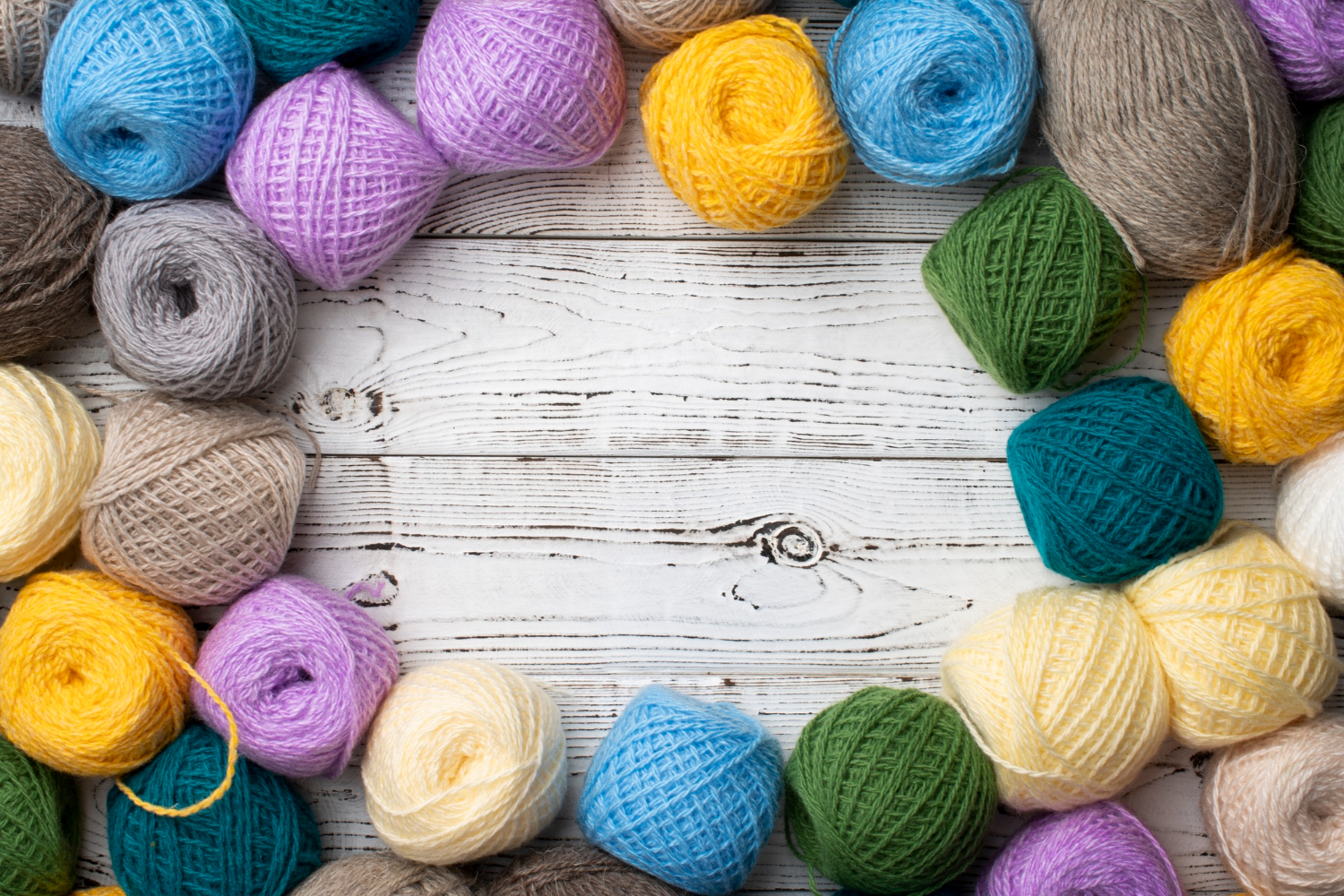
Dyed wool yarn has remained a staple in the textile and crafting world for generations due to its versatility, warmth, and visual appeal. From knitting and crocheting to weaving and embroidery, this material continues to play an important role in both traditional and modern fiber arts. The process of dyeing wool yarn adds depth, texture, and individuality to finished projects, making it highly valued among hobbyists and textile enthusiasts in the United States.
What Is Dyed Wool Yarn?
Dyed wool yarn refers to wool fibers that have been colored using natural or synthetic dyes before being transformed into yarn. Wool itself is obtained primarily from sheep, though fibers from alpacas, goats, and other animals may also be blended into yarn products. The dyeing process enhances the appearance of the yarn while preserving the natural insulating and moisture-wicking qualities of wool.
The color can be applied at different stages of production. Some wool is dyed before spinning, while other yarns are colored after they have already been spun into strands. This variation often affects the texture, pattern consistency, and overall appearance of the yarn.
Popular Types of Dyed Wool Yarn
Different dyeing methods produce unique visual effects in dyed wool yarn. Understanding these variations helps crafters choose the most suitable yarn for their projects.
Solid Dyed Wool Yarn
Solid dyed wool yarn features one consistent color throughout the strand. This type is often used for garments, blankets, and accessories where a clean and uniform appearance is preferred. Solid shades can highlight intricate stitch patterns and textured designs.
Variegated Dyed Wool Yarn
Variegated yarn contains multiple colors within a single skein. The colors may transition gradually or change abruptly, creating visually dynamic patterns during knitting or crocheting. This style is commonly chosen for scarves, hats, and artistic textile pieces.
Hand-Dyed Wool Yarn
Hand-dyed wool yarn is colored in smaller batches, resulting in distinctive color variations. Because each batch may differ slightly, many crafters appreciate its uniqueness and artisanal appearance. Hand-dyed options are frequently associated with custom and one-of-a-kind projects.
Heathered Wool Yarn
Heathered dyed wool yarn combines fibers of different shades before spinning. The result is a soft, blended appearance with subtle tonal depth. Heathered yarn is often used in sweaters and winter apparel because of its classic and textured look.
Benefits of Dyed Wool Yarn
Dyed wool yarn offers several advantages that contribute to its lasting popularity in the crafting and textile industries.
Natural Warmth and Insulation
Wool fibers naturally trap air, creating insulation that helps regulate temperature. Dyed wool yarn retains these properties, making it suitable for cold-weather clothing and home décor items such as blankets and rugs.
Moisture-Wicking Properties
One of the key features of wool is its ability to absorb moisture while still feeling relatively dry. This characteristic allows dyed wool yarn to remain comfortable in varying climates and conditions.
Durability
Wool fibers are known for their resilience and elasticity. Projects made with dyed wool yarn often maintain their shape over time, especially when cared for properly. This durability makes wool a practical choice for long-lasting handmade items.
Wide Color Selection
The dyeing process creates an extensive range of shades and color combinations. From muted earth tones to vibrant jewel hues, dyed wool yarn provides countless creative possibilities for textile artists and crafters.
Common Uses of Dyed Wool Yarn
Dyed wool yarn is used across a variety of crafts and industries due to its flexibility and aesthetic appeal.
Knitting and Crocheting
Knitting and crocheting are among the most common applications for dyed wool yarn. Sweaters, mittens, socks, shawls, and hats are frequently created using wool because of its softness and warmth.
Weaving
Weavers often use dyed wool yarn to create tapestries, wall hangings, and woven fabrics. The rich colors and textures contribute to visually striking textile art.
Needle Felting
Needle felting involves compressing wool fibers into shapes or decorative pieces. Dyed wool yarn and wool roving are commonly used for creating ornaments, figurines, and artistic designs.
Home Décor Projects
Dyed wool yarn is widely incorporated into home décor items such as cushions, blankets, rugs, and decorative baskets. Its texture and color variety help add warmth and character to interior spaces.
Factors to Consider When Choosing Dyed Wool Yarn
Selecting the right dyed wool yarn depends on the intended project and personal preferences.
Fiber Content
Some yarns contain 100% wool, while others blend wool with synthetic or natural fibers. Blended yarns may offer increased softness, stretch, or durability.
Yarn Weight
Yarn weight affects the thickness and texture of a finished project. Lightweight yarns are often suitable for delicate garments, while heavier yarns work well for winter accessories and blankets.
Dye Consistency
Batch variations can occur, especially in hand-dyed wool yarn. Many crafters check dye lot numbers to ensure consistency when purchasing multiple skeins for a large project.
Care Requirements
Certain dyed wool yarns require hand washing, while others may be machine washable. Understanding maintenance instructions helps preserve the appearance and lifespan of wool items.
The Growing Interest in Sustainable Fibers
In recent years, interest in sustainable and natural materials has increased across the United States. Dyed wool yarn is often associated with environmentally conscious crafting because wool is biodegradable and renewable. Many textile enthusiasts are exploring natural dyeing methods using plant-based ingredients to reduce environmental impact further.
This growing appreciation for sustainable fiber arts has contributed to renewed interest in traditional crafting techniques, including knitting, weaving, and hand spinning.
Conclusion
Dyed wool yarn continues to hold an important place in the world of textiles and crafting because of its durability, warmth, and creative versatility. Whether used for garments, home décor, or artistic projects, its broad range of colors and textures allows for endless design possibilities. As interest in handmade and sustainable crafts continues to grow in the United States, dyed wool yarn remains a valued material for both beginners and experienced fiber artists alike.

 English
 Arabic
 French
 Spanish
 Portuguese
 Deutsch
 Dutch
Dutch
 Italiano
 Russian
 Romaian
 Portuguese (Brazil)
 Greek
Greek