


How Snowstorms Can Damage Siding and When to Call Siding Experts
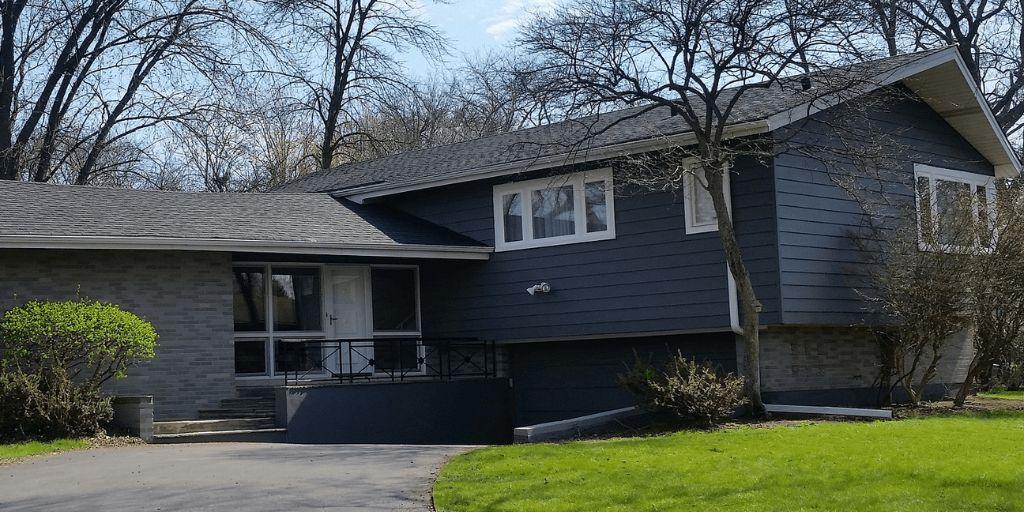
Snowstorms don’t just pile up snow against your home. They create a combination of stressors that can weaken siding materials over time. Knowing what to look for and when to rely on professional siding repair services is important for ensuring that any damage is taken care of the right way.
How Snow Impacts Siding
Heavy, wet snow can press against lower sections of siding, especially near ground level. When snow melts during the day and refreezes at night, water can seep into small gaps, cracks, or seams and then expand as it freezes. This freeze–thaw cycle can gradually widen those openings, loosen panels, or warp certain materials.
Wind-driven snow and ice can also force moisture behind siding, particularly around seams, corners, windows, and doors. In severe storms, flying debris such as ice chunks, branches, or windblown objects can cause impact damage that may go unnoticed beneath layers of snow or grime.
Finally, snow buildup on roofs can contribute to ice dams. When ice dams form, melting water can back up under the roofline and travel downward behind siding, creating hidden moisture problems that may only reveal themselves weeks or months later.
When and How to Inspect Your Siding After a Snowstorm
The best time to inspect your siding is once snow and ice have melted enough to safely see the exterior of your home. Choose a dry day with good lighting so subtle issues are easier to spot.
Start with a slow walk around your home. View the siding from multiple angles and distances. Sometimes damage is more visible when viewed at an angle rather than straight on. Pay special attention to areas that were exposed to heavy snowdrifts, strong winds, or roof runoff.
It’s also helpful to look at your siding both up close and from farther away. Close inspection reveals small cracks or gaps, while stepping back helps identify warping, bulging, or sections that no longer sit flush against the house.
Signs of Snow-Related Siding Damage to Watch For
Cracks, splits, or fractures: Freezing temperatures and expanding ice can cause cracks in vinyl, wood, or fiber cement siding. Even hairline cracks matter, as they allow moisture to penetrate behind the siding. Over time, these small openings can lead to rot, mold, or insulation damage.
Warped, buckled, or loose panels: If siding panels appear bowed, rippled, or no longer lie flat, snow load or ice expansion may be to blame. Warping can also indicate that moisture has entered behind the siding and affected the structure beneath. Loose panels are especially concerning because they make it easier for wind and water to get inside.
Gaps at seams and edges: Check where siding panels meet, as well as around windows, doors, corners, and trim. Freeze–thaw cycles can cause materials to contract and expand, pulling seams apart. Even small gaps can become entry points for water during future storms.
Soft or spongy areas: Gently press on wood siding in a few places, especially near the bottom or around joints. Softness can indicate rot caused by prolonged moisture exposure. This type of damage usually worsens over time if not addressed.
When You Should Call a Siding Professional
There are clear situations where professional help is the safest and smartest choice.
If you find cracked, broken, or missing siding panels, a professional should evaluate the damage. These issues often expose the underlying structure and can quickly lead to water damage if not repaired properly.
Loose or warped siding that does not sit flush against the home is another strong indicator. A siding professional can determine whether the problem is limited to the panels themselves or if moisture has affected the sheathing or framing underneath.
Persistent moisture signs, such as recurring stains, mold growth, or interior wall damage, should always prompt a professional inspection. These symptoms suggest that water is already behind the siding, and surface repairs alone may not be sufficient.
If you experienced significant ice dams, heavy drifting snow, or high winds during the storm, it’s wise to have your siding assessed even if damage isn’t obvious. Professionals like Roof Masters & Exteriors know where to look for hidden issues that homeowners often miss. If you’re in the Indianapolis area, they’re the ones to contact if you are concerned about your siding.
For more information about Roofing Carmel and Roofing Contractor Mccordsville Please Visit : Roof Masters and Exteriors.

 Arabic
 French
 Spanish
 Portuguese
 Deutsch
 Turkish
 Dutch
Dutch
 Italiano
 Russian
 Romaian
 Portuguese (Brazil)
 Greek
Greek