


Lattice Retinal Degeneration: Symptoms and Treatment
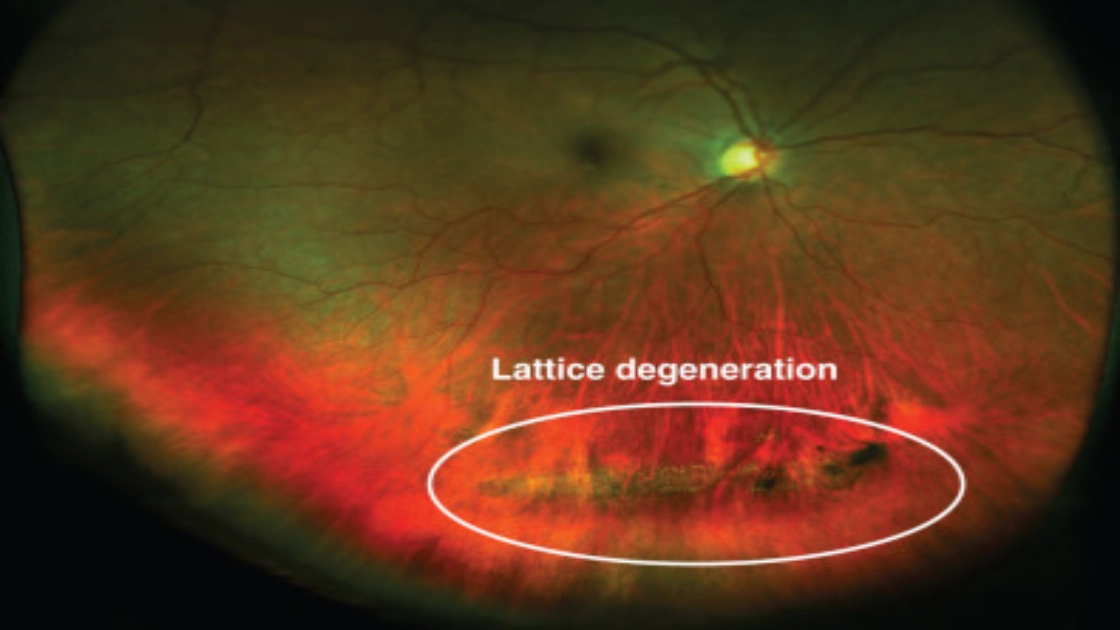
Healthy vision depends on a strong and stable retina. The retina is the light-sensitive layer at the back of the eye that helps send visual signals to the brain. When the retina becomes weak or damaged, it can affect vision and may even lead to serious eye problems if left untreated.
Many retinal conditions develop slowly and may not show symptoms in the early stages. One such condition is Lattice Retinal Degeneration, which affects the peripheral area of the retina and can increase the risk of retinal tears or retinal detachment.
Understanding this condition, its warning signs, causes, and treatment options can help protect long-term eye health. Early diagnosis and proper monitoring are very important to reduce complications and preserve vision.
What Is Lattice Retinal Degeneration?
Lattice Retinal Degeneration is a condition where the peripheral retina becomes thin and weak in certain areas. These weakened areas may develop a lattice-like or crisscross pattern, which is how the condition gets its name.
This condition usually affects both eyes and is commonly found during a detailed retinal examination. Many people may have it without knowing because it often does not cause symptoms in the beginning.
Although it is not always dangerous, the weak areas in the retina can sometimes develop small tears or holes. If fluid passes through these tears, the retina may detach from the back of the eye. Retinal detachment is a serious condition that needs immediate medical attention.
How Common Is Lattice Retinal Degeneration?
Lattice Retinal Degeneration is relatively common. It is estimated to affect around 6% to 10% of the general population. Most people with the condition never develop major complications, but some may experience retinal tears or detachment later in life.
The condition is more common in people who are nearsighted, also known as myopic. It may also run in families.
Causes of Lattice Retinal Degeneration
The exact cause of Lattice Retinal Degeneration is not always clear. However, several factors are linked to the condition.
Genetic Factors
Some people inherit a tendency to develop retinal thinning. If family members have retinal problems, the risk may be higher.
Nearsightedness
People with moderate or high myopia often have longer eyeballs. This stretching may cause thinning in the retina over time.
Aging Changes
As people grow older, changes inside the eye can place stress on the retina and contribute to retinal weakness.
Vitreous Changes
The vitreous is the gel-like substance inside the eye. As it shrinks or pulls away from the retina, it may create traction on already thin retinal areas.
Symptoms of Lattice Retinal Degeneration
In many cases, Lattice Retinal Degeneration does not cause symptoms. It is often discovered during a routine eye examination. However, when symptoms appear, they may indicate retinal tears or retinal detachment.
Floaters
Floaters are tiny spots, threads, or cobweb-like shapes that move across the vision. A sudden increase in floaters may be a warning sign.
Flashes of Light
Some people notice flashes or flickering lights, especially in side vision. This can happen when the retina is being pulled or irritated.
Blurred Vision
Blurred or distorted vision may occur if retinal complications develop.
Shadow or Curtain in Vision
A dark shadow or curtain moving across the field of vision can be a sign of retinal detachment. This requires urgent medical care.
Reduced Side Vision
Loss of peripheral vision may also happen in advanced retinal problems.
Risk Factors for Lattice Retinal Degeneration
Certain factors can increase the chances of developing this retinal condition.
High Myopia
People with strong nearsightedness are at greater risk.
Family History
A family history of retinal degeneration or retinal detachment increases the possibility.
Previous Eye Surgery
Some eye surgeries may increase stress on the retina.
Eye Injury
Trauma or injury to the eye can weaken retinal tissues.
Retinal Detachment in the Other Eye
If one eye has already experienced retinal detachment, the other eye may also be at higher risk.
How Is Lattice Retinal Degeneration Diagnosed?
A complete eye examination is needed to diagnose the condition properly.
Dilated Eye Exam
Eye drops are used to widen the pupils. This allows the doctor to examine the retina carefully.
Retinal Imaging
Special imaging tests may be used to capture detailed pictures of the retina.
Indirect Ophthalmoscopy
This technique helps examine the peripheral retina where lattice degeneration commonly occurs.
Optical Coherence Tomography (OCT)
OCT may sometimes help evaluate retinal structures in more detail.
Regular eye examinations are important, especially for people with myopia or a family history of retinal disease.
Complications of Lattice Retinal Degeneration
Most people with the condition never develop serious problems. However, some complications can occur.
Retinal Tears
Thin retinal areas may develop small tears due to traction from the vitreous gel.
Retinal Holes
Small openings can form in weakened retinal tissue.
Retinal Detachment
This is the most serious complication. The retina separates from the back wall of the eye, affecting vision. Without treatment, permanent vision loss may occur.
When to See an Eye Specialist
Immediate medical attention is needed if any sudden retinal symptoms appear.
Seek medical care if you notice:
- Sudden increase in floaters
- Flashes of light
- Dark curtain in vision
- Sudden blurred vision
- Loss of side vision
Early treatment can help prevent serious complications.
Treatment Options for Lattice Retinal Degeneration
Not everyone with Lattice Retinal Degeneration needs treatment. Many people only require regular monitoring. Treatment depends on the condition of the retina and the presence of tears or high-risk features.
Observation and Monitoring
If there are no retinal tears or symptoms, regular eye exams may be enough. The retina is monitored for changes over time.
Laser Photocoagulation
Laser treatment is commonly used if retinal tears or weak areas are found.
In this procedure, laser burns are applied around the weak retinal area. The laser creates scar tissue that helps seal the retina and prevent detachment.
Benefits of Laser Treatment
- Helps reduce the risk of retinal detachment
- Quick outpatient procedure
- Usually painless
- No major incisions required
Recovery After Laser Treatment
Most people return to normal activities within a short time. Mild discomfort or blurry vision may occur temporarily.
Cryotherapy
Cryotherapy uses extreme cold to seal retinal tears. It may be used in certain cases where laser treatment is not suitable.
Surgery for Retinal Detachment
If retinal detachment develops, surgery is usually needed immediately.
Common surgical procedures include:
Vitrectomy
The vitreous gel is removed and replaced to reduce retinal traction.
Scleral Buckling
A flexible band is placed around the eye to support the retina.
Pneumatic Retinopexy
A gas bubble is injected into the eye to push the retina back into place.
The choice of surgery depends on the severity and location of the detachment.
Can Lattice Retinal Degeneration Be Prevented?
There is no guaranteed way to prevent the condition completely. However, early detection and regular eye care can reduce the risk of serious complications.
Have Regular Eye Exams
Routine retinal examinations are important, especially for high-risk individuals.
Protect the Eyes
Use protective eyewear during sports or activities that may cause eye injury.
Monitor Vision Changes
Pay attention to new floaters, flashes, or vision changes.
Manage Myopia
People with severe nearsightedness should have regular retinal checkups.
Living With Lattice Retinal Degeneration
Many people with Lattice Retinal Degeneration live normal lives without major vision problems. The key is regular monitoring and early treatment if complications develop.
Patients should:
- Attend scheduled eye exams
- Report sudden visual changes immediately
- Follow treatment recommendations carefully
- Avoid delaying care for retinal symptoms
With proper management, the risk of severe vision loss can often be reduced.
Myths About Lattice Retinal Degeneration
Myth 1: Everyone With the Condition Will Lose Vision
This is not true. Many people never develop serious retinal problems.
Myth 2: It Always Causes Symptoms
The condition may remain symptom-free for years.
Myth 3: Surgery Is Always Needed
Most patients only need monitoring unless complications appear.
Myth 4: It Only Affects Older Adults
The condition can occur in younger people, especially those with myopia.
Importance of Early Diagnosis
Early diagnosis is one of the most important parts of retinal care. Since symptoms may not appear early, regular eye examinations can help detect retinal thinning before complications develop.
Timely laser treatment for retinal tears may prevent retinal detachment and help preserve vision.
Frequently Asked Questions
Is Lattice Retinal Degeneration Serious?
It can become serious if retinal tears or detachment occur. However, many cases remain stable with regular monitoring.
Does It Cause Blindness?
Most people do not lose vision. Blindness usually occurs only if severe retinal detachment is left untreated.
Is Laser Treatment Painful?
Laser treatment is generally well tolerated and causes little discomfort.
Can Both Eyes Be Affected?
Yes, the condition often affects both eyes.
How Often Should Eye Exams Be Done?
The frequency depends on individual risk factors and retinal findings. Regular follow-up is important.
Conclusion
Lattice Retinal Degeneration is a retinal condition that causes thinning and weakness in certain areas of the retina. Although many people may not experience symptoms, the condition can increase the risk of retinal tears and retinal detachment.
Recognizing warning signs such as floaters, flashes, or sudden vision changes is very important. Regular retinal examinations and timely treatment can help protect vision and reduce complications.
Proper diagnosis, monitoring, and treatment planning by an experienced eye specialist are essential for long-term retinal health. For expert guidance and advanced retinal care, consult Dr. Mandeep Lamba for detailed evaluation and personalized treatment options.

 English
 Arabic
 French
 Spanish
 Deutsch
 Turkish
 Dutch
Dutch
 Italiano
 Russian
 Romaian
 Portuguese (Brazil)
 Greek
Greek