


A Guide to Modern Fibroid Treatment Approaches
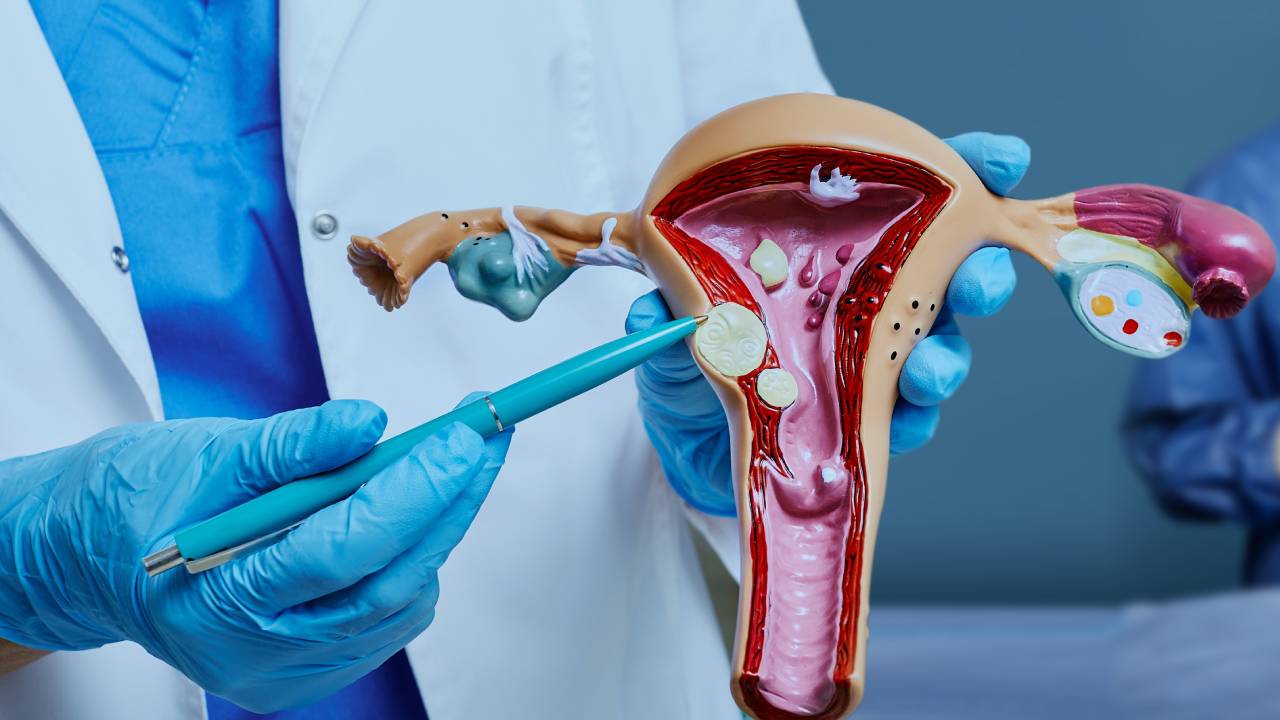
Many women experience changes in their menstrual health at different stages of life. Some may notice heavy bleeding, pelvic discomfort, bloating, or pressure in the lower abdomen. In many cases, these symptoms may be linked to uterine fibroids.
Today, fibroid treatment has become more advanced, safer, and more personalized than ever before. Modern medical approaches now focus not only on removing fibroids but also on protecting fertility, reducing recovery time, and improving long-term quality of life.
Understanding fibroids and the treatment choices available can help women make informed healthcare decisions. This guide explains the causes, symptoms, diagnosis methods, and modern treatment approaches for fibroids in simple and easy language.
What Are Fibroids?
Fibroids are non-cancerous growths that develop in or around the uterus. They are also called uterine fibroids or leiomyomas. Fibroids can vary in size. Some are very small and may not cause symptoms, while others can grow larger and affect daily life.
A woman may have one fibroid or multiple fibroids at the same time. These growths are very common, especially during the reproductive years.
Fibroids are usually classified based on where they grow:
- Intramural fibroids – grow inside the muscular wall of the uterus
- Subserosal fibroids – grow on the outer surface of the uterus
- Submucosal fibroids – grow inside the uterine cavity
- Pedunculated fibroids – attached to the uterus by a thin stalk
Common Symptoms of Fibroids
Some women may not notice any symptoms. Others may experience mild to severe discomfort depending on the size and location of the fibroids.
Common symptoms include:
- Heavy menstrual bleeding
- Long or painful periods
- Pelvic pain or pressure
- Frequent urination
- Constipation
- Lower back pain
- Bloating in the lower abdomen
- Pain during intercourse
- Difficulty getting pregnant in some cases
Women with severe bleeding may also develop anemia, which can lead to tiredness and weakness.
What Causes Fibroids?
The exact cause of fibroids is not fully understood. However, several factors may increase the risk of developing them.
Hormonal Changes
Estrogen and progesterone are hormones that help regulate the menstrual cycle. These hormones may also encourage fibroid growth.
Family History
Women with a family history of fibroids may have a higher chance of developing them.
Age
Fibroids are more common during the reproductive years, especially between the ages of 30 and 50.
Lifestyle Factors
Obesity, lack of exercise, high stress levels, and certain dietary habits may also contribute to fibroid development.
How Fibroids Are Diagnosed
A doctor may suspect fibroids based on symptoms and pelvic examination. Several imaging tests can help confirm the diagnosis.
Ultrasound
This is one of the most common and simple tests used to identify fibroids.
MRI Scan
MRI provides more detailed images and helps determine the size, number, and location of fibroids.
Hysteroscopy
A thin camera is inserted through the cervix to view fibroids inside the uterus.
Blood Tests
Blood tests may be done to check for anemia caused by heavy bleeding.
When Is Fibroid Treatment Needed?
Not every fibroid requires immediate treatment. Small fibroids without symptoms may only need regular monitoring.
Treatment may be recommended if fibroids cause:
- Severe pain
- Heavy bleeding
- Fertility issues
- Pressure on nearby organs
- Rapid growth
- Disruption in daily activities
The choice of treatment depends on several factors, including age, symptoms, fibroid size, future pregnancy plans, and overall health.
Modern Fibroid Treatment Approaches
Modern medicine offers many effective options for managing fibroids. Some treatments are non-surgical, while others involve minimally invasive procedures or surgery.
Medication-Based Treatment
Medicines may help control symptoms and reduce fibroid growth.
Hormonal Medications
Hormonal therapy may help reduce heavy bleeding and pelvic pain.
Examples include:
- Birth control pills
- Hormonal intrauterine devices (IUDs)
- Gonadotropin-releasing hormone (GnRH) medications
These medicines may temporarily shrink fibroids by lowering hormone levels.
Pain Relief Medicines
Anti-inflammatory medicines may help reduce menstrual cramps and discomfort.
Iron Supplements
Women with anemia caused by heavy bleeding may need iron supplements.
Medication can improve symptoms, but fibroids may grow again after stopping treatment.
Non-Surgical Fibroid Treatment Options
Modern healthcare now includes advanced procedures that avoid major surgery in many cases.
Uterine Fibroid Embolization (UFE)
Uterine fibroid embolization is a minimally invasive procedure that blocks blood supply to the fibroids. Without blood flow, the fibroids shrink over time.
How It Works
A small tube called a catheter is inserted into a blood vessel. Tiny particles are then injected to block blood flow to the fibroids.
Benefits
- No large surgical cuts
- Shorter recovery time
- Reduced bleeding and pain
- Hospital stay is usually shorter
Recovery
Most women can return to normal activities within a few days to a week.
MRI-Guided Focused Ultrasound
This is a non-invasive technique that uses ultrasound waves to destroy fibroid tissue.
Advantages
- No surgical incision
- Minimal recovery time
- Outpatient procedure
This method may not be suitable for all types of fibroids, but it can be effective for selected patients.
Surgical Fibroid Treatment Options
In some situations, surgery may provide the best long-term results.
Myomectomy
Myomectomy is a surgery that removes fibroids while keeping the uterus intact.
This option is often preferred for women who wish to become pregnant in the future.
Types of Myomectomy
Hysteroscopic Myomectomy
Used for fibroids inside the uterus. A small camera and instruments are inserted through the vagina and cervix.
Laparoscopic Myomectomy
Small cuts are made in the abdomen, and fibroids are removed using special instruments.
Open Myomectomy
A larger incision is made when fibroids are very large or numerous.
Benefits
- Preserves fertility
- Relieves symptoms
- Removes problematic fibroids directly
Hysterectomy
A hysterectomy involves removing the uterus completely.
This may be recommended for women with severe symptoms who do not plan future pregnancies.
Advantages
- Permanent solution
- Fibroids cannot return after the uterus is removed
Considerations
Recovery time may be longer depending on the surgical method used.
Minimally Invasive Surgery in Modern Fibroid Care
Modern surgical technology has greatly improved patient comfort and recovery.
Laparoscopic Surgery
Laparoscopic surgery uses tiny incisions and a camera to perform procedures with less pain and faster healing.
Robotic-Assisted Surgery
Robotic systems help surgeons perform highly precise movements during fibroid surgery.
Benefits may include:
- Smaller scars
- Reduced blood loss
- Faster recovery
- Better surgical precision
These approaches are becoming more common in advanced gynecological care.
Fibroids and Fertility
Not all fibroids affect fertility, but some may interfere with pregnancy depending on their size and location.
Fibroids may:
- Block fallopian tubes
- Distort the uterus
- Affect embryo implantation
- Increase miscarriage risk in certain cases
Women planning pregnancy should discuss fertility-preserving treatment options with their doctor.
Myomectomy is often considered one of the most suitable options for women who wish to conceive later.
Pregnancy and Fibroids
Some women successfully complete pregnancy with fibroids, while others may experience complications.
Possible pregnancy-related concerns include:
- Pain during pregnancy
- Placental problems
- Premature labor
- Difficulty during delivery
Regular monitoring during pregnancy is important if fibroids are present.
Recovery After Fibroid Treatment
Recovery depends on the treatment type and the individual patient.
After Medication Treatment
Most women continue regular activities while taking medicines.
After Minimally Invasive Procedures
Recovery is usually quicker compared to traditional surgery.
Patients may experience:
- Mild cramps
- Light bleeding
- Temporary fatigue
After Surgery
Recovery may take several weeks after major surgery. Proper rest and follow-up care are important.
Doctors may advise:
- Avoiding heavy lifting
- Following a healthy diet
- Taking prescribed medicines
- Attending follow-up appointments
Lifestyle Changes That May Help
Although lifestyle changes cannot completely remove fibroids, they may support overall reproductive health.
Healthy Diet
A balanced diet rich in fruits, vegetables, and whole grains may help maintain hormonal balance.
Regular Exercise
Physical activity supports healthy weight management and overall well-being.
Stress Management
Reducing stress through relaxation techniques, yoga, or meditation may support better hormonal health.
Routine Medical Checkups
Early diagnosis can help manage fibroids before symptoms become severe.
How Doctors Choose the Right Fibroid Treatment
There is no single treatment suitable for every woman. Doctors usually create a personalized treatment plan based on:
- Size and number of fibroids
- Severity of symptoms
- Age
- Future pregnancy plans
- Overall health condition
- Previous treatments
A detailed consultation helps determine the safest and most effective option.
Advantages of Modern Fibroid Care
Modern gynecological treatment methods offer many benefits compared to traditional approaches.
Improved Comfort
Less invasive procedures usually involve less pain and shorter hospital stays.
Faster Recovery
Many women return to work and daily activities sooner.
Fertility Preservation
Several modern treatments focus on preserving the uterus and reproductive health.
Better Imaging and Diagnosis
Advanced imaging technology helps doctors plan more accurate treatments.
Personalized Care
Treatment plans are now more individualized according to patient needs.
Myths About Fibroids
Myth 1: Fibroids Always Need Surgery
Many fibroids can be managed with medicines or minimally invasive procedures.
Myth 2: Fibroids Are Cancerous
Fibroids are usually non-cancerous growths.
Myth 3: Only Older Women Get Fibroids
Fibroids can affect women at different reproductive ages.
Myth 4: Pregnancy Is Impossible with Fibroids
Many women with fibroids still conceive and have healthy pregnancies.
When to See a Doctor
Women should seek medical advice if they experience:
- Very heavy periods
- Severe pelvic pain
- Sudden abdominal swelling
- Difficulty urinating
- Ongoing fatigue from blood loss
- Trouble becoming pregnant
Early medical attention can help prevent complications and improve treatment outcomes.
Conclusion
Fibroids are a common condition that can affect many aspects of a woman’s health and daily life. Fortunately, modern medicine now offers a wide range of advanced and personalized treatment options. From medications and minimally invasive procedures to fertility-preserving surgeries, today’s approaches focus on both symptom relief and long-term wellness.
Understanding the available options can help women feel more confident when making healthcare decisions. Consulting an experienced specialist is important for choosing the most suitable treatment plan based on individual needs and future goals.
For professional guidance and modern gynecological care, patients may consult Dr. Neha Lalla for further evaluation and support regarding fibroid management and women’s health concerns.

 English
 Arabic
 French
 Spanish
 Portuguese
 Deutsch
 Turkish
 Dutch
Dutch
 Italiano
 Romaian
 Portuguese (Brazil)
 Greek
Greek