


Surgical Scar Revision for Thick Scars: Treatment Options
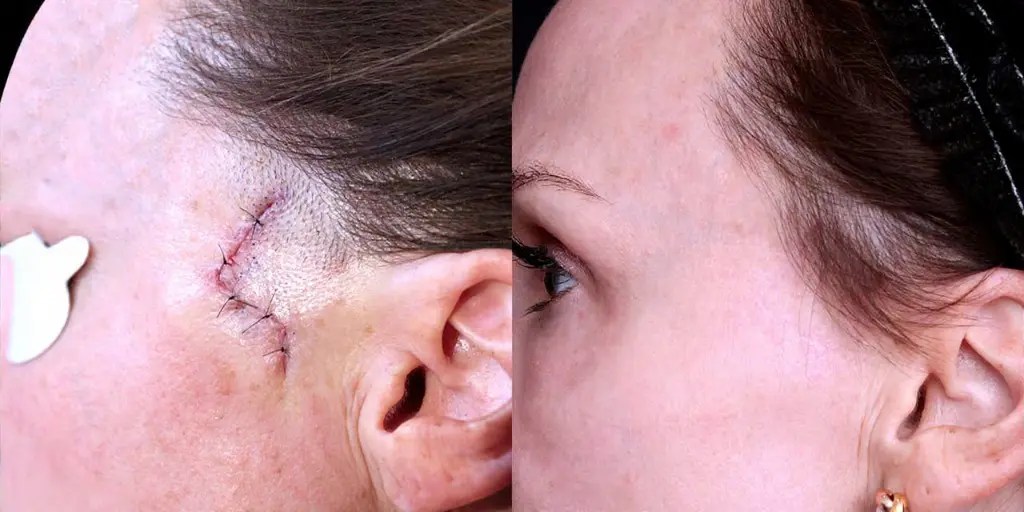
Thick scars often develop as part of the body’s natural healing response after injury, surgery, burns, or trauma. While scars are a normal outcome of tissue repair, some become raised, rigid, or overly dense due to excessive collagen production during healing. These scars can affect not only physical appearance but also skin flexibility and comfort, especially when located over joints or visible areas such as the face, neck, or arms. In such cases, aesthetic and functional concerns often lead individuals to explore advanced corrective procedures. One of the most effective approaches in modern dermatological and reconstructive care is Surgical Scar Revision in Dubai, a targeted method designed to improve the texture, contour, and overall appearance of thick or hypertrophic scars by carefully reworking the existing scar tissue and encouraging more refined healing patterns.
Understanding Thick Scar Formation
Thick scars, often categorized as hypertrophic scars or keloids in some cases, occur when the skin produces excessive collagen during the healing process. Instead of forming a flat, subtle line, the tissue builds up into a raised, firm structure. This response can be influenced by genetics, wound tension, infection during healing, or delayed closure of the wound. In many individuals, thick scars may continue to evolve over months, sometimes becoming more prominent rather than fading.
These scars may feel itchy, tight, or even painful in certain cases. The irregular texture can also create aesthetic imbalance, particularly when scars are located on highly visible parts of the body. Understanding why these scars form is essential in selecting the most appropriate treatment approach, as different scar types require different correction strategies.
When Surgical Scar Revision Becomes Necessary
Not all scars require intervention, but thick scars often reach a point where natural fading is unlikely. Surgical intervention is typically considered when scars interfere with normal movement, cause discomfort, or significantly affect appearance and self-confidence. In some cases, thick scars may also distort surrounding tissue, leading to uneven skin surfaces or restricted mobility.
Surgical correction becomes especially relevant when conservative methods such as topical treatments or silicone-based therapies fail to deliver satisfactory improvement. The goal is not just to remove the scar but to reconstruct the area in a way that encourages smoother healing and a less noticeable final result. This makes surgical intervention a structured and controlled approach rather than a simple removal process.
Surgical Techniques Used in Scar Revision
Several advanced techniques are used to improve thick scars, and the selection depends on the scar’s size, depth, location, and maturity. One commonly used method involves excising the thickened scar tissue and carefully realigning the skin edges to minimize tension. Reducing tension is critical, as it prevents the new scar from becoming thick again.
Another technique involves geometric broken line closure, where the scar is reconstructed into irregular patterns that make it less visible. This method is particularly useful in areas where straight-line scars would be easily noticeable. In some cases, skin grafting or local flap techniques may be applied when the scar covers a larger surface area or when surrounding tissue requires repositioning.
Precision plays a key role in these procedures, as even minor alignment adjustments can significantly influence the final appearance. The aim is always to create a more natural skin contour that blends with the surrounding tissue.
Non-Surgical Complementary Treatments
While surgical methods provide structural correction, non-surgical treatments are often used alongside or after surgery to enhance results. Silicone sheets and gels are commonly recommended to soften scar tissue and reduce redness over time. Pressure therapy may also be used in specific cases to flatten raised scars by applying consistent, controlled compression.
Laser-based treatments can improve pigmentation irregularities and refine the skin’s surface texture. These technologies work by stimulating controlled skin remodeling, which helps improve overall scar appearance. In some cases, injectable treatments are used to reduce scar stiffness and improve flexibility.
These supportive methods do not replace surgical correction but contribute significantly to long-term scar improvement and skin smoothness.
Healing Process and Expected Outcomes
Healing after scar revision varies depending on the complexity of the procedure and the individual’s skin response. Initially, the treated area may appear red or slightly swollen, which is a normal part of the healing cycle. Over time, the body gradually remodels the tissue, replacing it with a more refined scar structure.
It is important to understand that scar improvement is a progressive process. While immediate changes may be visible, the final outcome typically becomes more apparent over several months as collagen reorganizes beneath the skin. Patients often notice a significant reduction in scar thickness, improved color blending, and a smoother surface texture.
Long-term results depend heavily on proper aftercare and adherence to skin protection measures, especially avoiding excessive sun exposure, which can darken or thicken healing scars.
Aftercare and Long-Term Scar Management
Post-treatment care plays a vital role in ensuring optimal results. Keeping the area clean and protected reduces the risk of complications and supports steady healing. Regular moisturizing helps maintain skin elasticity, while sun protection prevents pigmentation changes that can make scars more visible.
In some cases, follow-up treatments may be recommended to further refine results. These may include additional laser sessions or topical therapies aimed at maintaining the improved skin texture. Consistency in aftercare is often what determines whether the final result remains stable and visually improved over time.
Patients are also encouraged to avoid unnecessary strain on the treated area during the early healing phase, as tension can influence how the scar forms again.
Book Us
Achieving smoother and more refined skin is possible with modern corrective techniques designed for thick scars. When considering advanced treatment options like Surgical Scar Revision, it is important to choose an approach that focuses on precision, balance, and long-term skin improvement. At Enfield Royal Clinic Dubai, individuals can explore tailored solutions that address both aesthetic concerns and functional discomfort caused by thick scars.

 English
 Arabic
 French
 Spanish
 Deutsch
 Turkish
 Dutch
Dutch
 Italiano
 Russian
 Romaian
 Portuguese (Brazil)
 Greek
Greek