


How to Optimize Benchtop Fume Hoods for Energy Efficiency
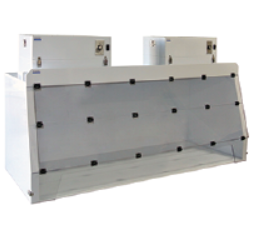
Running a laboratory efficiently means balancing safety, performance, and operational costs. If you use benchtop fume hoods daily, you already know how essential they are for protecting personnel from hazardous fumes, vapors, and airborne contaminants. However, many laboratories overlook how much energy these systems consume over time.
By optimizing your benchtop fume hoods for energy efficiency, you can reduce utility expenses, improve airflow performance, and create a more sustainable laboratory environment without compromising safety. Here are practical strategies you can implement immediately to maximize efficiency in your lab.
Choose the Right Fume Hood Design
One of the most effective ways to improve energy efficiency starts with selecting the right hood for your application. Traditional ducted systems often require large amounts of conditioned air, increasing HVAC demands significantly.
Modern energy-efficient Benchtop Fume Hoods for laboratory applications are designed to minimize airflow waste while maintaining excellent containment performance. Ductless and portable models, in particular, can reduce energy consumption because they recirculate filtered air instead of exhausting conditioned air outside the building.
When selecting a unit, focus on:
- Airflow efficiency
- Variable fan speed controls
- High-performance filtration systems
- Compact workspace design
- Low power consumption ratings
Choosing the proper hood size for your workflow also prevents unnecessary energy use. Oversized units often consume more power than needed.
Maintain Proper Sash Positioning
The sash plays a major role in airflow management and energy savings. Keeping the sash fully open when not required increases the amount of air pulled through the hood, forcing ventilation systems to work harder.
To optimize performance:
- Keep the sash closed whenever possible
- Open it only to the recommended working height
- Train laboratory staff on proper sash usage
- Install sash position alarms if available
Even small reductions in sash opening can significantly decrease airflow demand and lower energy costs over time.
Upgrade to Variable Air Volume Systems
Variable Air Volume (VAV) technology automatically adjusts airflow based on sash position and laboratory requirements. Instead of operating at constant airflow levels all day, VAV systems reduce fan speed during periods of low usage.
Benefits include:
- Lower HVAC energy consumption
- Reduced fan motor wear
- Improved airflow stability
- Better temperature control in the lab
If your facility still uses constant air volume systems, upgrading can provide long-term operational savings while improving overall laboratory efficiency.
Perform Routine Filter Maintenance
Dirty or clogged filters force fume hood systems to work harder, increasing power consumption and reducing airflow efficiency. Regular maintenance helps maintain optimal performance and extends equipment lifespan.
Create a maintenance schedule that includes:
- Inspecting filters regularly
- Replacing saturated filters promptly
- Cleaning airflow pathways
- Monitoring pressure drop indicators
- Checking fan performance
Well-maintained filtration systems not only save energy but also improve containment effectiveness and laboratory safety.
Optimize Laboratory Ventilation
Your fume hood does not operate independently. It works together with the building’s HVAC and ventilation systems. Poorly balanced airflow throughout the laboratory can increase energy waste and reduce hood efficiency.
You can improve performance by:
- Maintaining proper room pressurization
- Preventing cross drafts near the hood
- Positioning hoods away from doors and vents
- Balancing supply and exhaust airflow
- Using occupancy-based ventilation controls
Smart ventilation management reduces unnecessary air exchange rates while maintaining a safe working environment.
Use Energy-Efficient Lighting
Many older fume hoods still rely on outdated lighting systems that generate heat and consume excess electricity. Switching to LED lighting improves visibility while reducing energy usage.
LED lighting offers several advantages:
- Lower power consumption
- Reduced heat generation
- Longer lifespan
- Better illumination quality
- Lower maintenance costs
Improved lighting also enhances user comfort and visibility during laboratory procedures.
Train Laboratory Personnel
Even the most advanced fume hood system can waste energy if users follow inefficient practices. Staff training plays a critical role in improving laboratory sustainability.
Educate users on:
- Proper sash management
- Safe storage practices
- Minimizing clutter inside the hood
- Turning off equipment when not in use
- Reporting airflow issues immediately
Consistent operational habits lead to measurable energy savings across the entire laboratory.
Reduce Clutter Inside the Hood
Storing unnecessary equipment or chemicals inside the hood restricts airflow and forces the system to work harder. Excess clutter can also create airflow turbulence that reduces containment performance.
To improve efficiency:
- Keep only active materials inside the hood
- Remove unused containers
- Organize equipment neatly
- Avoid blocking rear airflow slots
- Maintain clear airflow pathways
A clean workspace improves both safety and operational efficiency.
Monitor Hood Performance Regularly
Continuous monitoring helps identify inefficiencies before they become costly problems. Modern monitoring systems provide real-time airflow data and alert users to abnormal operating conditions.
Important performance indicators include:
- Face velocity measurements
- Filter saturation levels
- Fan energy consumption
- Airflow alarms
- Temperature fluctuations
Regular testing ensures your system operates safely and efficiently throughout its service life.
Invest in High-Quality Laboratory Equipment
Reliable equipment delivers better long-term performance and lower operating costs. Low-quality systems may appear affordable initially, but inefficient airflow design and poor durability often lead to higher maintenance expenses and energy consumption.
Working with experienced manufacturers like CleaTech LLC advanced laboratory containment solutions helps ensure you receive high-performance equipment designed for energy efficiency, laboratory safety, and long-term reliability.
Final Thoughts
Improving the energy efficiency of your benchtop fume hoods does not require sacrificing safety or productivity. Small operational changes, routine maintenance, proper ventilation management, and modern equipment upgrades can dramatically reduce energy consumption while improving laboratory performance.
By implementing these strategies, you can lower operational costs, extend equipment lifespan, and support a more sustainable laboratory environment.
If you are looking for advanced laboratory containment systems and customizable solutions, Contact us today for professional benchtop fume hood solutions.
FAQs
What are benchtop fume hoods used for?
Benchtop fume hoods protect laboratory personnel from hazardous fumes, vapors, and airborne particles generated during chemical handling, testing, and research procedures.
How do ductless benchtop fume hoods save energy?
Ductless systems recirculate filtered air instead of exhausting conditioned air outdoors, reducing HVAC workload and lowering overall energy consumption.
How often should fume hood filters be replaced?
Filter replacement depends on usage, chemical exposure, and manufacturer recommendations. Regular inspections help determine when filters need changing.
Why is sash management important for energy efficiency?
Keeping the sash at the recommended height reduces airflow demand, lowering ventilation energy consumption while maintaining safe containment.
Can upgrading lighting improve fume hood efficiency?
Yes. LED lighting consumes less electricity, generates less heat, and improves visibility, making laboratory operations more energy efficient.
Original Source: https://laboratoryquipment.blogspot.com/2026/05/how-to-optimize-benchtop-fume-hoods-for.html

 English
 Arabic
 French
 Spanish
 Portuguese
 Deutsch
 Turkish
 Dutch
Dutch
 Italiano
 Russian
 Romaian
 Portuguese (Brazil)