


5 Common Mistakes in B Pressure Welding to Avoid
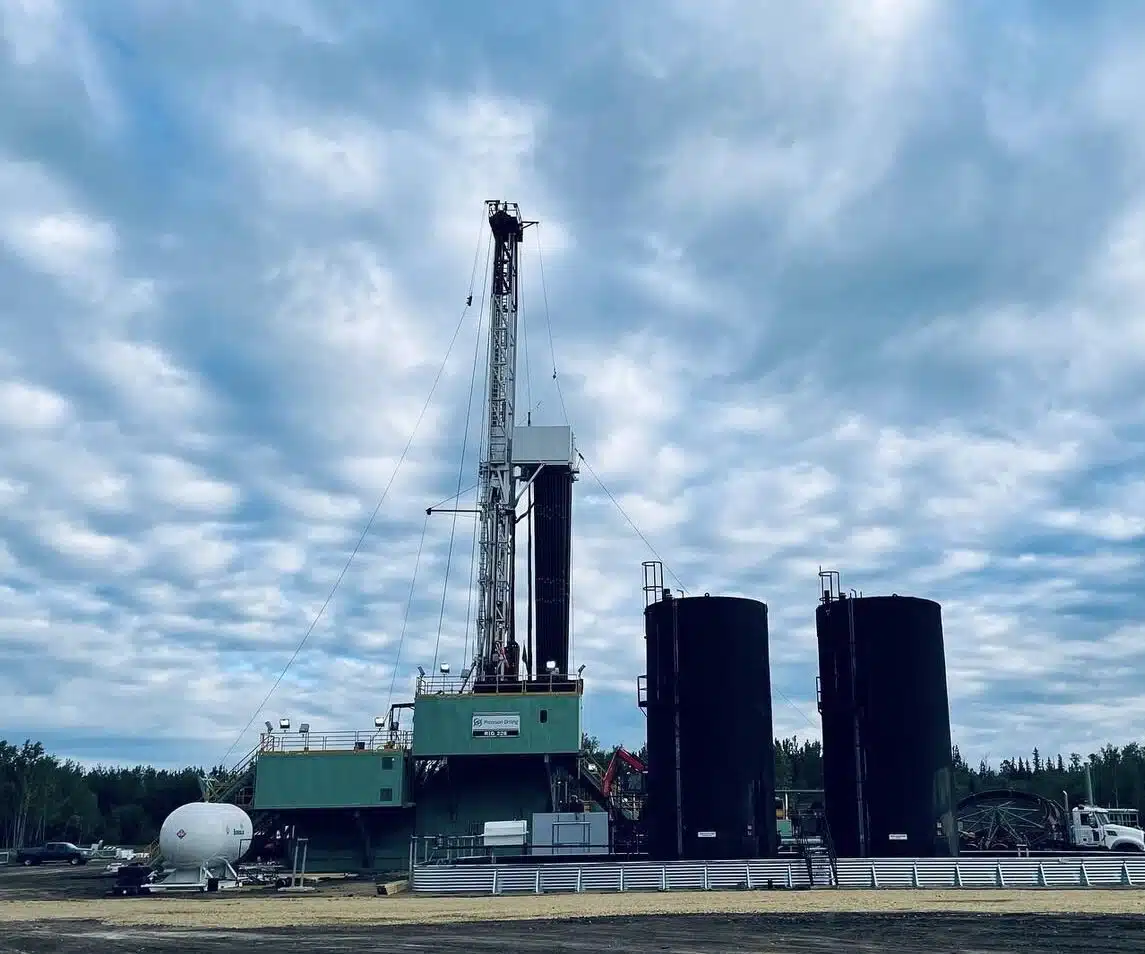
A B pressure welder plays a vital role in Alberta’s industrial landscape, particularly in piping systems used across energy, manufacturing, and commercial facilities. In regions like Stony Plain, pressure welding must meet strict regulatory and safety standards to ensure system integrity, operational reliability, and worker safety.
Despite extensive training and certification, even experienced professionals can encounter challenges. Understanding common mistakes in B pressure welding—and knowing how to avoid them—helps reduce rework, improve safety, and maintain compliance with Alberta regulations.
This guide highlights five common mistakes in B pressure welding, focusing on awareness, preparation, and professional best practices rather than technical instructions.
Understanding the Role of a B Pressure Welder
A B pressure welder is certified to work on specific pressure systems, typically involving higher responsibilities than general welding roles. Their work directly impacts system performance and safety, making precision and compliance essential.
Why Pressure Welding Requires Extra Care
Pressure welds are designed to withstand internal forces, temperature changes, and long-term operational stress. A single oversight can compromise an entire system, leading to safety hazards or costly downtime.
Mistake #1: Inadequate Preparation Before Welding
One of the most common issues for a B pressure welder is underestimating the importance of preparation.
Poor Job Planning
Skipping or rushing pre-job planning can lead to misalignment, incorrect sequencing, or compatibility issues with materials and systems.
Incomplete Documentation Review
Pressure welding projects typically involve detailed drawings, specifications, and regulatory documentation. Overlooking these details increases the risk of non-compliant welds.
How to Avoid It:
Successful B pressure welders prioritize thorough planning, documentation review, and clear understanding of project requirements before work begins.
Mistake #2: Ignoring Environmental and Site Conditions
Pressure welding does not occur in a vacuum. Environmental factors significantly influence weld quality.
Temperature and Weather Effects
Cold temperatures, moisture, or wind—common in Alberta—can affect weld integrity and inspection outcomes.
Site Constraints and Accessibility
Tight spaces, elevated work areas, or nearby active systems can introduce additional risks if not properly assessed.
How to Avoid It:
A professional B pressure welder evaluates site conditions in advance and adjusts workflows to maintain safety and quality standards.
Mistake #3: Inconsistent Quality Control and Inspection Awareness
Quality control is a shared responsibility, but welders play a central role.
Relying Solely on Final Inspections
Some welders assume inspectors will catch all issues later. This mindset can lead to preventable defects.
Overlooking Visual Indicators
Early visual checks often reveal alignment issues, surface irregularities, or other concerns that could worsen over time.
How to Avoid It:
Experienced B pressure welders treat quality control as a continuous process, not a final step, and remain proactive throughout the project.
Mistake #4: Communication Breakdowns on the Job Site
Pressure welding projects involve multiple professionals, including supervisors, inspectors, engineers, and other trades.
Misunderstanding Scope or Changes
Unclear instructions or undocumented changes can result in welds that no longer align with updated requirements.
Lack of Coordination With Other Trades
Scheduling conflicts or uncoordinated work zones can create safety risks or compromise weld quality.
How to Avoid It:
Clear, ongoing communication helps a B pressure welder stay aligned with project goals and respond quickly to changes.
Mistake #5: Complacency With Safety Practices
Even highly skilled professionals are vulnerable to complacency over time.
Skipping Safety Checks
Routine tasks can lead to shortcuts, especially under time pressure. This increases the likelihood of accidents or errors.
Underestimating Risk Exposure
Pressure welding involves high-risk environments, including pressurized systems and industrial settings.
How to Avoid It:
A disciplined B pressure welder treats every job with the same level of caution, regardless of experience or familiarity.
The Importance of Ongoing Training and Certification
Pressure welding standards evolve, and continuous learning is essential.
Staying Current With Alberta Regulations
Regulatory requirements in Alberta are regularly updated to reflect safety and industry advancements. Staying informed is critical.
Professional Development Benefits
Ongoing training improves technique awareness, safety compliance, and long-term career opportunities for B pressure welders.
How Avoiding These Mistakes Improves Project Outcomes
Preventing common mistakes benefits everyone involved in a pressure welding project.
Reduced Rework and Delays
Accurate, compliant welding reduces inspection failures and costly rework.
Enhanced Safety and Reliability
Well-executed pressure welds improve system performance and reduce long-term risks.
Building a Professional Reputation as a B Pressure Welder
Consistency and accountability define top professionals.
Trust and Reliability
Clients and employers value B pressure welders who demonstrate attention to detail, safety awareness, and strong communication.
Long-Term Career Stability
Avoiding common mistakes strengthens professional credibility and supports steady career growth in Alberta’s industrial sectors.
Frequently Asked Questions (FAQs)
1. What does a B pressure welder do?
A B pressure welder is certified to perform welding on pressure systems, ensuring joints meet strict safety and regulatory standards.
2. Why is pressure welding considered high risk?
Pressure welding involves systems that operate under force and temperature, making failures potentially dangerous and costly.
3. How can a B pressure welder reduce errors on the job?
Proper preparation, clear communication, safety awareness, and continuous quality checks help reduce common mistakes.
4. Are regulations for pressure welding different in Alberta?
Yes. Alberta has specific codes and safety requirements that pressure welders must follow to remain compliant.
5. Is ongoing training important for B pressure welders?
Absolutely. Ongoing training ensures compliance with updated regulations and helps maintain high professional standards.
Final Thoughts
The role of a B pressure welder carries significant responsibility, especially in industrial regions like Stony Plain, Alberta. While skill and certification are essential, avoiding common mistakes is equally important for safety, compliance, and project success.
By focusing on preparation, communication, environmental awareness, quality control, and safety discipline, B pressure welders can consistently deliver reliable results. A proactive, professional approach not only protects systems and people but also builds a strong reputation in Alberta’s demanding pressure welding industry.

 English
 French
 Spanish
 Portuguese
 Deutsch
 Turkish
 Dutch
Dutch
 Italiano
 Russian
 Romaian
 Portuguese (Brazil)
 Greek
Greek