


The Rise of Arab Female Influencers: Changing Beauty Standards in MENA
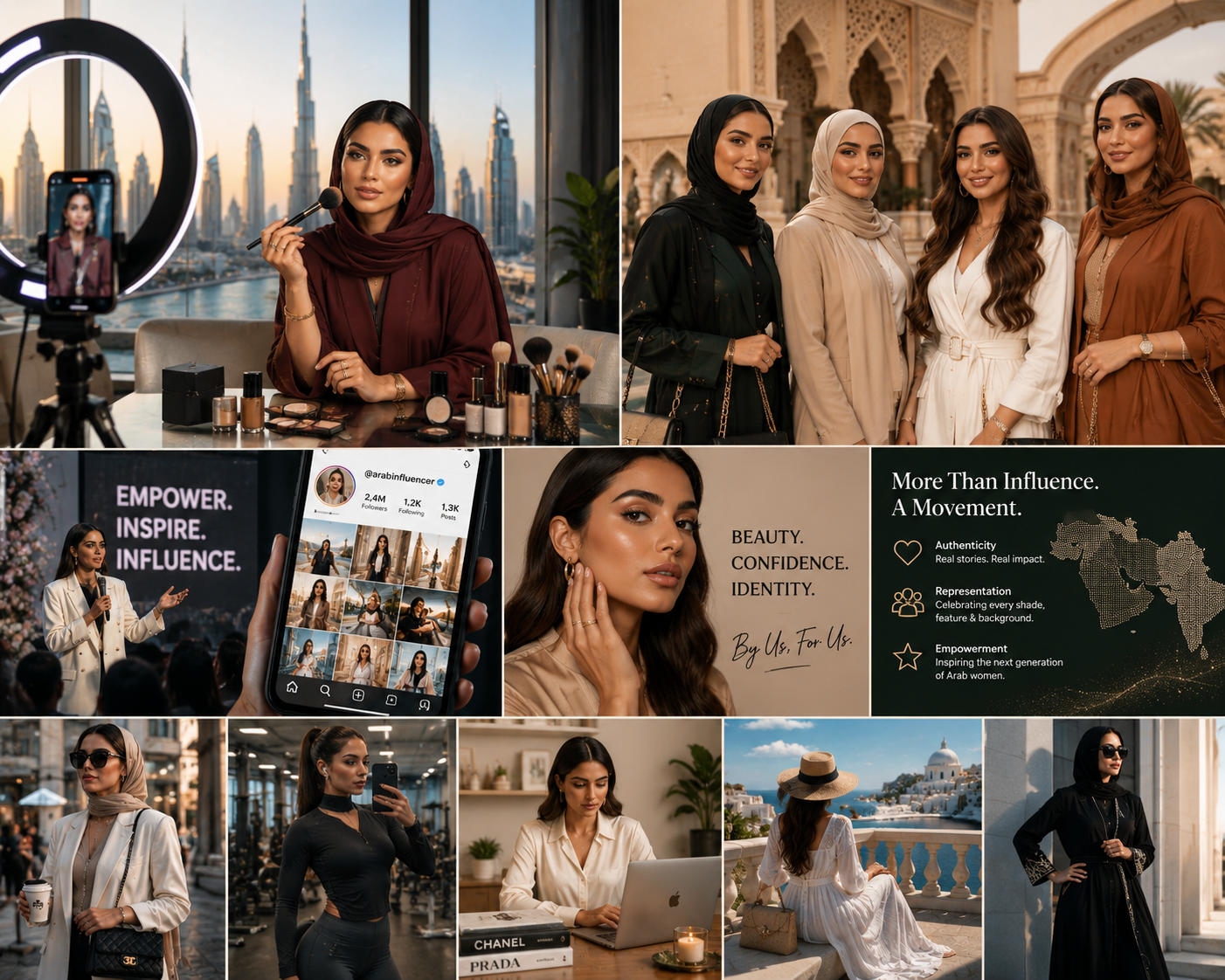
Social media has transformed the beauty industry across the Middle East and North Africa (MENA). In 2026, Arab female influencers are playing a major role in shaping beauty trends, consumer preferences, and cultural conversations throughout the region and beyond.
Their influence goes far beyond product promotion. These creators are redefining how beauty is represented by combining modern styling with cultural identity, authenticity, and personal expression. Through platforms such as Instagram, TikTok, Snapchat, and YouTube, they are building strong communities that trust their recommendations and follow their lifestyle choices.
For brands and digital platforms like Magnav Middle East, understanding this shift is essential for creating content strategies that align with modern audiences and evolving market trends.
Social Media and the Growth of Beauty Influence
The rapid growth of social media usage in the MENA region has created new opportunities for content creators. Arab female influencers have used these platforms to establish personal brands that connect directly with audiences.
Unlike traditional celebrity endorsements, influencer content often feels more relatable and accessible. Followers engage with daily routines, beauty tutorials, skincare recommendations, fashion styling, and lifestyle insights in a more personal way.
This direct connection has increased trust and made influencers one of the strongest marketing channels in the regional beauty industry.
Redefining Beauty Standards in the MENA Region
Beauty standards in the MENA region are becoming more diverse and inclusive. Arab female influencers are contributing to this change by promoting individuality and confidence rather than a single definition of beauty.
Many creators are openly discussing topics such as:
-
Skin diversity
-
Natural beauty
-
Modest fashion and makeup styling
-
Self-confidence
-
Cultural representation
This shift is helping audiences feel more represented and reducing pressure to follow unrealistic global beauty expectations.
The Influence of Cultural Identity
One of the defining aspects of Arab beauty influencers is their ability to integrate cultural identity into modern beauty trends.
Traditional elements such as modest styling, Arabic makeup techniques, and regional fashion preferences are now reaching global audiences through digital content. At the same time, creators are adapting international trends in ways that reflect local values and lifestyles.
This combination has created a distinct beauty identity that is both regionally relevant and internationally influential.
The Business Impact on the Beauty Industry
The rise of Arab female influencers has significantly affected how beauty brands market their products in the MENA region.
Companies are increasingly partnering with regional creators because they understand local audiences better than international campaigns alone. Influencer collaborations often lead to:
-
Higher engagement rates
-
Increased product trust
-
Stronger brand awareness
-
Better regional targeting
Consumers are more likely to respond to recommendations from creators they follow regularly and trust personally.
Skincare and Wellness-Focused Beauty Trends
Beauty conversations in 2026 are shifting from heavy cosmetic focus toward skincare and wellness. Arab influencers are increasingly promoting routines that prioritize healthy skin, balanced lifestyles, and long-term care.
This includes discussions around:
-
Skin hydration in hot climates
-
Preventive skincare
-
Minimal makeup approaches
-
Wellness routines
-
Clean beauty products
Audiences are becoming more informed about ingredients, product quality, and skincare education rather than following trends blindly.
Luxury Beauty and Premium Consumer Behavior
The MENA region remains one of the strongest luxury beauty markets globally. Arab female influencers are major contributors to the visibility of premium skincare, fragrance, and cosmetic brands.
However, purchasing behavior has become more selective. Consumers now focus more on:
-
Product effectiveness
-
Ingredient quality
-
Brand reputation
-
Authentic reviews
-
Long-term value
This has encouraged beauty brands to invest more in transparency and customer experience.
The Role of Video Content in Beauty Influence
Short-form video content has become one of the most effective formats in the beauty industry. Tutorials, product reviews, and skincare routines are now consumed primarily through video-based platforms.
Arab female influencers are using this format to provide:
-
Step-by-step makeup guidance
-
Honest product testing
-
Beauty education
-
Fashion and styling inspiration
This style of content increases audience engagement and allows followers to make more informed purchasing decisions.
Entrepreneurship Among Arab Female Influencers
Many influencers are now expanding beyond content creation into entrepreneurship. They are launching:
-
Beauty brands
-
Fashion labels
-
Skincare products
-
Lifestyle businesses
This reflects the growing economic influence of digital creators in the MENA region. Their audiences often support these businesses because of the trust already established through content.
Cities such as Dubai and Riyadh are becoming major hubs for beauty entrepreneurship and digital commerce.
The Importance of Authenticity
Authenticity has become one of the most important factors in influencer success. Audiences are increasingly selective about who they trust online.
Creators who provide honest opinions, realistic recommendations, and transparent partnerships tend to build stronger long-term engagement.
This has also influenced how brands approach influencer marketing. Companies are focusing more on credibility and audience connection rather than follower count alone.
Digital Strategy and Brand Visibility
As competition increases, beauty brands need stronger digital strategies to remain visible. Professional websites, SEO-focused content, and consistent branding all contribute to long-term success.
Businesses working with Magnav Middle East can improve their online visibility through targeted content strategies designed for modern MENA audiences.
Strong digital positioning helps brands build authority and maintain audience trust in competitive markets.
Conclusion
Arab female influencers are reshaping beauty standards in the MENA region through authenticity, cultural representation, and digital influence. Their impact extends beyond beauty trends into business, entrepreneurship, and consumer behavior.
As audiences continue to value transparency and individuality, brands that align with these expectations will be better positioned for long-term growth. The future of beauty in the MENA region will likely become more inclusive, informed, and digitally driven.
Frequently Asked Questions (FAQs)
Why are Arab female influencers important in the beauty industry?
They shape consumer trends, influence purchasing decisions, and provide culturally relevant beauty content for audiences across the MENA region.
How are beauty standards changing in MENA?
Beauty standards are becoming more diverse and focused on individuality, natural beauty, and cultural representation.
Why do brands collaborate with regional influencers?
Regional influencers have stronger audience trust and better understanding of local preferences and market behavior.
What beauty trends are growing in 2026?
Skincare-focused routines, wellness-based beauty, minimal makeup styles, and clean beauty products are becoming increasingly popular.
How does social media impact beauty purchasing decisions?
Consumers often rely on influencer reviews, tutorials, and recommendations before buying beauty products online.

 English
 Arabic
 French
 Spanish
 Portuguese
 Turkish
 Dutch
Dutch
 Italiano
 Russian
 Romaian
 Portuguese (Brazil)
 Greek
Greek