


Best Projection Screens for Home Theater
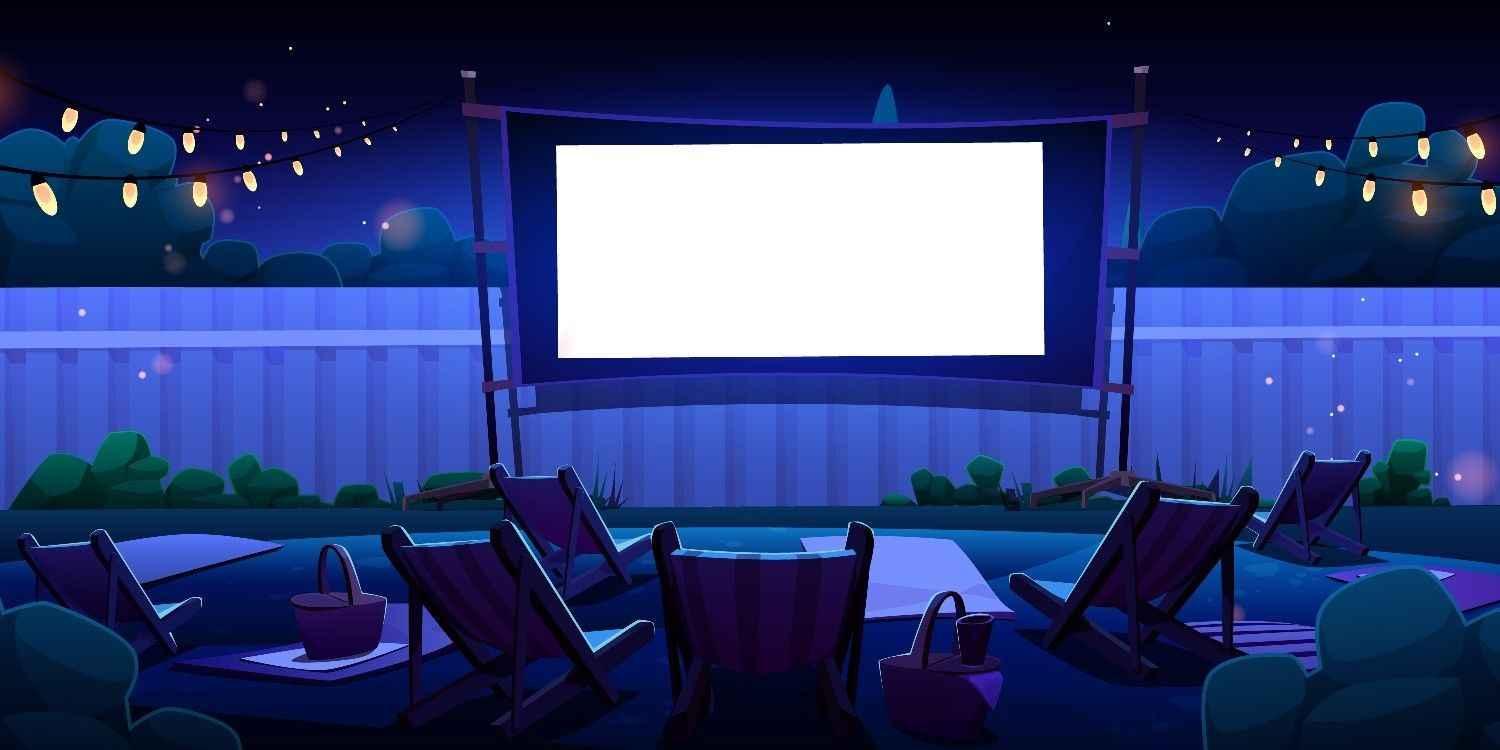
Creating a true home theater experience is no longer reserved for luxury homes or commercial cinemas. With modern projection technology becoming more accessible, more homeowners are investing in immersive viewing environments that rival professional theaters. However, while people often focus heavily on projectors and sound systems, the screen itself is just as critical. The right projection screen determines clarity, brightness, color accuracy, and overall visual impact. Choosing wisely transforms casual movie nights into cinematic experiences that feel intentional, polished, and deeply engaging.
A high-quality projection screen is designed to control light reflection, maintain uniform texture, and preserve image sharpness across its surface. Unlike projecting onto a wall, a purpose-built screen enhances contrast and eliminates imperfections that distort the image. Even the best projector cannot compensate for a poor surface. That is why understanding screen types, materials, and performance features is essential for anyone serious about home theater design. The screen is not an accessory — it is the foundation of the visual experience.
Key Features That Define a Great Home Theater Screen
When selecting a projection screen, performance characteristics matter more than appearance alone. Screen gain, viewing angle, material composition, and installation style all influence how the image appears from different seating positions. A well-designed screen ensures brightness consistency while minimizing glare and hotspotting. It should support modern resolutions, including 4K and beyond, without texture interference or color distortion.
Important features to consider include:
- Screen gain that matches your projector brightness
- Wide viewing angles for multi-seat rooms
- Tensioned surfaces to prevent wrinkles
- Light-rejecting materials for brighter environments
- Proper aspect ratio for your content preferences
- Durable frame construction for long-term stability
Room lighting plays a significant role in screen selection. Dedicated dark rooms allow for more flexibility, while living spaces with ambient light require materials engineered to preserve contrast. The right balance ensures that blacks remain deep, whites stay crisp, and colors retain their intended richness. A premium home theater setup is not about maximum brightness — it is about controlled light and accurate reproduction.
In the middle of evaluating options, many enthusiasts gravitate toward a Fixed Frame Projection Screen because it provides a perfectly tensioned surface that remains permanently flat. This style is often considered the gold standard for dedicated theaters due to its stability and consistent performance. A fixed frame eliminates mechanical movement, reducing wear and maintaining image precision over years of use.
Beyond material quality, screen size and placement influence immersion. A screen that is too small fails to deliver cinematic scale, while one that is too large can overwhelm the room and strain viewing comfort. Optimal sizing depends on seating distance, projector resolution, and personal preference. Industry guidelines suggest a viewing angle that fills a significant portion of your field of vision without forcing excessive head movement. Comfort and immersion must coexist.
Another overlooked factor is acoustic integration. Some screens are acoustically transparent, allowing speakers to be placed behind the surface for authentic theater sound staging. This design replicates commercial cinema layouts where dialogue appears to come directly from the screen rather than below or beside it. For serious home theater builders, audio placement is as important as visual clarity.
Choosing the Right Screen for Your Space
Selecting the ideal screen is not just about technical specs; it is about matching the screen to your environment and usage habits. A multipurpose living room demands flexibility, while a dedicated theater room prioritizes performance. Understanding how you plan to use the space helps narrow the field quickly.
For households with mixed lighting conditions, screen materials that enhance contrast without sacrificing brightness are especially valuable. Families who watch sports, stream shows, and play games during the day need different performance characteristics than night-only movie enthusiasts. Durability also matters in active homes, where screens must withstand occasional contact or environmental changes.
Working with a reliable projection screen supplier ensures access to professional guidance, proper installation support, and long-term product reliability. Expert suppliers understand how projector specs, room dimensions, and viewing habits intersect. Their recommendations help avoid mismatched equipment and costly upgrades later. A screen should be treated as a long-term investment rather than a disposable accessory.
Home theater design is increasingly about personalization. Some viewers prioritize ultra-wide cinematic formats, while others want flexible aspect ratios for gaming and television. Screen choice should reflect these priorities. Modern projection technology allows customization that was once reserved for commercial venues. With the right planning, a home theater becomes a tailored entertainment environment rather than a generic setup.
Aesthetics also influence the final decision. A well-integrated screen complements the room’s design instead of dominating it awkwardly. Frame finishes, border thickness, and mounting style contribute to the visual harmony of the space. A clean installation reinforces the premium feel of the theater and enhances the sense of intention behind the setup.
Conclusion
The best projection screens for home theater are not defined by price alone, but by how effectively they support the viewing experience. Image accuracy, structural stability, material quality, and room compatibility all work together to create immersion. A carefully selected screen elevates every film, game, and show by delivering visuals the way they were meant to be seen.
Home theater enthusiasts often upgrade projectors and audio systems over time, but a high-quality screen remains the constant centerpiece. Investing in the right screen from the beginning saves money, improves performance, and prevents frustration. The difference between a casual setup and a cinematic environment often comes down to this single component.
Ultimately, the goal is not just watching content, it is experiencing it. A premium projection screen turns a room into a destination, a place where storytelling feels larger than life. When the screen disappears and only the image remains, you know you have chosen well.

 English
 Arabic
 French
 Spanish
 Portuguese
 Deutsch
 Turkish
 Italiano
 Russian
 Romaian
 Portuguese (Brazil)
 Greek
Greek