


Advanced CallerID Management Strategies for Modern Businesses
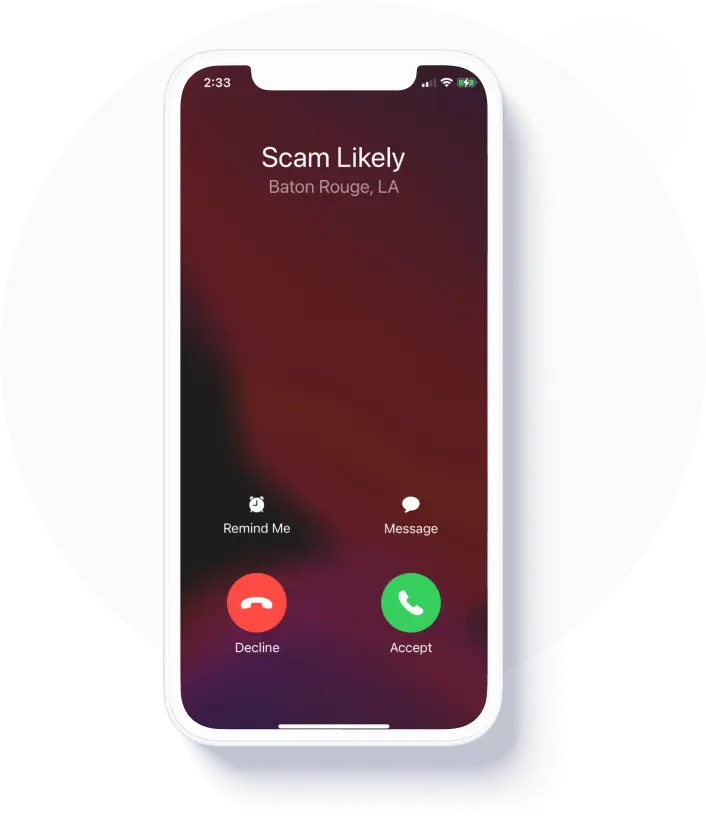
In an era where spam detection systems are more aggressive than ever, businesses must do more than simply place outbound calls. Carriers and analytics providers now evaluate every call before it reaches a customer’s phone. This shift has made callerid management a crucial part of maintaining strong communication performance and protecting brand trust.
CallerID management refers to the monitoring, protection, and optimization of outbound phone numbers to ensure they are displayed accurately and not flagged as spam. Each time a business places a call, carrier-level algorithms analyze the number’s behavior, complaint history, call volume, and engagement metrics. If the system detects suspicious patterns, the call may be labeled “Spam Likely,” “Scam Risk,” or blocked entirely.
For organizations that rely heavily on outbound communication, negative labeling can significantly reduce answer rates. Sales teams may struggle to connect with prospects. Customer support representatives may find callbacks going unanswered. Appointment reminders and payment notifications may fail to reach recipients. Over time, these missed interactions can lead to lost revenue and declining customer satisfaction.
One of the primary components of effective CallerID management is proactive monitoring. Businesses should regularly review how their numbers are classified across various analytics platforms and carrier networks. Early detection of spam labels allows companies to act quickly before performance metrics drop substantially.
Dialing behavior plays a major role in how numbers are evaluated. Sudden spikes in call volume or rapid, repetitive dialing patterns can resemble robocall campaigns. Even legitimate outreach can trigger filtering systems if pacing is too aggressive. Gradually increasing volume and distributing calls more evenly throughout the day reduces the likelihood of negative classification.
Complaint management is equally important. When recipients report a call as spam, those reports are captured by analytics databases and shared across networks. A rise in complaints can quickly damage a number’s standing. Clear communication, prior customer consent, and recognizable caller identification significantly reduce the risk of being reported.
List hygiene also contributes to stronger caller ID performance. Dialing outdated or incorrect numbers increases unanswered call ratios and potential complaints. Regularly cleaning contact databases and honoring opt-out requests demonstrates responsible outreach practices and supports long-term number health.
Authentication technologies such as STIR/SHAKEN provide additional protection. These frameworks verify that calls originate from authorized sources, helping reduce spoofing risks. While authentication does not guarantee immunity from spam labeling, it strengthens trust signals and improves overall credibility within carrier systems.
Spoofing is an increasing concern in today’s telecom environment. If bad actors impersonate your number, they can generate complaints that harm your reputation. Without consistent oversight, businesses may not detect spoofing until answer rates decline significantly. Monitoring tools and verification services help identify and mitigate this risk quickly.
When a number becomes flagged, swift remediation is essential. This may involve adjusting dialing strategies, temporarily reducing call volume, reviewing complaint data, and submitting reassessment requests to analytics providers. The faster corrective steps are taken, the easier it is to restore positive classification.
Organizations that invest in structured CallerID management often see measurable improvements. Higher connect rates increase sales productivity. Successful callbacks enhance customer satisfaction. Fewer blocked calls reduce wasted time and operational costs. Over time, maintaining a clean caller ID profile becomes a competitive advantage.
It is important to remember that caller ID reputation is dynamic. Even well-performing numbers require ongoing oversight. Changes in call volume, campaign structure, or customer behavior can influence how carriers classify your calls. Continuous monitoring ensures stability and long-term performance.
As carriers continue tightening spam detection standards, businesses must adapt. Consumer caution toward unknown numbers is at an all-time high, and a single spam label can significantly impact engagement.

 English
 Arabic
 French
 Spanish
 Portuguese
 Deutsch
 Turkish
 Dutch
Dutch
 Italiano
 Romaian
 Portuguese (Brazil)
 Greek
Greek