


How to Fix Yellow Leaves in Hydroponics
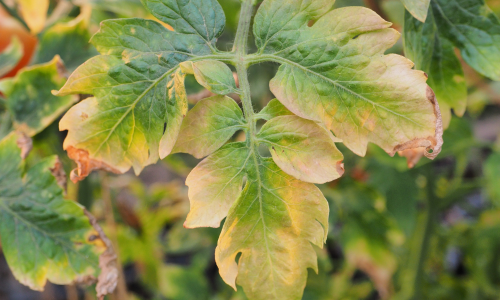
Yellow leaves are one of the most common concerns in hydroponic farming. Plants that once looked fresh and green can suddenly begin losing colour, leaving growers confused about what went wrong. Since hydroponic plants rely entirely on water-based nutrition, even a small imbalance can quickly show up in the leaves. The good news is that yellowing usually signals an underlying issue that can be corrected once identified. Understanding how the nutrient solution for hydroponics, environmental conditions, and root health interact is key to solving the problem.
➤ Nutrient Deficiency and Imbalance
The most frequent cause of yellow leaves in hydroponics is improper nutrition. In soil, plants sometimes find extra nutrients naturally, but in hydroponics, everything depends on the hydroponic solution you provide. Missing essential hydroponics nutrients such as nitrogen, iron, or magnesium often leads to pale or yellow foliage.
Nitrogen deficiency usually causes older leaves to turn yellow first, while iron deficiency often affects new growth. Balanced macro and micronutrients ensure steady plant development. Regular monitoring of nutrient concentration helps prevent deficiencies and keeps plants healthy.
➤ Incorrect EC and pH Levels
Another major factor behind yellow leaves is improper EC and pH in hydroponics. Electrical Conductivity indicates nutrient strength, while pH controls how easily plants absorb those nutrients. Even if nutrients are present, the wrong pH can make them unavailable to roots.
Most hydroponic crops prefer a hydroponic nutrient solution pH level between 5.5 and 6.5. If pH rises too high or drops too low, nutrient uptake slows, leading to yellowing leaves. Similarly, excessively high EC may cause nutrient burn, while low EC can leave plants underfed. Consistent testing and gradual adjustments help maintain stability.
➤ Poor Water Quality
Water quality is often overlooked but plays a crucial role in hydroponics. Tap water may contain chlorine, heavy minerals, or salts that affect nutrient absorption. Over time, these impurities can alter the nutrient balance and cause leaf discoloration.
Using filtered or reverse osmosis water can improve consistency in the nutrient solution for hydroponics. Regularly replacing the reservoir solution also prevents salt buildup, keeping plants in a healthier environment.
➤ Root Health Problems
Healthy roots are essential for nutrient absorption. If roots are stressed or damaged, leaves often show the first signs. Root rot, caused by poor oxygen supply or warm water, is a common issue in hydroponic systems.
Roots should appear white and firm. Brown or slimy roots may indicate disease or oxygen deficiency. Proper aeration, water circulation, and temperature control support root health. These practices are especially important in commercial hydroponic farming where system stability directly affects yield.
➤ Lighting and Environmental Factors
Lighting plays a significant role in plant colour and growth. Insufficient light reduces photosynthesis, often leading to pale or yellow leaves. On the other hand, excessive heat from lights can stress plants and affect nutrient uptake.
Temperature, humidity, and airflow also influence plant health. Modern controlled environment agriculture systems maintain stable conditions to minimize stress. Consistent environmental control helps plants use nutrients efficiently and maintain vibrant foliage.
➤ Overfeeding or Nutrient Lockout
Sometimes yellow leaves result not from deficiency but from excess nutrients. Overfeeding can cause nutrient lockout, where roots struggle to absorb essential elements despite their presence in the solution.
Flushing the system with clean water and preparing a balanced hydroponic solution often helps restore equilibrium. Gradual corrections are usually safer than sudden changes.
➤ Prevention Tips for Healthy Green Leaves
Preventing yellow leaves in hydroponics is largely about routine monitoring. Regular checks of EC, pH, water temperature, and nutrient strength help catch issues early. Clean equipment, fresh nutrient solutions, and proper aeration contribute to stable plant growth.
Growers working with vertical farming systems or indoor hydroponic setups often rely on sensors and automation to maintain consistent conditions. Even small home growers benefit from simple testing tools to monitor their systems.
Conclusion
Yellow leaves in hydroponics rarely appear without reason. They usually reflect nutrient imbalance, improper EC or pH levels, water quality concerns, or environmental stress. Paying close attention to the nutrient solution for hydroponics, root health, and climate conditions helps restore plant vitality quickly.
Hydroponic farming works best when stability becomes part of the routine. Regular observation, balanced nutrition, and controlled conditions keep plants green, productive, and resilient. Once growers understand these fundamentals, yellow leaves become easier to manage and far less frequent.

 English
 Arabic
 French
 Spanish
 Portuguese
 Deutsch
 Turkish
 Dutch
Dutch
 Italiano
 Romaian
 Portuguese (Brazil)
 Greek
Greek