


Lifeguard Courses in New York: A Complete Guide
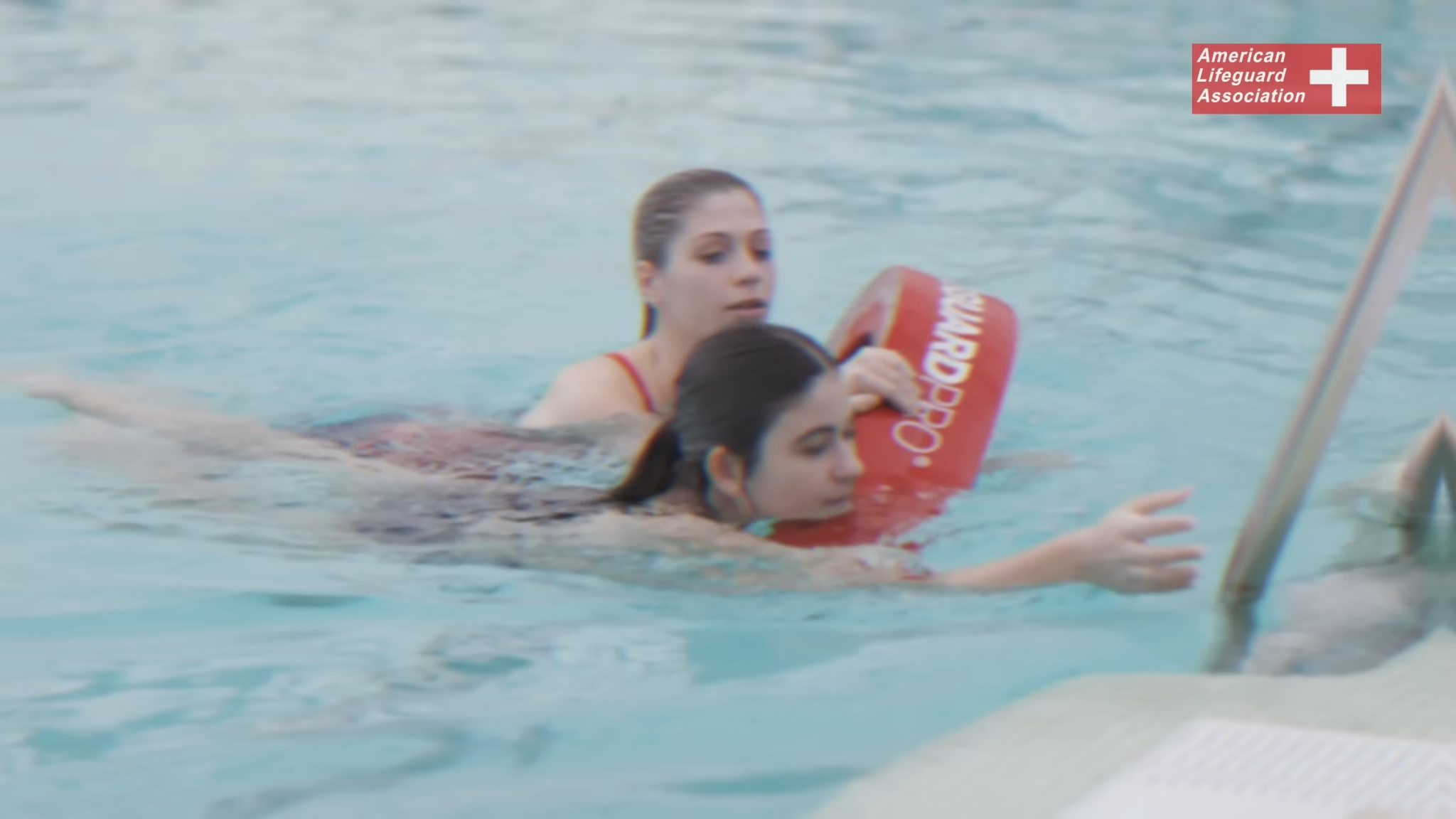
Lifeguard courses in New York provide essential training for individuals who want to work in aquatic safety — whether at community pools, recreation centers, fitness clubs, beaches, or water parks. These courses teach life‑saving skills, rescue techniques, emergency response, CPR, first aid, and safety decision‑making. After successful completion, participants receive lifeguard certification, making them eligible for lifeguard positions and responsible for protecting swimmers.
This article explains what lifeguard courses cover, where you can find them in New York, certification details, prerequisites, and the benefits of training.
Summary
Lifeguard courses in New York prepare participants with rescue skills, emergency care abilities, water safety knowledge, and certification recognized by employers. Training combines classroom instruction and in‑water practice. Candidates learn how to prevent accidents, perform lifesaving rescues, and respond confidently in critical situations. Programs are offered by reputable training centers throughout New York City and the surrounding region.
What Lifeguard Courses Cover
Lifeguard courses train students in both theoretical concepts and practical skills. Key components include:
1. Water Rescue Techniques
Students learn how to approach and assist distressed swimmers, perform safe water extractions, and manage rescues for conscious and unconscious victims.
2. Swimming Proficiency
Strong swimming ability is a core part of training. Courses include timed swim tests, treading water, and rescue swim drills.
3. CPR and First Aid
Training teaches cardiopulmonary resuscitation (CPR), rescue breathing, basic first aid for injuries, and the proper use of emergency equipment.
4. Emergency Readiness
Lifeguard candidates learn how to communicate in high‑pressure situations, call for help, and coordinate with other responders.
5. Risk Prevention and Safety Awareness
Participants are trained to identify hazards, enforce safety rules, and prevent accidents through vigilant monitoring.
Lifeguard Course Providers in New York
1. Lifeguard Training NY
- Offers lifeguard certification classes, including aquatic rescue skills, CPR, first aid, and state‑approved lifeguard programs.
- Training available in multiple New York locations such as Brooklyn and Nassau County.
- Courses include both classroom lessons and hands‑on pool instruction.
2. Aquatic Solutions CPR
- Provides comprehensive lifeguard courses in New York City with strong focus on aquatic safety and emergency preparedness.
- Includes training in rescue scenarios, CPR/first aid, and certification exams.
3. Individual Training and Smaller Providers
In various neighborhoods in NYC, independent instructors and training groups offer lifeguard courses and certifications. These may be more flexible and personalized.
Examples include:
- Water safety trainers in Brooklyn
- Private lifeguard instructors in Manhattan
- Aquatic training facilities in Queens
(Contact these providers directly for schedules and offerings.)
Lifeguard Certification Details
After completing a lifeguard course, successful candidates receive certification, which:
- Confirms their proficiency in lifesaving skills
- Includes CPR and first aid credentials
- Is typically valid for 2 years
- Must be renewed after expiration
Most employers in New York require active certification before hiring.
Eligibility Requirements
Before enrolling in a lifeguard courses in New York, you generally must:
- Be at least 15 years old (age requirements can vary slightly by program)
- Demonstrate strong swimming ability
- Complete all course requirements including exams and practical tests
Swimming tests often include:
- Timed distance swim
- Treading water for a set time
- Retrieval and rescue drills
How Lifeguard Courses Are Structured
Courses generally include:
- Classroom Lessons
— Safety principles, emergency planning, risk identification - In‑Water Practice
— Rescue drills, swimming endurance, rescue techniques - Skill Evaluation
— Practical rescues, first aid performance, CPR testing - Certification Exam
— Written or practical assessment before certificate issuance
Course duration varies but often runs over several days or weekends, with flexible scheduling available in some centers.
Benefits of Completing a Lifeguard Course
1. Job Opportunities
Certified lifeguards are in demand at pools, recreation centers, sports clubs, hotels, and seasonal waterfront facilities.
2. Life‑Saving Skills
The training equips you to respond effectively in emergencies, which is valuable both professionally and personally.
3. Personal Confidence
Hands‑on training builds physical readiness and decision‑making skills that help you stay calm under pressure.
4. Community Contribution
Certified lifeguards help maintain safer aquatic environments and prevent accidents.
Tips for Choosing a Lifeguard Course
When selecting a lifeguard training program in New York:
- Check whether the certification is recognized by employers
- Ask about class schedules and flexibility
- Ensure the program includes both theory and practical swim training
- Confirm the total course hours and requirements
- Verify cost, refunds, and retest policies
Contact providers directly for updated schedules and detailed course information.
Conclusion
Lifeguard courses in New York are essential for anyone seeking to work in aquatic safety and emergency response. These programs provide vital skills in rescue techniques, CPR, first aid, and risk prevention. With lifeguard certification, you can pursue employment opportunities in pools, waterfronts, and aquatic facilities throughout New York.
Whether you’re starting a new career, looking for part‑time seasonal work, or simply want to gain lifesaving skills — enrolling in a lifeguard course is a meaningful and impactful decision.

 English
 Arabic
 French
 Spanish
 Portuguese
 Deutsch
 Turkish
 Dutch
Dutch
 Italiano
 Russian
 Romaian
 Greek
Greek