


Can Netflix Ever Catch Up to Crunchyroll?
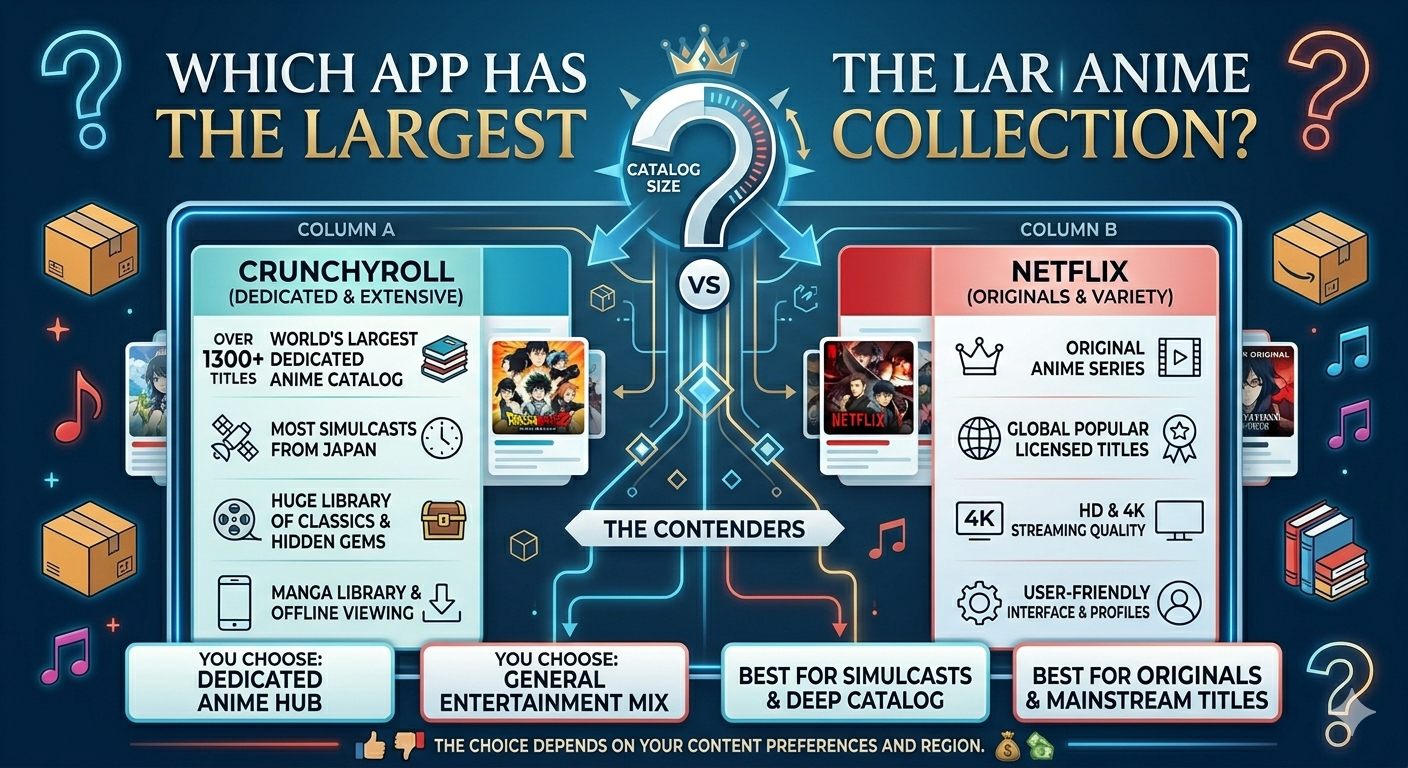
Netflix has money. More money than most countries. They conquered Hollywood. They killed cable. They turned binge-watching into a global addiction. So why does a niche anime platform still make them look small? Why do anime fans laugh when Netflix announces a new anime initiative? Can the streaming giant ever close this gap? Or is Crunchyroll's lead permanent? The answer is harsh. The answer is probably no. Let me explain why.
The Gap That Looks Like a Canyon
Why Netflix Keeps Trying
Anime is a goldmine. Global market value exceeds twenty-five billion dollars. Fans are loyal. They subscribe for years. They buy merchandise. They attend conventions. Netflix sees this. They want the revenue. They want the cultural relevance. They keep announcing anime projects. They keep licensing titles. They keep hoping.
But hoping is not a strategy. Netflix approaches anime like they approach everything else. Big budgets. Global marketing. Binge releases. This works for Stranger Things. It fails for anime. The culture is different. The rhythm is different. The fans are different. Netflix refuses to adapt. That refusal is fatal.
What "Catch Up" Actually Means
Catch up could mean library size. Crunchyroll has one thousand plus titles. Netflix has around two hundred. Catch up could mean speed. Crunchyroll simulcasts one hour after Japan. Netflix drops seasons months later. Catch up could mean community. Crunchyroll has forums, seasonal guides, and weekly buzz. Netflix has isolated viewing. By every metric, Netflix trails. By every metric, the gap widens.
Where Netflix Stands Right Now
The Current Library Reality
Netflix carries approximately two hundred anime titles. Some originals. Some licensed. Some rotated out before you finish. The selection is curated. It is not comprehensive. You will find Demon Slayer. You will not find the complete One Piece. You will find Death Note. You will not find the seasonal simulcasts that dominate fan conversation.
Originals That Made Noise
Netflix produces anime that gets attention. Castlevania won Emmys. Blue Eye Samurai earned critical praise. Devilman Crybaby shocked audiences. The production values are high. The storytelling is bold. These are genuine achievements.
Castlevania, Blue Eye Samurai, and the Hits
Castlevania proved Netflix could do mature animation right. Blue Eye Samurai showed they could blend anime style with international talent. These titles matter. They just do not matter enough. One great original per year does not close a gap of eight hundred titles. It does not replace weekly community energy. It does not build the obsessive fan culture that sustains platforms.
Where Crunchyroll Dominates
1,000+ Titles and Growing Weekly
Crunchyroll hosts over one thousand distinct anime series and films. Every genre. Every era. Every demographic. The catalog grows constantly. New licenses arrive. Old titles get restored. Seasonal simulcasts add sixty to seventy new series yearly. Netflix adds monthly. Crunchyroll adds weekly. The math is brutal.
Simulcasts: The One-Hour Miracle
Crunchyroll streams new episodes one hour after Japanese airing. With professional subtitles. Same day. Every season. Fans watch together globally. They discuss immediately. They theorize. They meme. This speed creates culture. Netflix drops full seasons months later. The conversation has already ended. The fans have already moved on.
The Free Tier That Builds Armies
Crunchyroll offers thousands of titles free with ads. New episodes arrive one week delayed. Netflix offers nothing free. Zero. The barrier to entry is massive. A curious teenager tests anime on Crunchyroll. A broke student discovers their favorite series is free. These fans become subscribers later. They become evangelists. Netflix cannot replicate this organic growth.
The Structural Problems Netflix Faces
The Binge Model Kills Anime Culture
Anime thrives on weekly anticipation. Episode discussions. Theory crafting. Meme creation. Crunchyroll feeds this perfectly. Netflix dumps full seasons at once. The conversation lasts one week. Then dies. Shows like Blue Eye Samurai get attention briefly. Then fade from memory. Weekly releases sustain energy for months. This cultural momentum builds fandom. Netflix's model destroys it.
Generalist Platform Syndrome
Netflix is everything to everyone. Anime sits next to true crime. Next to reality shows. Next to stand-up specials. It feels like an afterthought. Buried. Ignored. Crunchyroll is anime only. It breathes anime. It lives the seasonal cycle. This focus creates trust. Netflix's generalist approach alienates the very fans it wants.
Licensing vs. Originals: The Wrong Bet
Netflix prefers funding originals over licensing catalogs. Originals they control forever. Licensed content rotates. But anime fans want both. They want new productions. They also want Naruto. One Piece. Dragon Ball. The classics that built the medium. Licensing these costs fortunes. Netflix hesitates. Crunchyroll already owns them.
What Netflix Would Need to Change
Kill the Binge, Embrace the Week
Netflix would need to abandon its core model. Release anime weekly. Build episode-by-episode marketing. Create anticipation. Sustain conversation. This contradicts their entire identity. Their infrastructure. Their psychology. They will not do it. They have tried occasionally. They always retreat.
Build a Dedicated Anime Hub
Netflix would need to spin off a separate anime service. With seasonal guides. With community forums. With simulcast schedules. With anime-native curation. This would require platform redesign. New staff. New culture. New priorities. Netflix shows no interest. They want anime to fit their existing box. The box is wrong.
Buy Japanese Studios or Die Trying
Netflix could acquire production companies. Control output directly. Guarantee exclusives. But Japanese industry culture values independence. Forced acquisition could backfire creatively. Studios might resist. Talent might flee. Money opens doors. It does not guarantee loyalty.
The Money Problem
Spending More, Getting Less
Netflix spends billions on content. But anime licensing is a different game. Japanese studios charge premiums for simulcast rights. Crunchyroll has long-term relationships. Established contracts. Trust. Netflix must pay more for less access. Their money works against them. They overpay for titles that Crunchyroll gets naturally.
Why Japanese Studios Resist
Studios prefer partners who understand anime culture. Who respects the seasonal cycle. Who promotes weekly. Those who engage with fans. Netflix does none of this. They are seen as outsiders. As extractors. As a platform that takes anime but does not give back to the community. Money cannot buy reputation.
The Cultural Wall
Fifteen Years of Trust vs. Corporate Arrival
Crunchyroll built the anime streaming category. They defined simulcasting. They created the seasonal guide model. They subtitled episodes overnight when others took weeks. They earned trust through consistency. Through authenticity. Through love for the medium.
Netflix arrived late. They announced big plans. They delivered inconsistently. They treated anime like any other content vertical. Fans noticed. Fans remembered. Trust is not bought. It is earned. Netflix has not earned it.
Community Features Netflix Ignores
Crunchyroll has forums. Episode discussions. Seasonal preview guides. News articles. Convention coverage. Fan polls. Virtual watch parties. Netflix has none of this. Their interface is isolated. Silent. Anti-social. Anime is inherently social. Netflix's design contradicts the medium's DNA.
The Sony Defense
Deep Pockets Meet Anime Focus
Sony owns Crunchyroll. A tech giant with massive resources. They can defend against Netflix's spending. They can invest in expansion. They can deepen studio partnerships. They can acquire complementary services. The ownership gives Crunchyroll financial muscle without sacrificing identity.
Why Crunchyroll Keeps Accelerating
Crunchyroll is not standing still. They expand globally. They add manga and games. They produce their own originals. They deepen relationships with Japanese studios. They improve technology. They enhance subtitles. They grow while Netflix chases. The target moves faster than the arrow.
The Verdict: Possible in Theory, Impossible in Practice
The Timeline Problem
Netflix could theoretically catch up. In five years. With massive investment. With complete strategy overhaul. With cultural adaptation. But Crunchyroll grows too. They add titles weekly. They deepen moats. They expand features. Netflix must run faster just to maintain distance. The gap widens even as they chase.
The Identity Crisis
Netflix is everything to everyone. Crunchyroll is anime to anime fans. This difference is structural. Netflix cannot become Crunchyroll without abandoning their generalist model. Their shareholders would revolt. Their strategy forbids it. They are trapped by their own success.
Conclusion
Can Netflix ever catch up to Crunchyroll? Technically yes. Practically no. The gap is not just numerical. It is cultural. It is structural. It is built on fifteen years of doing one thing perfectly while Netflix does everything adequately.
Netflix will improve. They will fund more originals. They will license more hits. They will remain a solid secondary option for casual viewers. But they will not surpass Crunchyroll. Not in size. Not in speed. Not in the community. Not in trust.
The anime streaming crown is not available for purchase. It must be earned. Crunchyroll earned it. Netflix has not. The canyon remains.
FAQs
How many more titles does Crunchyroll have than Netflix? Crunchyroll hosts over one thousand distinct anime titles. Netflix carries approximately two hundred. The gap exceeds eight hundred titles and continues growing weekly.
Why doesn't Netflix release anime weekly like Crunchyroll? Netflix's entire business model is built on binge releases. Weekly episodes require different infrastructure, marketing, and community management. They have experimented occasionally but always return to full season dumps.
Could Netflix buy its way to anime dominance? Money alone cannot overcome cultural barriers. Japanese studios value relationships and trust over high bids. Netflix's generalist approach and binge model alienate these partners. Even massive spending would struggle to close the gap.
Is Crunchyroll's free tier sustainable? Yes. The free tier with ads attracts new fans who later subscribe. It builds community. It creates evangelists. The model has worked for fifteen years and continues growing under Sony ownership.
Should anime fans subscribe to both platforms? Most dedicated fans use Crunchyroll as their primary and Netflix as a supplement. Netflix offers originals worth watching. Crunchyroll offers the complete anime experience. Together, they cover most needs. Neither fully replaces the other.

 English
 Arabic
 French
 Spanish
 Deutsch
 Turkish
 Dutch
Dutch
 Italiano
 Russian
 Romaian
 Portuguese (Brazil)
 Greek
Greek