


The Science of Sulfur Element: Properties, Uses, and Natural Importance
Introduction
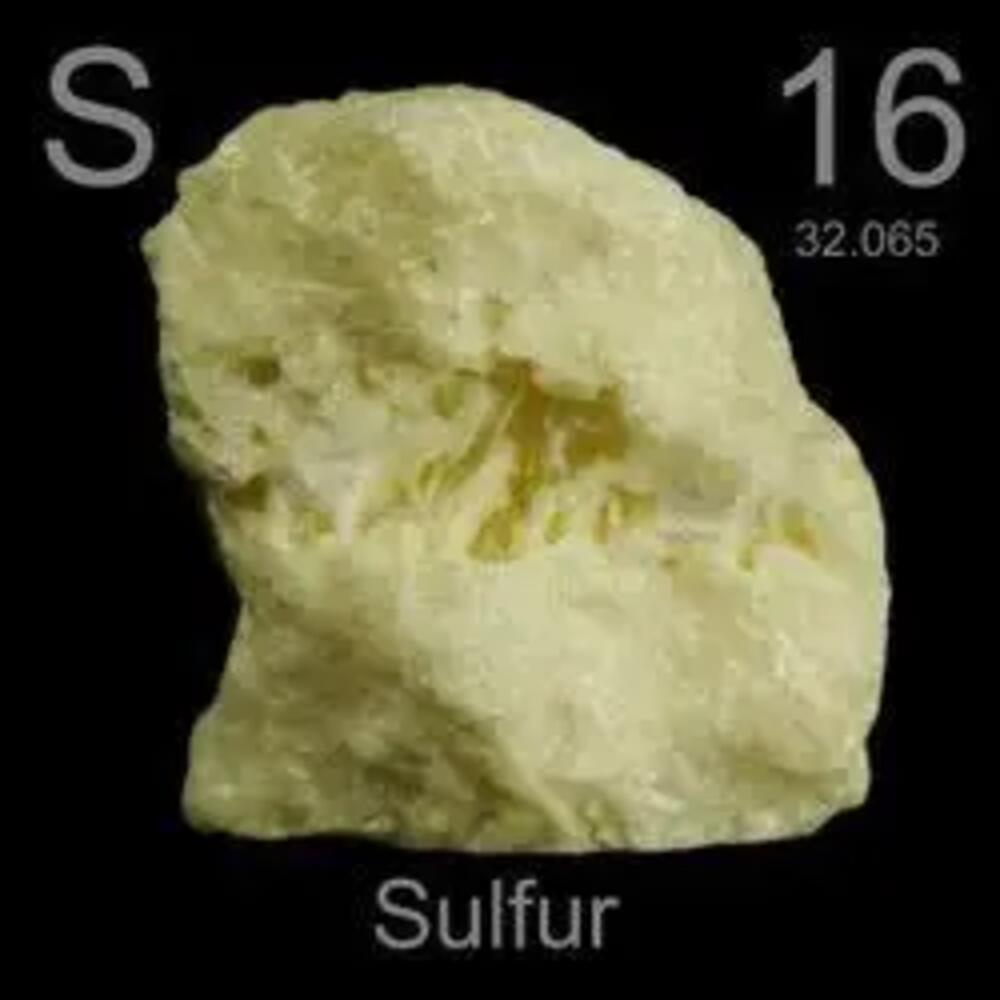
Sulfur is one of the most recognizable elements in chemistry due to its bright yellow color and strong association with volcanic activity. Although many people connect sulfur with unpleasant odors, pure sulfur is actually odorless. The smell often linked to sulfur comes from sulfur-containing compounds such as hydrogen sulfide, which produces a rotten egg-like scent.
As a naturally abundant nonmetal, sulfur has been essential in science, agriculture, medicine, and industry for thousands of years. Its unique chemical behavior and wide range of applications make it one of the most commercially important elements in the modern world.
Sulfur continues to play a major role in fertilizer production, rubber manufacturing, chemical synthesis, and even biological systems - https://belirangkalisari.id.
Basic Information About Sulfur
Sulfur is represented by the symbol S and has an atomic number of 16. It belongs to Group 16 of the periodic table, also known as the oxygen family or chalcogens. This group also includes oxygen, selenium, and tellurium. Sulfur has an atomic weight of approximately 32.06 and has been known since ancient civilizations.
Unlike many industrial materials that require complex extraction, sulfur can be found naturally as a pure element and within minerals.
Key Facts About Sulfur
- Chemical Symbol: S
- Atomic Number: 16
- Atomic Weight: 32.06
- Category: Nonmetal
- Color: Bright yellow
- State at Room Temperature: Solid
- Discovery: Known since ancient times
- Physical Properties of Sulfur
Sulfur has several unique physical characteristics that make it easy to identify and useful in industrial applications.
Yellow Appearance
Pure sulfur is famous for its pale yellow to bright yellow color. This appearance is commonly seen in volcanic deposits and refined sulfur products.
Brittle Texture
Sulfur is brittle, meaning it easily breaks or crumbles under pressure. In industrial settings, sulfur is often processed into powder, granules, or blocks depending on the intended application.
Poor Conductivity
As a nonmetal, sulfur is a poor conductor of electricity and heat. This property distinguishes it from conductive metals such as copper or aluminum.
Insoluble in Water
Sulfur does not dissolve in water, which contributes to its stability in various environmental and industrial conditions.
Melting and Boiling Points
Sulfur melts at around 115°C and boils at approximately 445°C. When heated, sulfur undergoes interesting physical changes, including shifts in color and viscosity.
Chemical Properties of Sulfur
Sulfur is highly reactive and can form compounds with both metals and nonmetals.
Multiple Oxidation States
One of sulfur’s most useful chemical traits is its ability to exist in different oxidation states, including:
- -2
- +4
- +6
This flexibility allows sulfur to form a wide range of compounds, such as:
- Sulfides
- Sulfates
- Sulfites
- Sulfuric acid
- Combustion Behavior
When sulfur burns, it produces a blue flame and forms sulfur dioxide gas:
S + O₂ → SO₂
Sulfur dioxide is an important industrial chemical used in preservation, bleaching, and chemical manufacturing.
Reaction with Metals
Sulfur reacts with many metals to form metal sulfides, including:
- Iron sulfide
- Zinc sulfide
- Copper sulfide
These compounds are commonly found in mineral ores.
Natural Occurrence of Sulfur
Sulfur is widely distributed in nature and can be found in several forms.
Elemental Sulfur Deposits
Natural sulfur deposits are commonly found near:
Volcanoes
Hot springs
Geothermal areas
Volcanic gases release sulfur compounds that later condense into solid sulfur.
Sulfide Minerals
Sulfur occurs in important minerals such as:
- Pyrite (FeS₂)
- Galena (PbS)
- Sphalerite (ZnS)
These minerals are major sources of industrial metals.
Sulfate Minerals
Sulfur is also present in sulfate minerals, including:
- Gypsum
- Barite
These minerals are widely used in construction and industrial chemistry.
Biological Importance of Sulfur
Sulfur is not only important in geology and industry but also essential for life.
It is found in amino acids such as:
- Cysteine
- Methionine
These amino acids are critical building blocks of proteins. Sulfur also contributes to enzyme function, metabolism, and cellular structure.
Plants absorb sulfur from soil in sulfate form, making sulfur an important agricultural nutrient.
Major Uses of Sulfur
Sulfur has diverse industrial applications because of its chemical versatility.
Fertilizer Production
A large percentage of sulfur is used to manufacture sulfuric acid, which is essential for phosphate fertilizer production.
Sulfur also improves soil health and supports plant growth.
Rubber Manufacturing
Sulfur is used in vulcanization, a process that strengthens rubber by improving elasticity, durability, and heat resistance.
This makes sulfur critical in tire manufacturing.
Chemical Industry
Sulfur is a key ingredient in producing:
- Sulfuric acid
- Detergents
- Industrial chemicals
- Petroleum refining products
- Pharmaceuticals and Medicine
Sulfur compounds are used in:
- Skin treatments
- Ointments
- Antiseptics
- Pharmaceutical formulations
- Food Preservation
Sulfur dioxide is widely used as a preservative in dried fruits, beverages, and food processing.
Environmental Role of Sulfur
Sulfur participates in the global sulfur cycle, moving through air, water, soil, and living organisms.
Natural sources include:
- Volcanoes
- Ocean emissions
- Decomposition
Human activities such as fossil fuel combustion also release sulfur compounds into the atmosphere.
Excess sulfur emissions may contribute to acid rain, which is why emission control technologies are important.
Conclusion
Sulfur is far more than just a yellow mineral associated with volcanic activity. It is a versatile and highly important chemical element with applications in agriculture, manufacturing, medicine, and environmental systems.
Its distinctive physical properties, reactive chemical behavior, and natural abundance make sulfur one of the most valuable nonmetals in both science and industry. From supporting plant nutrition to enabling rubber production and chemical manufacturing, sulfur remains essential to modern life and industrial development.

 Arabic
 French
 Spanish
 Portuguese
 Deutsch
 Turkish
 Dutch
Dutch
 Italiano
 Russian
 Romaian
 Portuguese (Brazil)
 Greek
Greek