


What Is Telemedicine? A Complete Guide to Modern Healthcare
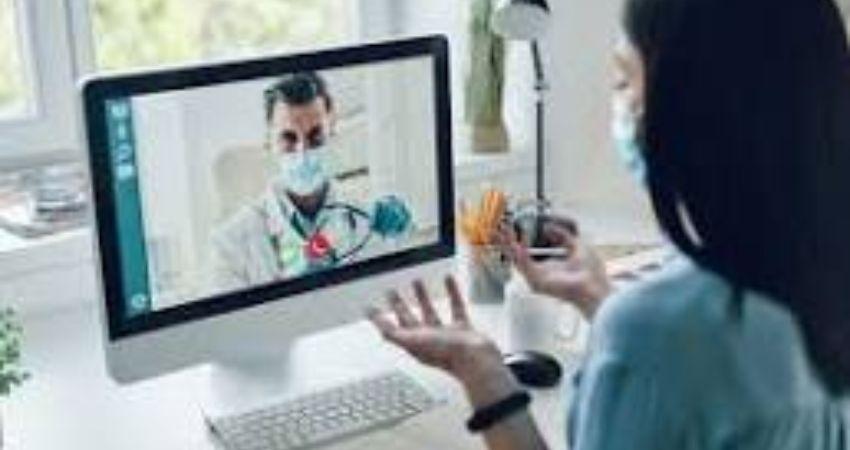
In today’s fast-paced digital world, healthcare is evolving rapidly. One of the most significant advancements is telemedicine, which has transformed how patients connect with doctors. It makes medical care more accessible, convenient, and efficient than ever before. But what exactly is telemedicine, and how does it work? Let’s explore.
What Is Telemedicine?
Telemedicine treatment refers to the use of digital communication technologies—such as smartphones, computers, and video conferencing—to deliver healthcare services remotely. Instead of visiting a clinic or hospital, patients can consult doctors online from the comfort of their homes.
This approach includes virtual consultations, remote diagnosis, follow-ups, and even monitoring of chronic conditions. It helps bridge the gap between patients and healthcare providers, especially in areas with limited medical facilities.
How Does Telemedicine Work?
The telemedicine process is simple and user-friendly. Patients can book appointments through apps or websites, select a convenient time, and connect with doctors via video calls, phone calls, or chat.
Here’s how it typically works:
- A patient schedules an online consultation
- Connects with a doctor through a secure platform
- Discusses symptoms and medical history
- Receives diagnosis, advice, or prescriptions
Some advanced systems also use wearable devices to track vital signs such as heart rate, blood pressure, and glucose levels. This allows doctors to monitor patients remotely in real time.
Types of Telemedicine
Telemedicine can be categorized into three main types:
1. Live Video (Synchronous Telemedicine)
Real-time interaction between patients and doctors via video calls. Commonly used for general consultations and specialist visits.
2. Store-and-Forward (Asynchronous Telemedicine)
Medical data such as reports, images, or test results are shared with doctors, who review them later and provide feedback.
3. Remote Patient Monitoring (RPM)
Patients use devices to record health data, which is then shared with healthcare providers for continuous monitoring.
Benefits of Telemedicine
Telemedicine offers several advantages for both patients and healthcare providers:
- Convenience: No need to travel or wait in long queues
- Accessibility: Ideal for rural and remote areas
- Cost-Effective: Reduces travel and hospital expenses
- Time-Saving: Faster consultations and follow-ups
- Safety: Minimizes exposure to infections
For individuals with mobility issues or busy schedules, telemedicine can be a major advantage.
Challenges of Telemedicine
Despite its benefits, telemedicine also has limitations:
- Limited Physical Examination: No hands-on assessment
- Technology Barriers: Requires internet access and basic digital skills
- Privacy Concerns: Potential data security risks
- Not Suitable for Emergencies: Critical conditions require in-person care
Being aware of these challenges helps patients decide when telemedicine is appropriate.
Telemedicine in India
In India, telemedicine has grown rapidly, especially after the COVID-19 pandemic. Government initiatives and digital health platforms have made online healthcare more accessible.
From metropolitan cities to smaller towns, people are increasingly using teleconsultation services for general health concerns, mental health support, and chronic disease management. Telemedicine is now a key part of India’s healthcare ecosystem.
Future of Telemedicine
The future of telemedicine looks promising, driven by advancements in technology. Innovations such as artificial intelligence (AI), machine learning, and wearable health devices are expected to make remote healthcare more accurate and personalized.
In the coming years, we can expect:
- AI-powered diagnostic tools
- Integration with electronic health records (EHR)
- Growth of virtual hospitals
- Enhanced patient monitoring systems
Conclusion
Telemedicine is revolutionizing healthcare by bringing medical services directly to patients’ fingertips. It offers convenience, accessibility, and cost savings while addressing many challenges of traditional healthcare systems.
Although it cannot fully replace in-person visits, telemedicine is a powerful complement that enhances the overall patient experience. As digital healthcare continues to evolve, telemedicine will play a crucial role in building a more connected and efficient healthcare future.

 English
 Arabic
 French
 Spanish
 Portuguese
 Deutsch
 Turkish
 Dutch
Dutch
 Italiano
 Russian
 Portuguese (Brazil)
 Greek
Greek