


Examining How Payout Cycles Work Across Various Casino Gambling Slot Machines
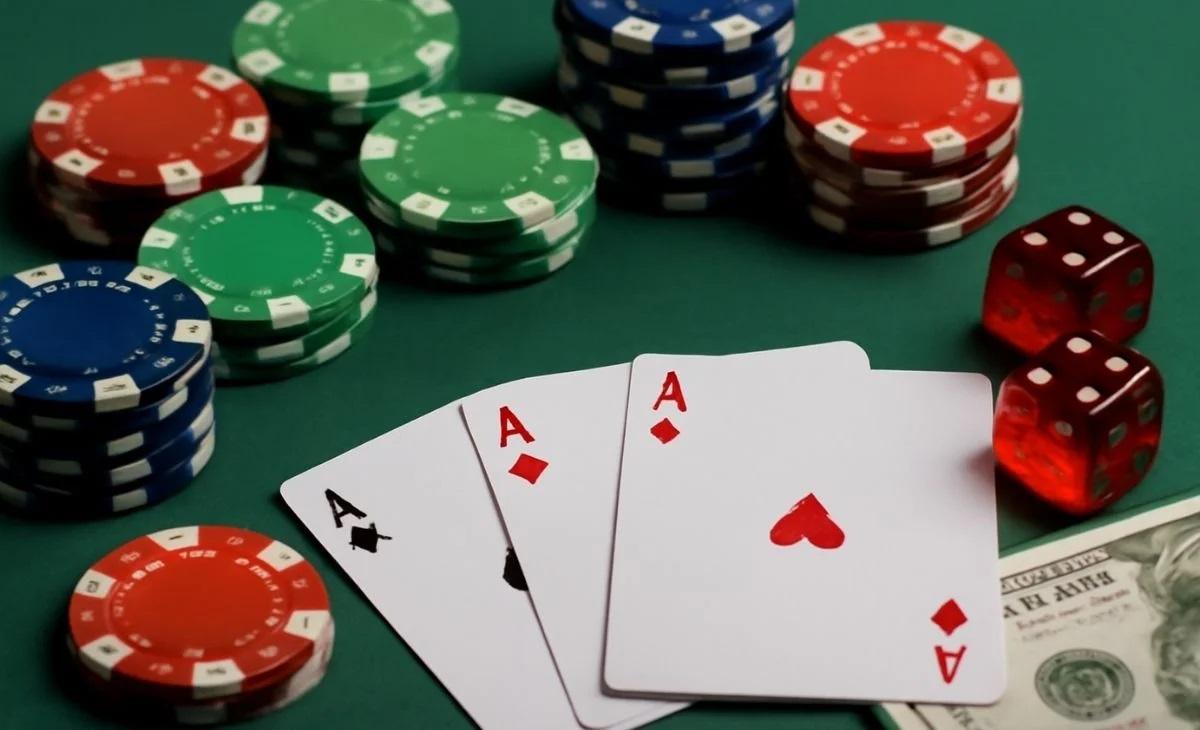
Casino slot machines are built using complex systems that decide when and how players win. Many people think wins happen randomly without any pattern, but in reality, slot machines follow structured payout cycles. These cycles are designed using computer programs called Random Number Generators (RNGs), which control the outcome of every spin. Understanding these payout cycles helps players see how different slot machines behave over time.
A payout cycle refers to the long-term pattern in which a slot machine gives back money to players. Every slot machine is programmed with a Return to Player (RTP) percentage. For example, a machine with 95% RTP is designed to return 95% of all money wagered over a very long period, while the remaining 5% is the casino’s profit. However, this does not mean a player will get back 95% of their money in one session. Instead, it happens across thousands or even millions of spins, forming a cycle that is not easily visible during short play.
Different slot machines have different payout behaviors. Some slots are designed for frequent small wins, while others give rare but large payouts. These are often called low volatility and high volatility slots. Low volatility machines create smoother payout cycles, where players may win small amounts often. High volatility machines, on the other hand, may go many spins without a win but can suddenly give a large payout. This difference makes each machine feel unique, even though they all rely on RNG systems.
The idea of payout cycles can sometimes feel confusing because results appear random in the short term. A player might win several times in a row or lose many spins without any reward. This randomness is part of the design. The machine does not “remember” previous spins, so each spin is independent. However, over a long period, the payout cycle ensures that the machine stays within its programmed RTP range. This balance keeps the system fair for both players and casinos.
Modern slot machines also use bonus features and special rounds to influence payout cycles. Free spins, multipliers, and mini-games can temporarily increase the payout rate. These features are built into the system to make gameplay more exciting while still following the overall payout structure. Even though these bonuses feel unpredictable, they are also controlled by the machine’s internal programming and are part of the long-term payout design.
Psychology also plays a big role in how players experience payout cycles. Bright visuals, sound effects, and near-win moments make players feel like they are close to winning, even when the outcome is random. This emotional design keeps players engaged and makes the payout cycle feel more dynamic than it actually is. Many players do not realize that the timing of wins is carefully structured to maintain excitement over time.
In some regions and online platforms, discussions about gambling systems also overlap with other betting games like toto togel, where people often try to understand patterns and probabilities. While slot machines and number-based games are different, both rely on mathematical systems that determine outcomes rather than pure chance in the way many players assume.
In conclusion, payout cycles in casino gambling slot machines are not simple or immediate patterns but long-term statistical systems. They are built using RTP percentages, volatility levels, and random number generators to ensure fairness and profitability. Although players may not see the cycle clearly during short gameplay, every spin contributes to a larger mathematical structure that defines how the machine behaves over time. Understanding these cycles can help players make more informed decisions and approach slot games with realistic expectations.

 English
 Arabic
 Spanish
 Portuguese
 Deutsch
 Turkish
 Dutch
Dutch
 Italiano
 Russian
 Romaian
 Portuguese (Brazil)
 Greek
Greek