


Hoka Shoes for Standing All Day: Do They Actually Work?
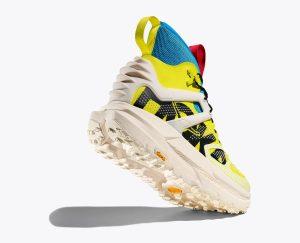
If you spend your professional life on your feet, you understand that the floor is your greatest adversary. Whether you work in a hospital, a bustling kitchen, a retail warehouse, or a busy dental office, the cumulative effect of gravity on the human body is brutal. By the middle of the afternoon, the initial comfort of your footwear often gives way to aches that travel from your heels through your ankles and into your lower back. This is why the search for the perfect work shoe is essentially a quest for professional survival.
In recent years, the conversation around comfortable footwear has shifted toward maximalist cushioning. Among the various options flooding the market, the Hoka brand has become a primary point of interest. Their shoes are instantly recognizable by their distinctively thick midsoles and unconventional geometry. But does this specific design philosophy actually translate into pain relief for someone who spends eight to twelve hours a day upright? Understanding if these shoes work requires looking past the branding and diving into the biomechanics of how our feet interact with the ground.
Understanding the Mechanics of Maximalist Cushioning
To determine if these shoes are effective for standing all day, we must first define what maximalist cushioning actually does. Traditional footwear often prioritizes being lightweight and flexible. While this feels natural, it offers very little protection against the harsh reality of concrete or tile floors. Maximalist shoes take a different approach. They provide a significant volume of foam between your foot and the ground.
The primary goal of this design is shock absorption. When you stand on a hard surface, every second you spend upright creates micro trauma in your muscles and joints. The thick midsole found in these hoka trainers acts as a dampener. It compresses under your weight, distributing the pressure that would otherwise concentrate on specific points like the heel or the ball of the foot. For many people, this redistribution of pressure is the key to preventing the end of day fatigue that makes every step feel like a chore.
However, cushioning is not a silver bullet. If the foam is too soft, your foot can feel unstable. This is where the engineering behind the shoe becomes critical. The best maximalist shoes use a high density foam that compresses enough to offer comfort but remains firm enough to provide a stable platform. This balance is what prevents the feeling of walking on a mattress, which can ironically lead to more fatigue as your stabilizing muscles work harder to keep you upright.
The Importance of Rocker Geometry
One of the defining features often associated with the Hoka design philosophy is the rocker sole. Unlike a flat shoe that relies on the flexibility of the foot to transition from heel to toe, a rocker sole is curved. It creates a smooth rolling motion that carries you forward with less effort.
While this might seem like a feature meant strictly for runners, it has significant benefits for people who stand or walk all day. Because the shoe does the work of the roll, your joints and tendons do not have to flex as aggressively. This design reduces the load on the metatarsals, which are the small bones in the front of your foot that often take the brunt of the impact during a long shift. By minimizing the amount of flexion required in the toes, these shoes help mitigate the strain that often leads to conditions like metatarsalgia or general foot soreness.
Stability and the Wide Base
Another factor that determines whether these shoes work for your specific needs is the width of the base. Many maximalist shoes feature a flared midsole. This creates a wider footprint, which inherently provides more stability. When you are tired, your posture tends to slump, and your gait can become sloppy. A shoe that provides a stable, wide base can help keep your ankles aligned.
For individuals who suffer from overpronation, where the foot rolls inward too much, this added stability is a major benefit. It keeps the foot in a more neutral position, which has a cascading effect up the kinetic chain. Proper ankle alignment helps knee alignment, which in turn helps hip and lower back alignment. Therefore, the efficacy of these shoes is not just about foot comfort, it is about maintaining structural integrity during long periods of vertical activity.
Addressing Potential Drawbacks
Despite the clear benefits, it is important to be realistic. There is no single shoe that works for every single person. Maximalist footwear is not for everyone. If you have extremely high arches or specific orthopedic conditions, the geometry of these shoes might actually cause discomfort. Because the sole is so thick, it can sometimes feel disconnected from the ground. This lack of ground feel can be disorienting for some, leading to a sense of instability for those who are used to thin, minimalist shoes.
Furthermore, the materials used in the midsole can break down over time. Even the best foam will eventually lose its structural integrity. If you are standing on concrete for fifty hours a week, the life of the shoe is significantly shorter than that of someone who wears them for light walking. You must monitor the wear pattern. If the foam starts to collapse or if you notice your foot leaning to one side, the shoe has reached the end of its life, regardless of how much cushioning it had when you first bought it.
The Transition Period
If you decide to try a pair of these shoes, do not make the mistake of wearing them for a full twelve hour shift on your very first day. Your feet, ankles, and calves need time to adapt to the new mechanics. If you have been wearing flat, thin shoes,Visit hokatrainersuk.com to check more collection of hoka. your muscles have been doing a specific type of work. Changing the platform they rest on will require them to adjust.
Start by wearing them for shorter periods. If you work long shifts, perhaps wear your old shoes for half the day and switch to the new ones for the second half for a few days. This gradual transition allows your feet to acclimate to the rocker geometry and the increased stack height. Ignoring this transition period often leads people to believe that the shoes are uncomfortable, when in reality, their muscles are simply sore from adjusting to a new way of walking and standing.
Choosing the Right Fit
The effectiveness of any shoe is heavily dependent on the fit. This seems obvious, but it is the most overlooked aspect of shoe comfort. Maximalist shoes often have a specific internal volume. You need to ensure that your toes have enough room to splay. When you stand for long periods, your feet naturally swell. If your shoes are too tight, they will pinch your toes, restricting circulation and causing numbness, regardless of how much cushioning is underneath you.
Always aim for a thumb width of space between your longest toe and the front of the shoe. If you have wide feet, seek out models that offer wide sizing options rather than trying to force your foot into a standard width. The cushioning works best when your foot is resting naturally on the footbed rather than hanging over the sides or being compressed by a narrow upper.
The Verdict
Do these shoes work for standing all day? For a vast number of people, the answer is yes. The combination of high shock absorption, rocker geometry, and a stable base creates a protective barrier between the foot and unforgiving surfaces. They are engineered to mitigate the specific stresses that come from long hours on your feet.
However, effectiveness is subjective. Success depends on your unique anatomy, the type of work you do, and your willingness to transition into the new footwear. The technology behind this type of cushioning is robust, and the results for those with tired, aching feet are often transformative. If you are struggling with daily pain, exploring this category of footwear is a logical step toward finding the relief you need to finish your shift in comfort.
Frequently Asked Questions
Are Hoka style shoes good for people with plantar fasciitis? Yes, many people find relief because the thick cushioning and rocker sole reduce the tension on the plantar fascia ligament. The design minimizes the stretching and impact that typically aggravates this condition, providing a more supportive environment for recovery.
How often should I replace these shoes for work? If you are standing on hard surfaces for long hours, the foam midsole will compress faster than in casual wear. Generally, you should look to replace them every three to six months, or as soon as you notice the foam feeling flat, collapsing, or failing to provide the same bounce it had when new.
Do these shoes make you taller? Due to the significant thickness of the midsole, these shoes will naturally increase your height by a small margin. While this is not the primary purpose of the design, it is a noticeable effect of the maximalist construction, though it does not compromise the stability of the shoe.

 English
 Arabic
 French
 Spanish
 Portuguese
 Deutsch
 Turkish
 Dutch
Dutch
 Italiano
 Russian
 Romaian
 Portuguese (Brazil)