


Heat Behavior in Coated Bakeware Systems
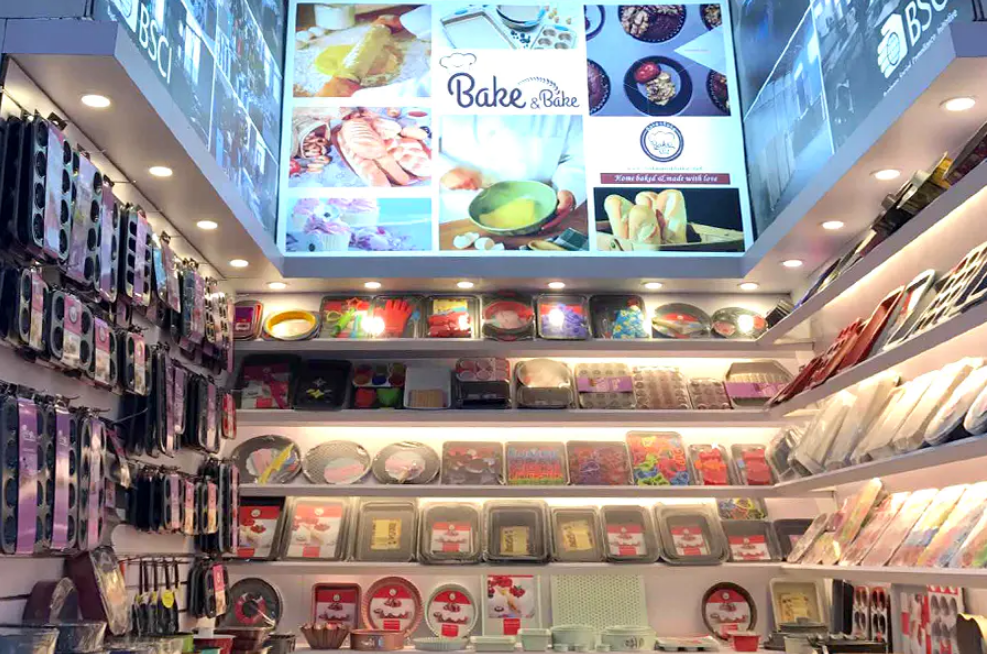
The performance of Non Stick Coating Bakeware depends not only on the coating itself but also on the underlying metal substrate and heat transfer behavior.
Most bakeware is constructed using:
Carbon steel base (thickness: 0.6 mm – 1.2 mm)
Aluminum core or coating layer for thermal balance
Multi-layer surface coating system
Carbon steel has a thermal conductivity of approximately 50 W/m·K, which is lower than aluminum but provides more even heat retention. Aluminum, by contrast, can reach 200 W/m·K, allowing faster heat response.
When combined with non-stick coatings, the system creates a balanced heat distribution model:
Metal layer distributes heat
Coating layer prevents food adhesion
Air gap micro-structures reduce direct bonding
Advanced bakeware coatings may also include heat-resistant binders capable of withstanding continuous exposure up to 400°C without structural breakdown.
In engineering terms, the coating reduces surface adhesion energy while maintaining thermal transfer efficiency above 85–90% of bare metal performance.
This balance is critical in baking applications where both browning control and release efficiency are required, such as pastries, sponge cakes, and roasted tray meals.

 Arabic
 French
 Spanish
 Portuguese
 Deutsch
 Turkish
 Dutch
Dutch
 Italiano
 Russian
 Romaian
 Portuguese (Brazil)
 Greek
Greek