


Field Installation Guide for Electrical Cable Protection
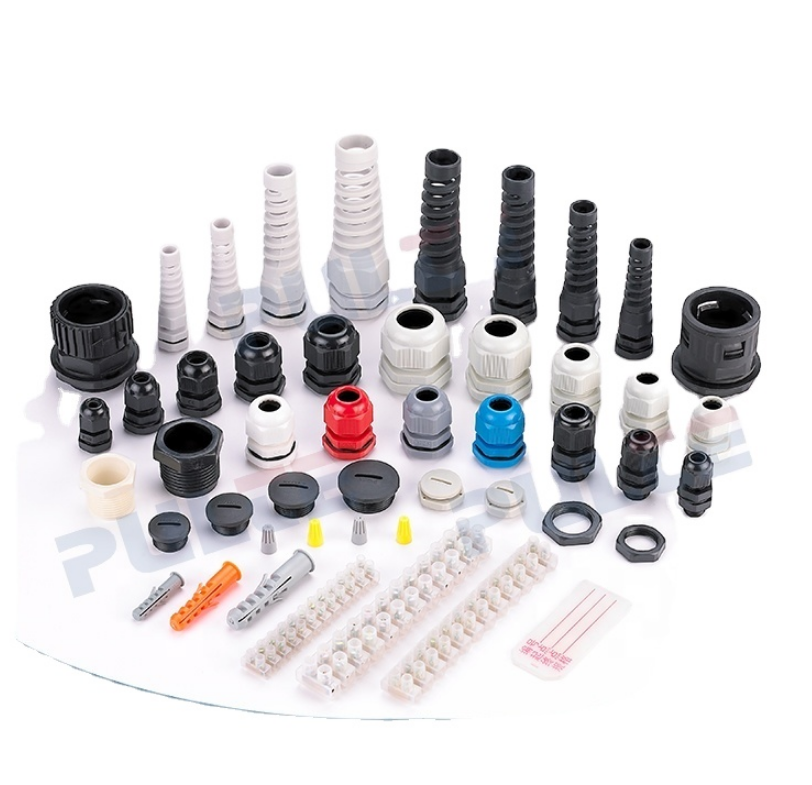
When installing electrical systems in outdoor or semi-exposed environments, proper cable sealing is critical. The Metal Cable Gland is commonly used by technicians to ensure safe and secure cable entry into equipment housings.
Before installation, technicians measure the cable outer diameter accurately. For example, a 4-core 2.5 mm² cable typically has an outer diameter of around 10–11 mm, which would require an M20 gland size.
Installation steps usually include inserting the cable through the gland body, tightening the compression seal, and securing the locknut onto the enclosure panel. Proper tightening ensures that the sealing rubber compresses evenly, preventing dust or moisture ingress.
Metal cable glands are particularly useful in outdoor installations where temperature variation can be extreme. In some regions, ambient temperatures may vary from -30°C during winter to +60°C in summer. Stainless steel glands maintain structural stability across this range without deformation.
Ingress protection is another important factor. IP67 and IP68-rated Metal Cable Glands are frequently used in lighting systems, traffic control cabinets, and solar power installations.
In addition, grounding capability is essential when working with armored cables. The metallic structure of the gland allows electrical continuity between cable armor and enclosure grounding systems, improving safety in case of electrical faults.
Field experience shows that correct installation of Metal Cable Gland significantly reduces system failures caused by moisture ingress, cable loosening, or mechanical stress damage.

 English
 Arabic
 French
 Spanish
 Portuguese
 Turkish
 Dutch
Dutch
 Italiano
 Russian
 Romaian
 Portuguese (Brazil)
 Greek
Greek