


Mechanical Properties of Nylon Zipper Tape Explained
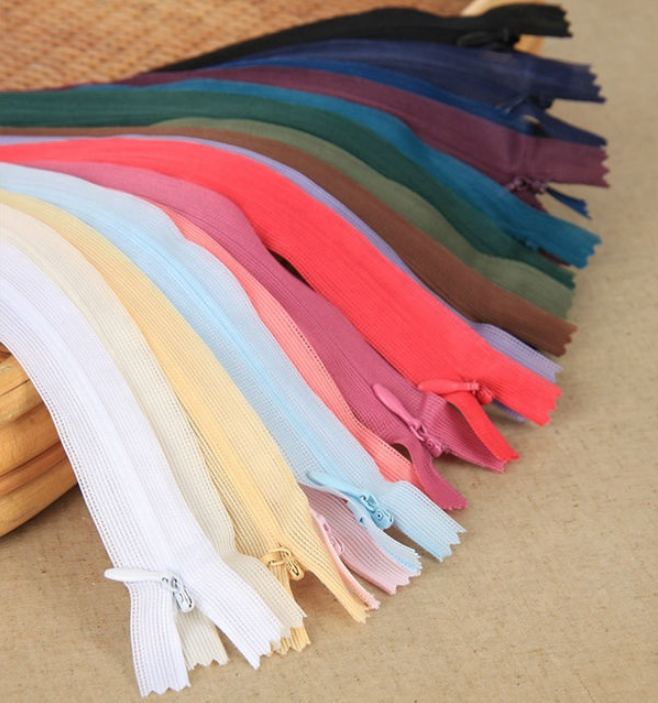
Nylon zipper tape is engineered to perform under repeated mechanical stress while maintaining dimensional stability. Its performance is determined by fiber composition, weave density, coating treatment, and attachment method to zipper elements.
One of the most important mechanical properties is tensile strength. Depending on construction, nylon zipper tape can typically withstand loads between 200N and 600N, making it suitable for both lightweight and heavy-duty applications. The strength is directly influenced by yarn denier and weave pattern, with tighter weaves providing greater resistance to tearing.
Elongation behavior is another key parameter. Nylon zipper tape generally exhibits elongation rates of 10% to 25% under load, allowing it to absorb mechanical stress without sudden failure. This elasticity helps maintain seam integrity during repeated zipper cycling.
Fatigue resistance is critical for products that undergo frequent use. Testing often simulates thousands of open-close cycles, where the tape must maintain its structural alignment with minimal fraying or distortion. In industrial testing environments, high-quality constructions are expected to maintain functionality beyond 10,000 cycles under standard load conditions.
Thermal performance also plays a role in real-world applications. Nylon zipper tape maintains stability across moderate temperature ranges but may experience softening at elevated heat levels. This is why heat-setting during production is carefully controlled, typically around 180°C to 200°C, to stabilize fiber structure.
Abrasion resistance is enhanced through finishing treatments. Some tapes are coated with anti-fray or silicone-based compounds that reduce surface wear when sliding against fabric or hardware. This is especially important in outdoor gear and automotive interiors.
Moisture behavior is relatively stable due to synthetic fiber composition. Nylon zipper tape does not absorb water significantly, which helps maintain consistent mechanical properties even in humid or wet environments.
Overall, the engineering of nylon zipper tape involves balancing flexibility and strength, ensuring that it performs reliably in dynamic mechanical systems.

 English
 Arabic
 French
 Spanish
 Portuguese
 Deutsch
 Dutch
Dutch
 Italiano
 Russian
 Romaian
 Portuguese (Brazil)
 Greek
Greek