


Electrosurgery vs Surgical Excision: Riyadh Lesion Removal Methods Compared
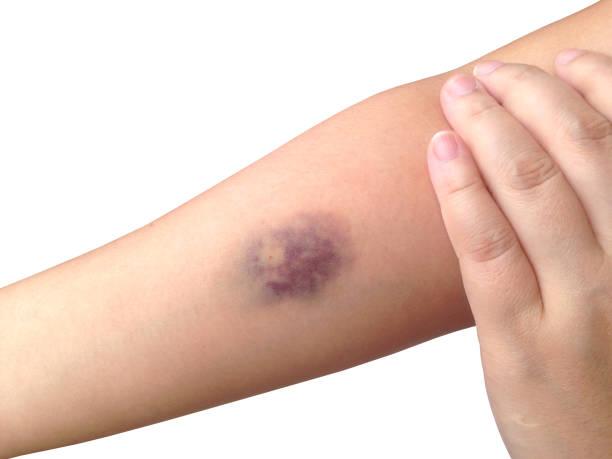
When it comes to skin lesion removal in Riyadh, patients have multiple treatment options, each with its own advantages and considerations. Two of the most commonly chosen methods are electrosurgery and surgical excision. Understanding the differences between these techniques can help you make an informed decision for safe and effective lesion removal.
Understanding Skin Lesions
A skin lesion is an abnormal change in the skin’s structure, which can include growths, lumps, or discolorations. While many skin lesions are harmless, some may require removal for medical or cosmetic reasons. The right treatment method depends on the lesion’s size, type, and location, as well as patient preferences and medical advice.
What is Electrosurgery?
Electrosurgery involves the use of high-frequency electrical currents to remove skin lesions. The electrical current precisely targets the affected area, allowing the lesion to be removed or destroyed while minimizing damage to surrounding tissue. Electrosurgery is commonly used for smaller lesions, including warts, moles, and certain benign growths.
Pros of Electrosurgery
-
Minimally invasive: No large incisions are required.
-
Quick procedure: Electrosurgery sessions are often completed within minutes.
-
Controlled precision: The electrical current allows accurate targeting of the lesion.
-
Minimal bleeding: The heat generated helps coagulate blood vessels during removal.
Cons of Electrosurgery
-
Limited to smaller lesions: Large or deep lesions may require alternative methods.
-
Possible recurrence: Some lesions may grow back if not completely removed.
-
Requires professional skill: Precision is critical to avoid scarring or incomplete removal.
What is Surgical Excision?
Surgical excision is a traditional method involving the physical cutting out of the lesion with a scalpel, often followed by suturing to close the wound. This method is frequently recommended for larger, deeper, or potentially malignant lesions where complete removal is essential for both treatment and diagnostic purposes.
Pros of Surgical Excision
-
Complete removal: Highly effective for larger or deep lesions.
-
Diagnostic advantage: Excised tissue can be sent for lab analysis to confirm the nature of the lesion.
-
Long-lasting results: Lower risk of recurrence compared to less invasive methods.
-
Versatility: Suitable for almost all types of skin lesions.
Cons of Surgical Excision
-
Invasive: Requires local anesthesia and suturing.
-
Longer recovery: Healing can take longer compared to minimally invasive techniques.
-
Scarring potential: Incisions may leave noticeable marks depending on size and location.
Which Method is Right for You?
Choosing between electrosurgery and surgical excision depends on the lesion’s characteristics, your personal preferences, and professional medical advice. Electrosurgery is ideal for smaller, cosmetic-focused lesions where minimal downtime is desired. Surgical excision is often preferred when complete removal and tissue analysis are essential.
Consultation and Expert Care
For those considering skin lesion removal in Riyadh, consulting an experienced clinic is crucial. At Enfield Royal Clinic, expert dermatologists provide personalized assessments to determine the most suitable treatment method for your lesion. During your consultation, the medical team will evaluate your skin condition, discuss procedure options, and guide you toward safe, effective removal tailored to your needs.

 English
 Arabic
 French
 Spanish
 Portuguese
 Turkish
 Dutch
Dutch
 Italiano
 Russian
 Romaian
 Portuguese (Brazil)
 Greek
Greek