


Exploring Friction on Ice and Snow
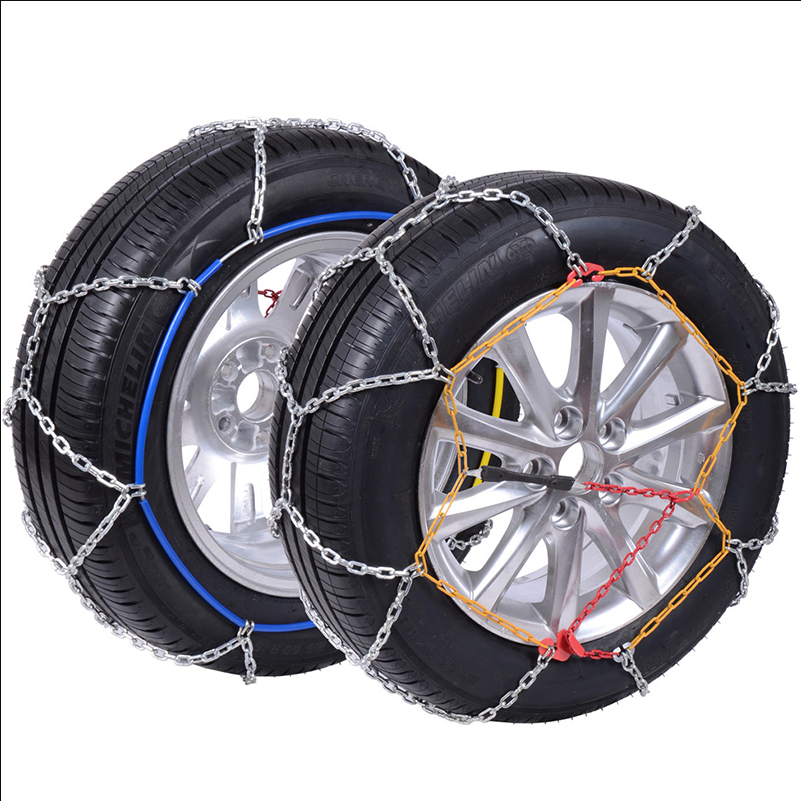
Understanding why vehicles slip on snow and ice helps explain the need for specialized equipment. The issue is not just reduced friction, but also the way surfaces interact under pressure and temperature changes.
When temperatures drop, standard rubber becomes less flexible, reducing its ability to grip uneven surfaces. This is where Winter Traction Tires come into play. Their composition allows them to remain pliable, increasing contact with the road and improving stability.
Another factor is surface texture. Snow and ice create smooth layers that limit traction. Vehicle Tire Chains address this by introducing a rough, mechanical interface. The metal links concentrate pressure on smaller نقاط, allowing them to dig into the surface. Some discussions even suggest that this pressure can slightly melt ice at contact points, enhancing grip .
Additionally, tread patterns play a role in dispersing snow and water. Tires designed for winter conditions often include deeper grooves and small cuts that help maintain contact. Chains, on the other hand, do not rely on tread design but instead create external traction.
From a physics perspective, both solutions aim to increase friction but achieve it differently. Tires improve adhesion, while chains enhance mechanical interaction with the surface.
This combination of science and engineering explains why many drivers consider both tools essential, depending on the severity of conditions.

 English
 French
 Spanish
 Portuguese
 Deutsch
 Turkish
 Dutch
Dutch
 Italiano
 Russian
 Romaian
 Portuguese (Brazil)
 Greek
Greek