


Complete Guide to Planning a Home with a North Side Entrance
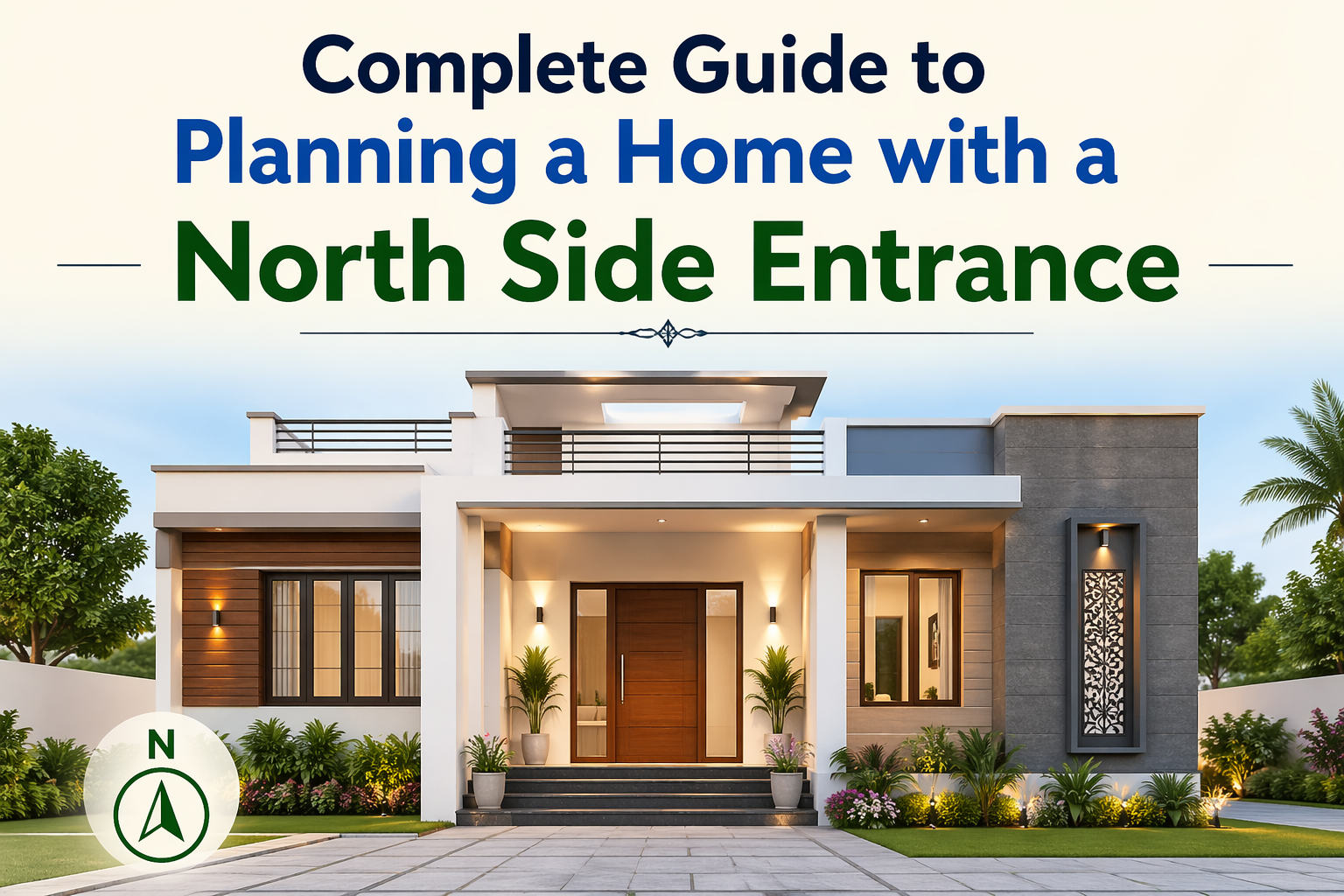
A home with a north side entrance is often linked with financial growth, clarity, and steady progress when planned correctly. In traditional design practices, the north direction is associated with opportunities and movement. However, results depend on how well the layout, rooms, and entrance are positioned. A thoughtful plan can help maintain balance and avoid common design mistakes.
This guide breaks down practical ideas to help you plan a home with a north-facing entrance while keeping functionality and comfort in mind.
Understanding the Importance of a North Entrance
A north-facing entrance is considered beneficial because it allows consistent light and a welcoming flow into the home. The direction is often linked with career growth and new opportunities. Still, these outcomes depend on correct placement and structure.
In many discussions around North Facing House Vastu Secrets, experts highlight that the entrance location should not be randomly placed along the north wall. The exact position matters. A slightly shifted entrance toward the northeast is often preferred over the northwest section, as it supports better energy flow and reduces imbalance.
Apart from the door position, the surrounding space should remain clean and open. Avoid clutter near the entrance, as it blocks movement and creates a heavy feel. A well-lit entry area adds a sense of openness and makes the home more inviting.
Entrance Placement and Design Rules
The entrance is the most critical element of a north-facing home. Its placement and design directly affect how the house feels and functions.
Key Entrance Planning Tips
- The main door should be slightly towards the northeast zone
- Keep the entrance larger than the internal doors for better visual balance
- Use strong, high-quality materials for durability and stability
A clean threshold and proper lighting near the entrance create a welcoming environment. Avoid placing shoe racks or dustbins directly in front of the main door, as this can affect both appearance and functionality.
Living Room and Common Area Layout
The living room is where most activities take place, so its positioning should support openness and interaction. In a north-facing home, placing the living area toward the northeast or north zone works well.
Large windows on the north side allow natural light to enter without excessive heat. Furniture should be arranged to keep the center space open, allowing easy movement.
Smart Living Room Setup
- Place heavy furniture like sofas along the south or west walls
- Keep the center area open for better circulation
- Use light colors to maintain brightness and space
Avoid blocking windows with bulky furniture, as this reduces light and creates a closed-off feeling.
Kitchen Placement for Better Balance
The kitchen plays a key role in maintaining balance within the home. For a north-facing entrance house, the southeast direction is often considered suitable for the kitchen.
Cooking platforms should ideally face east, allowing a natural working flow. Storage units can be placed along the south or west walls for better organization.
Avoid placing the kitchen in the northeast zone, as it can disrupt the overall layout. Keeping the kitchen well-ventilated is equally important for comfort and hygiene.
Bedroom Positioning for Comfort
Bedrooms should provide rest and privacy. In a north-facing home, the southwest direction is often preferred for the master bedroom. This placement adds stability and a sense of security.
Children’s rooms can be placed in the west or northwest zones. Guest rooms work well in the northwest area, offering convenience without affecting the main living spaces.
Beds should be positioned so that the head faces south or east while sleeping. Avoid placing mirrors directly opposite the bed, as it can feel distracting.
Bathroom and Utility Space Planning
Bathrooms and utility areas should be planned carefully to avoid disrupting the layout. In a north-facing home, the northwest or west directions are generally suitable for bathrooms.
Practical Bathroom Placement Tips
- Keep bathrooms away from the northeast zone
- Ensure proper drainage and ventilation systems
- Use neutral colors to maintain a clean appearance
Utility areas like laundry or storage rooms can be placed in the west or south zones. Proper planning helps maintain order and avoid unnecessary clutter.
Staircase and Structural Elements
If the home includes multiple floors, the staircase placement becomes important. The southwest or south direction is often considered suitable for staircases.
Staircases should not be placed in the center of the house, as it disrupts movement. A clockwise upward direction is generally preferred for ease of use.
Heavy structures like storage units or large furniture should be placed in the south or west areas to maintain balance within the home.
Open Spaces and Natural Light
Open spaces play a key role in maintaining a comfortable environment. A north-facing home benefits from steady natural light, so windows and open areas should be planned accordingly.
Balconies or small gardens in the north or east zones help improve airflow and create a refreshing atmosphere. Avoid overloading these areas with heavy items, as it reduces openness.
Indoor plants can be used to add freshness and improve the overall feel of the space. Keep them near windows or in well-lit areas for better results.
Common Mistakes to Avoid
Many homeowners make simple planning errors that affect the overall layout. Avoiding these mistakes can make a significant difference.
Placing heavy structures in the north zone can block light and reduce openness. Similarly, clutter near the entrance creates a negative first impression.
Ignoring ventilation and lighting leads to discomfort over time. A well-planned layout always considers airflow, light, and movement together.
Final Thoughts
Planning a home with a north side entrance requires attention to detail and thoughtful placement of each element. From the entrance to room positioning, every decision contributes to how the space feels and functions.
A balanced approach that combines design, comfort, and direction-based planning leads to better results. By focusing on structure, openness, and proper layout, you can create a home that feels practical, comfortable, and visually appealing.

 English
 Arabic
 French
 Spanish
 Portuguese
 Deutsch
 Turkish
 Dutch
Dutch
 Italiano
 Russian
 Romaian
 Portuguese (Brazil)