


A Complete Guide to Choosing the Best Heat Rejection Film for Home
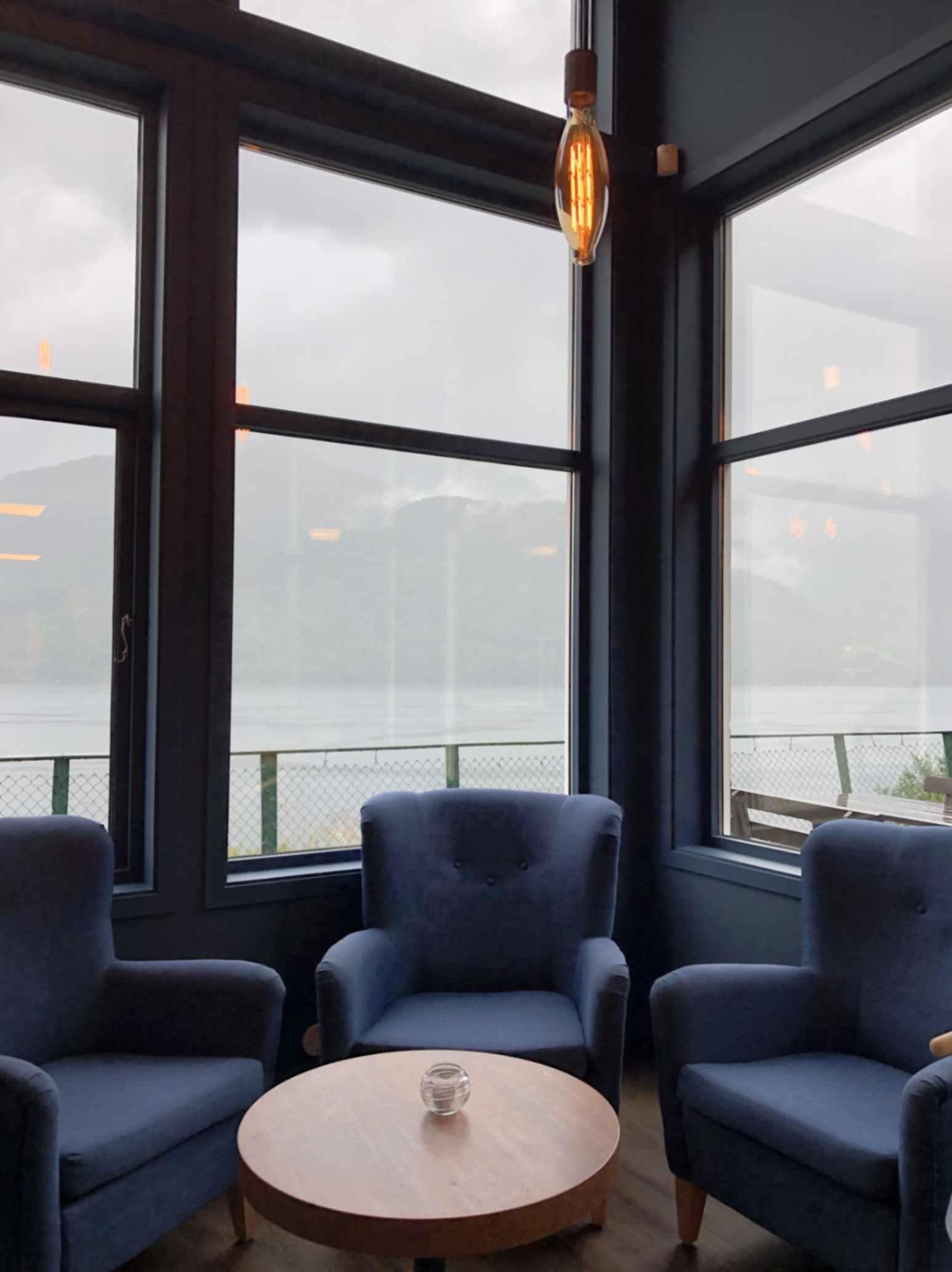
Creating a comfortable and energy-efficient living space is a priority for many homeowners. One of the most effective ways to achieve this is by installing heat rejection film for home on your windows. This simple upgrade can significantly reduce indoor heat, protect interiors, and improve overall comfort without major renovations.
Understanding Heat Rejection Films
Heat rejection films are thin layers applied to glass surfaces that help control the amount of heat entering your home. These films are designed using advanced materials that reflect or absorb solar energy, reducing heat buildup inside rooms.
How Heat Rejection Films Work
These films function by filtering sunlight. They allow natural light to pass through while blocking harmful ultraviolet rays and infrared heat. This balance helps maintain brightness indoors without the unwanted heat.
Key Benefits
-
Reduces indoor temperature
-
Protects furniture from fading
-
Improves energy efficiency
-
Enhances privacy
-
Reduces glare
Why You Need Heat Rejection Film at Home
Many homes experience excessive heat, especially in areas with strong sunlight. This not only causes discomfort but also increases reliance on air conditioning, leading to higher energy bills.
Improved Comfort
Rooms with direct sunlight can become uncomfortably warm. Heat rejection films help stabilize indoor temperatures, making living spaces more enjoyable.
Energy Savings
By reducing heat gain, these films lessen the need for constant cooling. Over time, this results in noticeable savings on electricity bills.
UV Protection
Prolonged exposure to UV rays can damage furniture, flooring, and even artwork. Heat rejection films block up to 99% of these harmful rays.
Types of Heat Rejection Films
Choosing the right type of film depends on your specific needs and preferences. Each type offers unique features.
Dyed Films
These films absorb heat and reduce glare. They are cost-effective but may not offer the highest level of heat rejection.
Metalized Films
Made with microscopic metal layers, these films reflect heat efficiently. They are durable and provide excellent performance but may interfere with electronic signals.
Ceramic Films
Ceramic films are considered premium options. They offer superior heat rejection without affecting visibility or signals. They are also long-lasting and highly efficient.
Hybrid Films
These combine dyed and metalized technologies, offering a balance between performance and affordability.
Factors to Consider Before Choosing
Selecting the right film involves more than just picking a type. Several factors should guide your decision.
Climate Conditions
If you live in a hot region, choose films with higher heat rejection capabilities. For moderate climates, a balanced option may suffice.
Window Orientation
Windows facing direct sunlight require stronger films compared to shaded areas.
Visible Light Transmission
This refers to how much light passes through the film. If you prefer brighter interiors, opt for films with higher light transmission.
Aesthetic Appeal
Some films have a reflective or tinted appearance. Choose one that complements your home’s exterior and interior design.
Budget
Costs vary depending on the type and quality of the film. While premium options may have a higher upfront cost, they often provide better long-term value.
Installation Process
Proper installation is crucial for achieving the best results. While DIY kits are available, professional installation ensures precision and durability.
Steps Involved
-
Cleaning the glass thoroughly
-
Measuring and cutting the film
-
Applying the film with a solution
-
Removing air bubbles
-
Allowing time for curing
Professional vs DIY
-
DIY is cost-effective but requires skill and patience
-
Professional installation ensures a flawless finish and longer lifespan
Maintenance Tips
Heat rejection films are low maintenance, but proper care extends their life.
Cleaning Guidelines
-
Use soft cloths or sponges
-
Avoid abrasive materials
-
Use mild cleaning solutions
Longevity
High-quality films can last between 10 to 15 years with proper care.
Common Mistakes to Avoid
Choosing or installing heat rejection film without proper knowledge can lead to unsatisfactory results.
Ignoring Film Quality
Low-quality films may fade, peel, or bubble over time. Always invest in reliable options.
Incorrect Installation
Improper application can cause air bubbles and uneven surfaces.
Overlooking Warranty
A good warranty reflects product reliability and gives peace of mind.
Comparing Heat Rejection Film with Other Solutions
Many homeowners consider alternatives such as curtains, blinds, or tinted glass.
Curtains and Blinds
These can block sunlight but also reduce natural light and visibility.
Tinted Glass
While effective, it is expensive and permanent compared to removable films.
Heat Rejection Film Advantage
Films provide a balance of efficiency, affordability, and flexibility.
Environmental Impact
Using heat rejection films contributes to a greener lifestyle.
Reduced Energy Consumption
Less reliance on air conditioning lowers energy usage.
Lower Carbon Footprint
Reduced energy demand means fewer emissions, benefiting the environment.
Cost vs Value
While initial costs may vary, the long-term benefits often outweigh the investment.
Upfront Cost
Depends on film type, size of windows, and installation method.
Long-Term Savings
Energy savings, reduced maintenance, and extended lifespan of interiors add value over time.
How to Choose the Best Option
To make the right choice, consider your priorities.
For Maximum Heat Reduction
Choose ceramic or metalized films.
For Budget-Friendly Solutions
Dyed or hybrid films are suitable.
For Aesthetic Appeal
Select films that match your home design while maintaining functionality.
Signs You Need Heat Rejection Film
If you notice any of the following, it may be time to install window film:
-
Rooms becoming too hot during the day
-
High energy bills
-
Fading furniture or curtains
-
Excessive glare on screens
Future Trends in Window Films
Technology continues to improve the performance of window films.
Smart Films
These can adjust transparency based on light or temperature.
Eco-Friendly Materials
New materials are being developed to enhance sustainability and efficiency.
Final Thoughts
Choosing the right heat rejection film is a smart investment for comfort, efficiency, and protection. By understanding your needs and evaluating available options, you can make an informed decision that enhances your living space. Whether you prioritize energy savings, aesthetics, or durability, the right solution can transform your home environment. As you explore your options, consider how solar film for home can complement your goals and provide lasting benefits for years to come.

 English
 Arabic
 French
 Portuguese
 Deutsch
 Turkish
 Dutch
Dutch
 Italiano
 Russian
 Romaian
 Portuguese (Brazil)
 Greek
Greek