


Crowded Teeth Treatment: Comparing Different Alignment Techniques
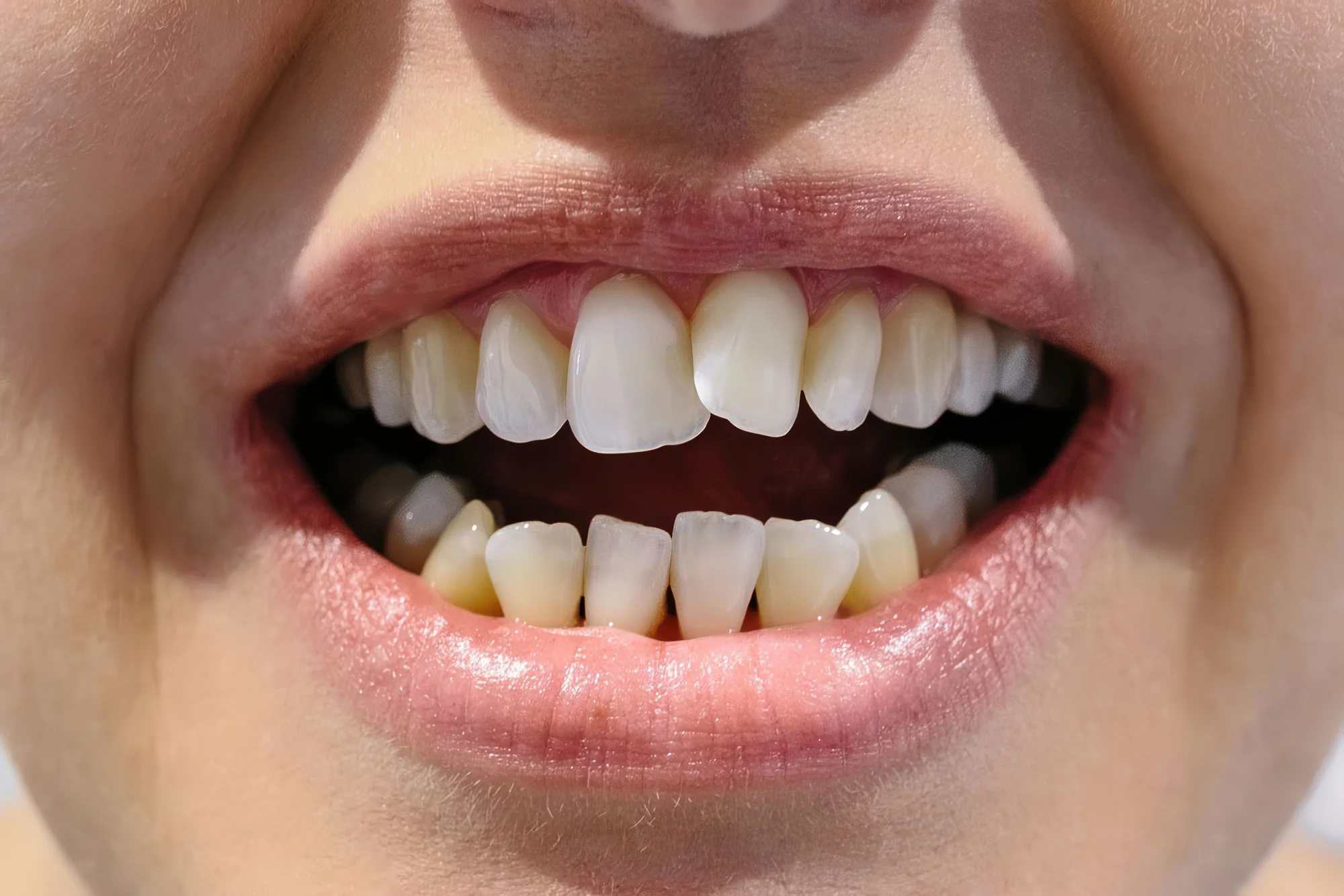
Crowded teeth treatment is not a single fixed procedure—it is a collection of alignment techniques designed to solve the same problem: lack of space in the dental arch leading to overlapping, rotation, and misalignment of teeth. What works best for one patient may not be ideal for another, which is why orthodontic planning focuses on comparing techniques rather than promoting a universal solution.
Crowded Teeth Treatment In Dubai, or malocclusion, varies in severity, age of the patient, jaw structure, and oral health condition. Because of this variability, orthodontists choose from multiple alignment systems such as clear aligners, traditional braces, ceramic braces, lingual braces, and self-ligating systems. Each technique has its own strengths, limitations, and clinical use cases.
Understanding these differences helps patients make informed decisions and sets realistic expectations about results, comfort, and treatment duration.
Clear Aligners: Digital Precision with Aesthetic Freedom
Clear aligners are one of the most popular modern approaches in crowded teeth treatment, especially for mild to moderate cases. These transparent trays are custom-designed using digital scans and 3D treatment planning software.
The key advantage of aligners is aesthetics. They are nearly invisible, removable, and designed for comfort. Patients can eat normally and maintain oral hygiene more easily compared to fixed appliances. Each aligner set gradually shifts teeth into alignment based on a pre-planned digital sequence.
However, aligners rely heavily on patient compliance. They must be worn for 20–22 hours per day to be effective. Missing wear time can delay progress or reduce treatment accuracy. Aligners are best suited for patients with mild crowding, minor spacing issues, or limited bite complexity.
Traditional Metal Braces: Maximum Control for Complex Cases
Metal braces remain the most widely used and clinically powerful technique in orthodontics. They consist of brackets bonded to teeth and connected by archwires that apply continuous, controlled force.
In crowded teeth treatment, braces are particularly effective for moderate to severe misalignment. They allow precise control over tooth movement in multiple directions, including rotation, vertical alignment, and bite correction.
Unlike removable systems, braces work 24/7 without patient compliance affecting results. This makes them highly reliable for complex orthodontic cases. However, they require careful oral hygiene and dietary restrictions, as certain foods can damage brackets or wires.
Despite being less aesthetic than newer options, metal braces remain the gold standard for complex crowding correction due to their predictability and strength.
Ceramic Braces: Aesthetic Alternative with Similar Functionality
Ceramic braces function similarly to metal braces but use tooth-colored or transparent brackets that blend with natural teeth. This makes them a more aesthetically appealing option for patients concerned about appearance during crowded teeth treatment.
They are effective for mild to moderate crowding and, in some cases, more complex misalignment. Ceramic braces offer the same level of control as metal braces but with reduced visibility.
However, they can be slightly more fragile and may require more careful maintenance. They may also take marginally longer in some cases due to increased friction between components. Despite these limitations, they are widely chosen by adults seeking a balance between appearance and effectiveness.
Lingual Braces: Hidden Orthodontics Behind the Teeth
Lingual braces are a specialized technique where brackets are placed on the inner surface of teeth, making them completely invisible from the outside. This makes them one of the most discreet fixed orthodontic options available.
In crowded teeth treatment, lingual braces are used for patients who require strong corrective force but do not want visible appliances. They are effective for moderate to severe cases and offer full control similar to traditional braces.
However, they require a longer adaptation period. Patients may experience initial speech difficulty or tongue irritation. They are also more complex to clean and adjust, which can increase treatment costs and maintenance effort.
Despite these challenges, lingual braces are highly valued for combining invisibility with full orthodontic power.
Self-Ligating Braces: Reduced Friction and Faster Adjustments
Self-ligating braces are an advanced version of traditional braces that use specialized clips instead of elastic bands to hold the archwire in place. This reduces friction and allows teeth to move more freely.
In crowded teeth treatment, this system can improve efficiency and potentially reduce treatment time in certain cases. It also requires fewer adjustment visits, making it more convenient for patients with busy schedules.
Self-ligating braces are available in both metal and ceramic variations, offering flexibility in both aesthetics and function. They are particularly useful for moderate crowding and cases requiring smoother, continuous tooth movement.
Palatal Expanders: Creating Space Before Alignment Begins
In some crowded teeth cases, especially in younger patients, the primary issue is insufficient jaw width rather than tooth positioning alone. Palatal expanders are used to widen the upper jaw and create additional space.
This technique is often used before or alongside other alignment methods like braces or aligners. By expanding the arch, orthodontists can reduce the need for tooth extraction and simplify overall treatment.
Palatal expansion is most effective during growth phases, making it more common in children and teenagers. It plays a foundational role in preparing the mouth for further orthodontic correction.
Tooth Extraction Approach: Creating Space in Severe Crowding
In severe crowded teeth treatment, space limitation can be too significant for non-extraction methods alone. In such cases, orthodontists may recommend removing one or more teeth—usually premolars—to create adequate space for alignment.
While this approach may sound aggressive, it allows for proper alignment of remaining teeth and improves long-term stability. After extraction, braces or aligners are used to reposition teeth into optimal alignment.
This technique is carefully planned and only used when necessary. It is most common in cases with extreme crowding or skeletal limitations where other methods cannot achieve stable results.
Accelerated Orthodontics: Speeding Up Alignment Results
Accelerated orthodontic techniques are designed to reduce treatment time by enhancing the biological response of teeth and bone. These may include vibration devices, micro-osteoperforation, or laser-assisted procedures.
In crowded teeth treatment, these methods are sometimes used alongside braces or aligners to speed up tooth movement. While they do not replace orthodontic systems, they can enhance efficiency in selected cases.
These techniques are particularly appealing to patients seeking faster results, although their effectiveness varies depending on individual biological response and case complexity.
Key Comparison Insights: How Techniques Differ in Real Practice
When comparing alignment techniques, several patterns become clear. Clear aligners offer aesthetics and comfort but depend heavily on discipline. Traditional braces provide maximum control and are ideal for complex cases. Ceramic braces and lingual braces focus on aesthetics while maintaining corrective strength. Self-ligating systems improve efficiency, while expanders and extraction methods address structural limitations.
Each technique is not competing but complementary. Orthodontists often combine multiple approaches within a single treatment plan to achieve the best outcome for crowded teeth correction.
Choosing the Right Technique: What Actually Matters Most
The “best” alignment technique is not universal—it depends on diagnostic findings, including crowding severity, bite condition, jaw structure, and patient lifestyle. Age, oral hygiene habits, and aesthetic preferences also influence the decision.
A mild case in an adult may be ideal for clear aligners, while a severe skeletal crowding case may require braces combined with extraction or expansion. The goal is not just straight teeth but long-term stability, proper bite function, and gum health.
Final Thoughts: Technique Choice Defines the Journey, Not Just the Outcome
Crowded Teeth Treatment is most successful when the alignment technique matches the patient’s clinical needs and lifestyle expectations. Each method—whether aligners, braces, or advanced orthodontic systems—offers a different balance of control, comfort, aesthetics, and efficiency.
Rather than searching for a single “best” option, understanding how each technique works allows patients to appreciate why orthodontic planning is highly individualized. When the right method is chosen and properly followed, results are predictable, stable, and long-lasting.
In modern orthodontics, success is not defined by the technique alone, but by how well it is matched to the unique structure of each smile.

 English
 Arabic
 French
 Spanish
 Portuguese
 Deutsch
 Turkish
 Dutch
Dutch
 Italiano
 Romaian
 Portuguese (Brazil)
 Greek
Greek