Boxing and MMA are among the most physically demanding and high-impact combat sports in the world. Every punch, strike, clinch, and takedown carries a significant risk of dental injury, jaw trauma, and soft tissue damage. In such intense environments, a mouthguard is not optional—it is essential protective equipment.
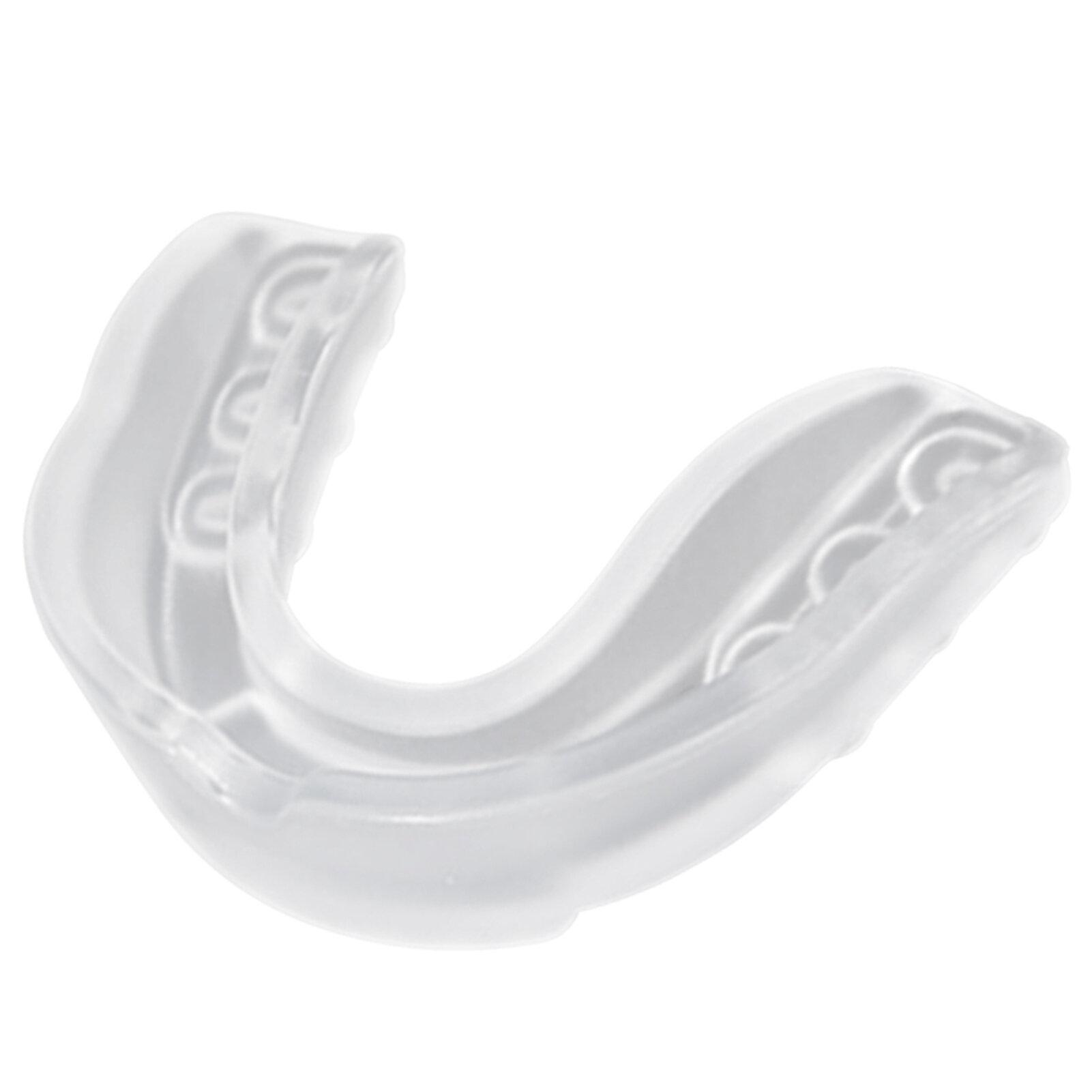
Unlike general sports Mouthguards In Dubai, those designed for boxing and mixed martial arts must withstand repeated high-force impacts while maintaining comfort, breathability, and stability. A poorly chosen mouthguard can affect performance, breathing, and even safety inside the ring or cage.
This guide explains exactly what to look for when choosing mouthguards for boxing and MMA, covering design, materials, fit, protection levels, and professional recommendations.
The High-Impact Reality of Boxing and MMA:
Combat sports expose athletes to repeated direct strikes to the face and jaw. Unlike accidental collisions in other sports, these impacts are intentional, controlled, and often high force.
Common risks include:
- Knocked-out or fractured teeth
- Jaw dislocation or fractures
- Lip and cheek lacerations
- TMJ (temporomandibular joint) strain
- Concussion-related force transmission through the jaw
Because of this, combat sports require specialized shock-absorbing mouthguards designed specifically for repeated trauma rather than occasional impact.
What Makes a Mouthguard Suitable for Boxing and MMA?
Not all mouthguards are designed for combat sports. Boxing and MMA mouthguards must balance three critical factors: protection, breathability, and retention.
Impact Absorption Capability:
A good combat mouthguard must absorb and distribute force effectively across the dental arch to reduce pressure on individual teeth.
Secure Fit and Retention:
During grappling, striking, and movement, the mouthguard must stay firmly in place without shifting or falling out.
Breathability Under Pressure:
Athletes must be able to breathe efficiently during intense rounds, especially when fatigued or under clinch pressure.
These three elements define the core performance standards for any high-quality boxing or MMA mouthguard.
Material Matters: The Science Behind Combat Mouthguards
The material used in mouthguards plays a major role in how well they perform under repeated impact.
EVA (Ethylene Vinyl Acetate):
Most professional-grade mouthguards are made from EVA, a thermoplastic material known for its flexibility and shock absorption. It compresses under force and gradually returns to shape, reducing peak impact stress.
Dual-Layer Construction:
High-performance models often use dual layers—soft inner cushioning for comfort and harder outer layers for durability and force resistance.
Laminated High-Density Materials:
Advanced MMA mouthguards may include laminated structures designed to handle extreme pressure from strikes and clinch situations.
Material choice directly influences durability, comfort, and safety in combat environments.
Types of Mouthguards for Boxing and MMA:
Understanding different types helps fighters choose the right protection level for training and competition.
Stock Mouthguards: Not Recommended for Fighters
These pre-formed guards offer minimal customization and poor fit. They often shift during movement and do not provide adequate protection for combat sports.
Boil-and-Bite Mouthguards: Entry-Level Option
These are molded at home using hot water. While better than stock versions, they still lack precision fit and may not offer optimal protection for advanced fighters.
Custom-Fitted Mouthguards: Professional Standard
Made by dental professionals using impressions or digital scans, these provide the best fit, maximum comfort, and superior impact protection. They are widely used by professional boxers and MMA athletes.
Gel-Fit Performance Mouthguards
Some advanced models use gel lining for improved comfort and better shock distribution, suitable for high-intensity sparring sessions.
Fit and Retention: The Most Critical Performance Factor
A mouthguard is only effective if it stays securely in place during movement and impact.
A proper combat fit should:
- Stay firmly attached to upper teeth without pressure loss
- Allow controlled breathing through mouth and nose
- Prevent jaw clenching from causing displacement
- Feel stable during punching combinations and grappling
Poor retention increases the risk of injury and distraction during fights, making fit the most important selection factor.
Thickness vs. Performance: Finding the Right Balance
Thickness plays a key role in protection, but more is not always better.
Thick mouthguards:
- Offer higher shock absorption
- Better suited for heavy sparring and boxing
- May slightly reduce airflow if poorly designed
Thin-profile mouthguards:
- Improve breathability and communication
- Better for MMA grappling and endurance training
- May offer slightly less impact cushioning
The ideal choice depends on fighting style and training intensity.
Single vs. Double Mouthguards: What Fighters Should Know
Single Mouthguards (Recommended):
These cover only the upper teeth and are widely used in boxing and MMA. They allow better breathing and communication while still offering strong protection.
Double Mouthguards (Not Recommended for MMA):
These cover both upper and lower teeth but can restrict airflow and speech. They are rarely used in professional combat sports due to breathing limitations.
Jaw Protection and TMJ Stability in Combat Sports:
A properly designed mouthguard does more than protect teeth—it also helps stabilize jaw movement during impact.
Benefits include:
- Reduced TMJ stress during strikes
- Better alignment of jaw under pressure
- Minimized risk of jaw dislocation
- Controlled bite positioning during impact
This contributes to both injury prevention and long-term joint health for fighters.
Breathability and Endurance Performance:
One of the biggest concerns among fighters is whether mouthguards interfere with breathing.
Modern combat mouthguards are designed with:
- Airflow channels for oxygen efficiency
- Low-profile shapes for reduced obstruction
- Bite alignment that prevents airway restriction
Properly designed guards allow athletes to maintain endurance during long rounds without feeling restricted.
Hygiene and Maintenance for Fighters:
Because boxing and MMA involve heavy sweating and contact, hygiene is critical.
Best practices:
- Rinse immediately after training or fights
- Use antibacterial cleaning solutions regularly
- Store in ventilated protective cases
- Avoid leaving in gym bags without airflow
- Replace if odor, cracks, or deformation appear
Good maintenance ensures both performance and oral safety.
Common Mistakes Fighters Should Avoid:
Many athletes reduce their protection level without realizing it.
Frequent mistakes include:
- Using cheap stock mouthguards for sparring
- Wearing ill-fitted boil-and-bite guards in competition
- Ignoring worn-out or damaged mouthguards
- Not replacing mouthguards regularly
- Chewing or biting the guard during training
Avoiding these mistakes significantly improves safety inside the ring or cage.
Choosing the Best Mouthguard for Your Fighting Style:
Different combat styles require different priorities.
Boxing:
Focus on thicker, high-impact mouthguards with maximum shock absorption.
MMA:
Choose balanced designs that support both striking and grappling with good breathability.
Sparring vs Competition:
Use more durable, reinforced models for sparring and lighter, high-comfort versions for competition if allowed.
Frequently Asked Questions (FAQ):
Do professional fighters use custom mouthguards?
Yes, most professional boxers and MMA fighters use custom-fitted mouthguards for maximum protection.
Can a mouthguard prevent knockouts?
No, but it can reduce jaw impact and protect teeth and soft tissues.
Should I use the same mouthguard for training and fights?
Many fighters use separate mouthguards for sparring and competition for hygiene and durability reasons.
How often should I replace a combat mouthguard?
Depending on usage, every 6 months to 2 years or when wear appears.
Conclusion: The Right Mouthguard Can Change Fight Safety
In boxing and MMA, where every strike carries high impact, a Best Mouthguards is one of the most important pieces of protective gear an athlete can wear. Choosing the right one means balancing protection, breathability, fit, and durability.
A well-designed combat mouthguard not only protects teeth and jaw structures but also supports confidence and performance inside the ring or cage. For fighters at any level, investing in the right mouthguard is an essential step toward long-term safety and professional success.




 English
 French
 Spanish
 Portuguese
 Deutsch
 Turkish
 Dutch
Dutch
 Italiano
 Russian
 Romaian
 Portuguese (Brazil)
 Greek
Greek