


How Can You Maintain the Flavor of Your Food?
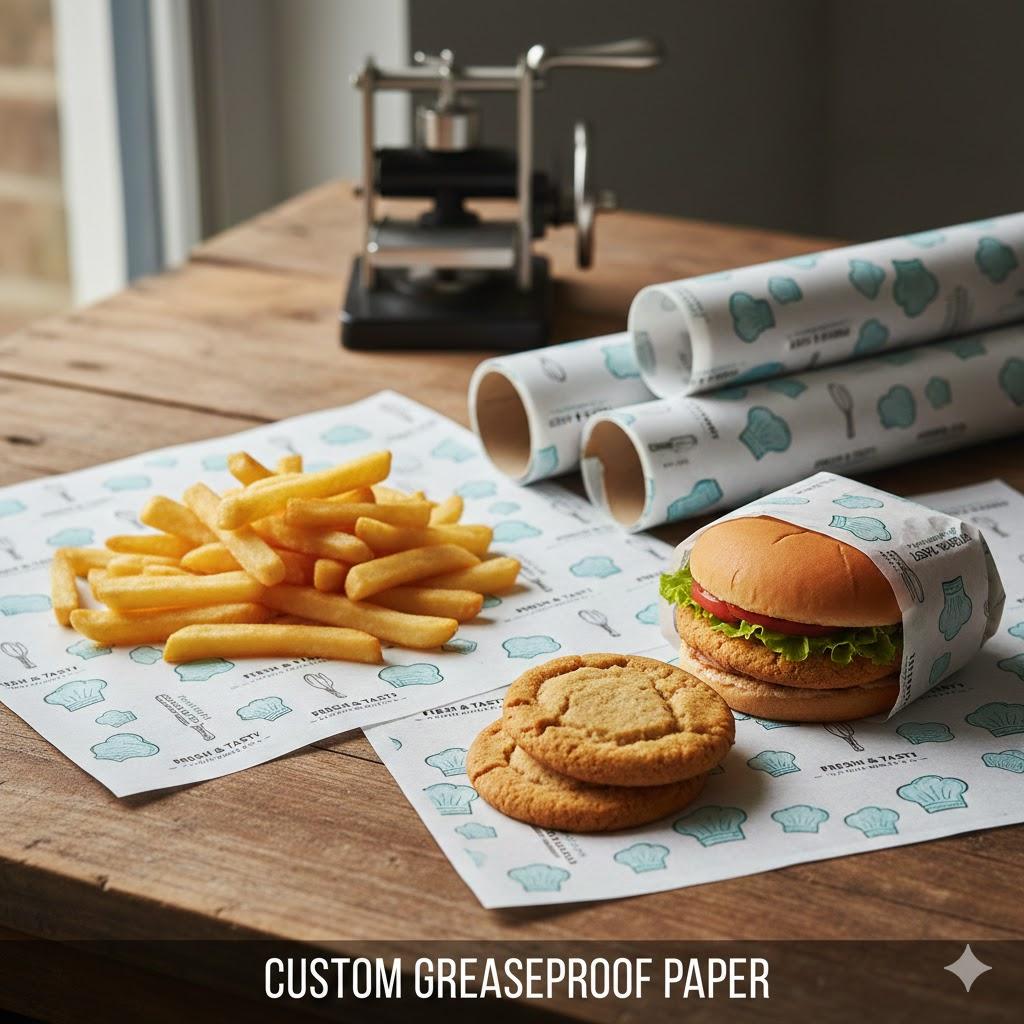
Leftovers from last night often taste completely different by tomorrow afternoon at lunch. Your carefully seasoned chicken turns bland while stored vegetables lose that fresh garden taste. Air and time work together stealing flavors from foods sitting in your refrigerator overnight. Maintaining food flavor requires understanding what makes tastes disappear during storage between cooking and eating. Simple mistakes like wrong boxes or bad wrapping destroy delicious foods you worked making. Smart storage protects those wonderful tastes so reheated dinners satisfy just like fresh ones. Knowing a few tricks keeps your cooking tasting amazing even days after you made it.
What Actually Happens To Taste When Food Sits Around Too Long?
Molecules that create flavors evaporate into air especially when foods are not covered tightly. Chemical reactions continue after cooking stops changing how ingredients taste over hours and days. Fats go rancid when oxygen touches them creating nasty bitter flavors nobody enjoys eating. Acids in tomatoes or citrus keep working on other ingredients altering original taste balance. Herbs lose their punch as essential oils break down from exposure to light. Spices fade because volatile compounds escape into air rather than staying in your food. Salt moves around in liquids making some bites too salty while others taste flat. Enzymes still active in vegetables keep changing texture and flavor both at same time.
Why Does Immediate Cooling After Cooking Help Preserve Good Tastes?
Bacteria start growing fast at room temperature producing waste that tastes awful and smells worse. Hot food left out continues cooking internally which can overcook and change intended flavors. Quick cooling stops all these processes before they ruin what you just finished making. Spreading food thin in shallow dishes speeds cooling so nothing stays dangerous warm long. Divide big batches into smaller portions so each one cools down to safe temperatures. Greaseproof paper sheets placed between food layers help air circulate for faster even cooling. Never put steaming hot boxes straight into refrigerators because that warms everything else dangerously. Getting food cold fast is your first defense for maintaining the food flavor you created.
How Do Different Storage Boxes Change How Long Flavors Last?
Glass keeps smells from escaping and does not absorb odors that plastic often does. Metal boxes sometimes react with acidic foods creating weird metallic tastes you notice instantly. Cheap plastic absorbs strong flavors then releases them into the next thing you store there. Airtight lids matter more than fancy box brands because air is your enemy. Clear boxes help you see what is inside without opening and letting air. Stackable shapes save refrigerator space while keeping things organized so nothing gets forgotten rotting. WaxPapersHub makes storage solutions designed specifically to protect taste, not just prevent spills. The right box choice makes a huge difference in maintaining food flavor over multiple days.
What Foods Should Never Be Stored Together In Same Space?
Onions release strong sulfur compounds that soak into butter and milk stored nearby. Fish smells penetrate through wrapping contaminating everything else sharing refrigerator shelves with it successfully. Apples give off gases that make lettuce wilt and turn brown much faster. Cheese picks up flavors from anything around it, becoming a disgusting mix of tastes. Fresh herbs wilt when stored with moisture heavy items that create too much humidity. Raw meats drip juices that carry bacteria and awful tastes to foods sitting below. Separation prevents cross contamination that destroys maintaining the food flavor you are trying hard to keep. Group similar items together and keep strong smelling things isolated from delicate ones.
Why Does Reheating Method Matter For Getting Original Taste Back?
Microwaves zap food unevenly leaving cold spots and overcooked dry areas in the same dish. Ovens bring back crispness and textures that microwaves turn rubbery or soggy instead always. Stovetops let you add liquids and stir, preventing scorching that creates bitter burned tastes. Low gentle heat preserves delicate flavors while high heat destroys them creating new bad ones. Covering during reheating traps steam and aromas instead of letting them escape into air. Adding splash of water or broth prevents drying that concentrates and distorts original flavor balance. Food paper can line reheating dishes absorbing excess grease without pulling out good flavors in USA kitchens. Proper reheating revives maintaining food flavor rather than creating something totally different tasting instead.
How Long Can You Really Keep Foods Before Taste Quality Drops?
Most cooked dishes taste best within three days even when refrigerated at correct temperatures. Delicate fish and seafood lose quality fastest, often going bad within just one day. Soups and stews actually improve after a day or two as flavors blend together nicely. Fried foods lose crispness within hours making them soggy and unappetizing to eat later. Fresh herbs added to cooked dishes turn brown and slimy after about two days. Rice and pasta dry out quickly absorbing all moisture leaving them hard and tasteless. Knowing these timelines helps you plan cooking amounts and prevents keeping things past prime. Taste degradation happens even when food stays technically safe to eat without getting sick.
What Signs Tell You When Stored Food Lost Too Much Flavor?
The smell test reveals a lot because strong aromas fade when flavor compounds escape over time. Visual dullness often accompanies flavor loss as colors fade showing chemical changes happening inside. The first bite tells the truth because your taste buds notice immediately when something tastes wrong. Texture changes like mushiness or dryness usually mean flavors degraded too during the same processes. Separation of liquids from solids shows breakdown that affects both appearance and taste badly. Lack of expected aroma when you open the box means volatile flavors have already left completely. Trust your senses because they evolved to detect quality problems before you eat something. Recognizing these signs saves you from eating food that lost what made it good.
Can Freezing Really Preserve Flavors For Months Without Any Change?
Freezing stops most chemical reactions that cause flavor loss in refrigerated foods over days. Ice crystals that form can damage cell structures releasing enzymes that change tastes later. Freezer burn happens when air reaches food surfaces creating dry tasteless cardboard like areas. Proper wrapping in airtight wrapping prevents both freezer burn and flavor loss during storage. Some flavors actually get stronger during freezing while others fade away almost completely gone. Salt and spices can taste different after freezing because water concentration changes around them. Maintaining food flavor through freezing works well but requires proper technique and good wrapping.

 English
 Arabic
 Spanish
 Portuguese
 Deutsch
 Turkish
 Dutch
Dutch
 Italiano
 Russian
 Romaian
 Portuguese (Brazil)
 Greek
Greek