


Why a Mini Compressed Air Dryer Decides If Lab Data Can Be Trusted
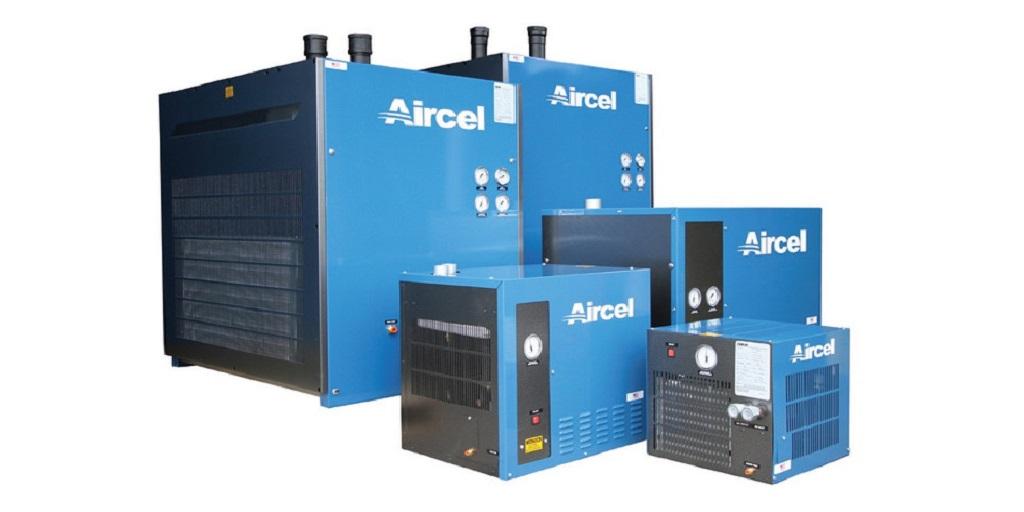
A mini compressed air dryer often looks like a small accessory in a busy research lab, yet it decides whether the data can be trusted. Researchers think about methods, standards, and software. The air line feeding the instrument does its job in the background until it does not.
Moisture in compressed air does more than fog the picture. It corrodes valves, poisons separations, and nudges sensitive readings just enough to cause results to drift. People blame columns, lamps, and calibration. They wait. They rerun. They hope the drift is gone. The real problem sometimes sits in a small cabinet next to the bench or should be there.
Mini Compressed Air Dryer At The Bench Where The Real Work Happens
A mini compressed air dryer provides critical point-of-use control for lab instruments like gas chromatographs, mass spectrometers, glove boxes, and optical tables. Placed near the instrument, it cleans and dries the air right before entry, preventing moisture pickup from long lines.
These compact units handle modest flow demands (a few liters per minute) and are ideal for fitting under benches. By maintaining an extremely low dew point at the point of use, they eliminate the risk of condensation from temperature drops in pipe runs and shield critical instruments from building humidity fluctuations, ensuring data reliability.
Dry Air Keeps Fragile Instruments From Aging Too Fast
Most people notice compressed air problems only when something fails mechanically. Moisture slowly chews through lines, regulators, and delicate valves. Rust inside a pneumatic control block does not look dramatic, but it can lock up actuators, stick solenoids, and cause intermittent faults that only show up during an important run.
A mini compressed air dryer removes water, preventing the damage chain it causes. Dry air maintains lubrication, stops icing in cold spots, and safeguards expensive, hard-to-reach components. For labs using air-floated optical tables, dry supply lines keep support bladders clean, ensuring stable level control.
This protection reduces emergency service calls and unexplained outages over the life of sensitive equipment, such as mass spectrometers. Although a technician may not credit the dryer directly, the lack of corrosion and water plugs proves its value.
When Moisture Becomes Bad Data Instead of Just a Maintenance Issue
Moisture from compressed air threatens lab data integrity.
In LC-MS, wet nebulizing/curtain gas can cause ion suppression, leading to unreliable low-level signals and distorted peaks. In gas chromatography, water in the carrier stream compromises separations on polar phases, creating smeared water peaks that mask early-eluting compounds and often necessitate unnecessary column changes.
A mini compressed air dryer is vital for quality control, turning high dew point into a managed parameter. This supports reliable method validation, audit trails, and consistent routine runs, eliminating uncertainty about instrument performance.
Choosing a Dryer That Matches How The Lab Actually Runs
Not every lab needs the same type of dryer. Some only need dry air to around forty degrees below zero. Others that support glove boxes, extremely sensitive detectors, or special spectroscopy need far lower moisture levels, along with the removal of gases such as carbon dioxide.
Membrane-style units suit many point-of-use jobs. They have no moving parts, require no power, and are naturally safe around solvent vapors because there are no electrical sparks to worry about. For facilities in regulated or classified spaces, this simplicity makes life easier. Routine care revolves around the upstream filter, not complicated service routines.
For extreme dryness or combined moisture/contaminant control, regenerative desiccant packages are used. These mini systems cycle towers to refresh the media, achieve very low dew points, and can be compact, clean dry air packages with their own oil-free compressor and filtration. Though they require more maintenance, they suit the most demanding lab benches.
Labs don't need to guess. To help match demands, safety rules, and maintenance with the right mini compressed air dryer, teams can review engineered options from Air & Vacuum Process, Inc. and prioritize dry air as core research infrastructure.
For more information about Natural Gas Dehydration Unit and Regenerative Desiccant Air Dryer Please visit: Air & Vacuum Process Inc.

 English
 Arabic
 French
 Spanish
 Portuguese
 Deutsch
 Turkish
 Dutch
Dutch
 Italiano
 Russian
 Portuguese (Brazil)
 Greek
Greek