


Residential Construction Estimates Guide for Accurate Costs
Building a home is one of the most important investments a person can make. However, without proper planning, costs can quickly spiral out of control. This is where residential construction estimates become essential. They help homeowners, builders, and contractors understand the total cost involved before construction begins.
A well-prepared estimate not only ensures financial clarity but also builds confidence in the project. Whether you are constructing a new home or renovating an existing one, accurate estimation is the key to success.
What Are Residential Construction Estimates
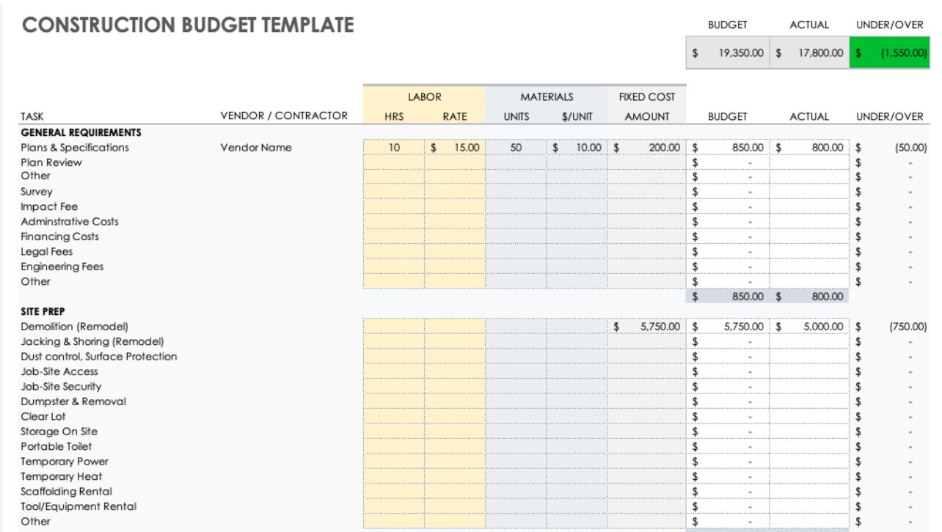
Residential construction estimates refer to the process of calculating the total expected cost of building or renovating a residential property. This includes every expense related to the project, such as.
-
Materials
-
Labor
-
Equipment
-
Permits and approvals
-
Overhead costs
These estimates provide a detailed breakdown, helping you understand where your money will be spent.
Importance of Residential Construction Estimates
Budget Control
Accurate residential construction estimates help you set a realistic budget and avoid overspending. You can plan your finances with confidence and allocate resources effectively.
Transparency
Estimates provide a clear picture of costs, ensuring transparency between clients and contractors. This reduces misunderstandings and disputes during the project.
Better Planning
With a proper estimate, you can make informed decisions about materials, design, and construction methods.
Risk Management
Including contingency costs in your estimate helps you prepare for unexpected expenses.
Key Components of Residential Construction Estimates
Material Costs
Materials often make up a large portion of the total cost. Prices can vary depending on quality, location, and market trends.
Labor Costs
Labor charges depend on the size of the project, the skill level required, and the duration of construction.
Equipment and Tools
Specialized equipment may be required for certain tasks, adding to the overall estimate.
Permits and Fees
Legal approvals and permits are necessary for residential construction and must be included in the estimate.
Contingency Costs
A contingency budget ensures that unexpected expenses do not disrupt the project.
Types of Residential Construction Estimates
Preliminary Estimates
These are rough estimates prepared during the initial planning stage. They provide a general idea of the total cost.
Detailed Estimates
A detailed residential construction estimate includes a complete breakdown of all costs, making it more accurate and reliable.
Quantity Takeoff
This method calculates the exact quantity of materials required, ensuring precise cost estimation.
Bid Estimates
Contractors prepare these estimates when bidding for residential projects.
Methods Used in Residential Construction Estimates
Unit Cost Method
Costs are calculated based on units such as per square foot. This method is simple and widely used.
Analogous Estimation
This method uses data from similar past projects to estimate costs.
Parametric Estimation
Advanced formulas and historical data are used to calculate accurate costs.
Bottom-Up Estimation
Each component of the project is estimated individually and then combined for a total cost.
Common Challenges in Residential Construction Estimates
Fluctuating Material Prices
Material costs can change due to market conditions, affecting the overall estimate.
Incomplete Information
Lack of detailed plans can lead to inaccurate estimates.
Labor Shortages
Changes in labor availability can impact costs and timelines.
Unexpected Site Conditions
Issues such as soil problems or structural challenges can increase costs.
Tips for Accurate Residential Construction Estimates
Use Updated Data
Always rely on current market prices for materials and labor.
Plan for Contingencies
Include extra funds to handle unexpected costs.
Work with Professionals
Experienced estimators can improve the accuracy of your estimates.
Use Digital Tools
Modern platforms like Estimate lift help streamline the estimation process and reduce errors.
Review Regularly
Update your estimates as the project progresses to reflect any changes.
Role of Technology in Cost Estimation
Technology has transformed the way residential construction estimates are prepared. Digital tools and software make it easier to.
-
Calculate costs quickly
-
Reduce human errors
-
Manage large amounts of data
-
Generate detailed reports
With solutions like Estimate lift users can create accurate and efficient estimates, saving both time and effort.
Why Accurate Estimates Matter for Homeowners
For homeowners, accurate residential construction estimates provide peace of mind. They ensure that.
-
The project stays within budget
-
There are no hidden surprises
-
Resources are used efficiently
-
The construction process runs smoothly
Without proper estimation, even small projects can face financial and operational challenges.
Conclusion
In the world of home building, planning is everything. Residential construction estimates serve as the foundation for a successful project by providing a clear financial roadmap. From understanding costs to managing risks, they play a crucial role in every stage of construction.
By using reliable data, following proven methods, and leveraging modern tools like Estimate lift you can create accurate estimates that lead to better results. Whether you are a homeowner or a contractor, investing time in proper estimation will help you achieve your goals with confidence and ease.

 Arabic
 French
 Spanish
 Portuguese
 Deutsch
 Turkish
 Dutch
Dutch
 Italiano
 Russian
 Romaian
 Portuguese (Brazil)
 Greek
Greek