


Which Materials Make Custom Two Piece Rigid Boxes Stronger and More Premium?
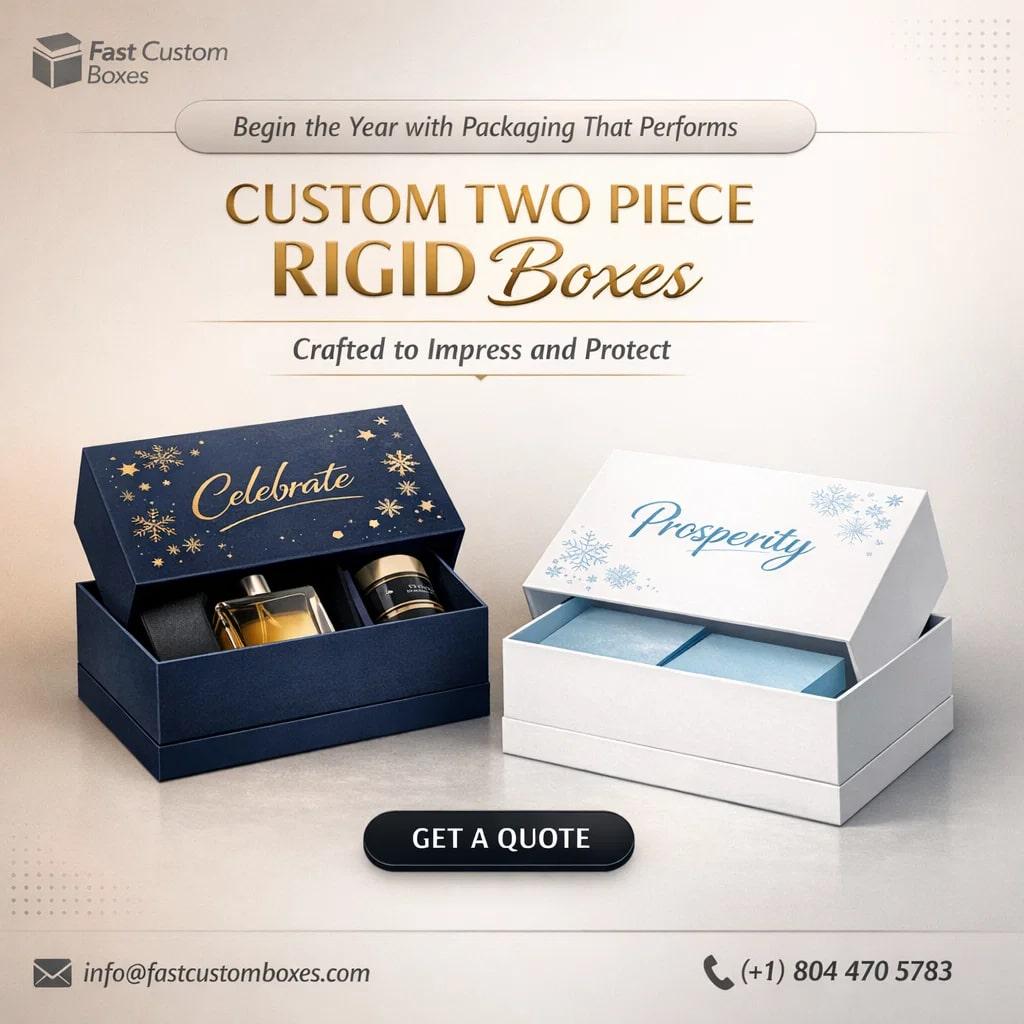
When it comes to luxury packaging, custom two piece rigid boxes stand in a league of their own. These boxes don’t just hold a product; they tell a story, build trust, and create that “wow” moment customers remember. But behind every premium rigid box is one key factor that decides its quality: the material.
So, which materials truly make two piece rigid boxes stronger, more attractive, and more valuable for brands? Let’s break it down step by step.
What Makes Two Piece Rigid Boxes Different From Regular Packaging?
Two piece rigid boxes are made from thick, non-folding materials that keep their shape at all times. They include a solid base and a separate lid, offering a clean, elegant opening experience.
Unlike standard cartons, rigid boxes feel firm in hand. That solid feel instantly signals quality. The right material enhances this experience and ensures the box performs well from production to delivery.
Why Is Material Quality So Important in Rigid Boxes?
Material quality affects every part of the packaging journey. From manufacturing to unboxing, it plays a key role in:
-
Structural strength
-
Protection against pressure
-
Visual presentation
-
Printing clarity
-
Brand perception
A weak material can ruin even the best design, while a strong one elevates the entire product.
Why Is Greyboard Considered the Best Core Material?
Greyboard is the most widely used core material for custom two piece rigid boxes, and for good reason.
Benefits of Greyboard
-
Extremely thick and durable
-
Maintains shape under pressure
-
Ideal for luxury and heavy products
-
Long-lasting and reliable
Greyboard is usually hidden inside the box and wrapped with decorative paper. Even though it’s not visible, it provides the backbone that makes rigid boxes feel premium.
How Does Cardboard Compare to Greyboard?
High-density cardboard is another popular option, especially for brands that want quality without excessive weight.
Why Brands Choose Cardboard
-
Lighter than greyboard
-
Easier to handle and ship
-
Smooth surface for printing
-
Cost-effective for large orders
Cardboard works best for products that are not too heavy but still require a strong and polished presentation, such as cosmetics or accessories.
Can Kraft Material Be Used for Two Piece Rigid Boxes?
Yes, kraft material is increasingly used for brands that prefer a natural and minimal look.
Advantages of Kraft-Based Rigid Boxes
-
Natural brown texture
-
Strong fiber composition
-
Simple yet premium appearance
-
Great for clean branding
Kraft is often combined with a rigid core to ensure strength while maintaining its distinctive look. It’s a smart choice for brands focused on authenticity and simplicity.
What Role Does Wrapping Paper Play in Material Selection?
The outer wrapping is what customers see first. Even the strongest rigid board needs the right paper to shine.
Common Wrapping Options
-
Art paper for sharp colors
-
Matte paper for soft finishes
-
Textured paper for a luxury touch
-
Gloss paper for vibrant designs
Fast Custom Boxes often recommends pairing strong core materials with high-quality wrapping paper to achieve both durability and visual appeal.
How Do Specialty Papers Improve Rigid Box Appeal?
Specialty papers can transform a basic rigid box into a premium experience.
Popular Specialty Materials
-
Linen-textured paper
-
Soft-touch coated paper
-
Metallic finish paper
-
Leather-look sheets
These materials don’t just look good; they feel good. That tactile experience adds emotional value and strengthens brand recall.
Which Materials Work Best for Heavy or Fragile Products?
For products like electronics, glass items, or luxury gifts, material strength is critical.
-
Greyboard provides maximum protection
-
Thick cardboard works for mid-weight items
-
Rigid inserts add extra security
Using the right material combination ensures the product arrives safely while maintaining a premium presentation.
How Does Material Affect Printing and Finishing Options?
Not all materials support advanced printing and finishing techniques.
-
Smooth surfaces improve print clarity
-
Thick boards support embossing
-
Wrapped materials hold foil stamping better
-
Specialty papers enhance texture
Choosing the right material allows brands to use finishes that boost shelf appeal and customer interest.
What Should Brands Consider Before Choosing a Material?
Before finalizing materials, brands should ask:
-
How heavy is the product?
-
What image does the brand want to project?
-
Which finishes are required?
-
How will the box be shipped and stored?
-
What is the target market’s expectation?
Answering these questions helps in selecting materials that align with both function and branding.
Which Materials Are Best for Luxury Branding?
For premium and luxury products, greyboard combined with specialty wrapping paper remains the top choice. It allows for detailed finishes and offers unmatched strength.
For modern brands, textured or kraft materials paired with clean designs create a refined yet contemporary look.
Fast Custom Boxes helps brands choose materials that reflect their identity while maintaining top-tier quality.
Final Thoughts: How Do You Choose the Right Material for Two Piece Rigid Boxes?
The best material for custom two piece rigid boxes depends on product needs, brand image, and customer expectations. Greyboard delivers strength, cardboard offers flexibility, kraft provides character, and specialty papers add elegance.
When materials are chosen wisely, rigid boxes do more than protect products. They enhance value, strengthen branding, and leave a lasting impression.
That’s why selecting the right materials isn’t just a packaging decision—it’s a branding strategy. Read more: Fast Custom Boxes

 English
 French
 Spanish
 Portuguese
 Deutsch
 Turkish
 Dutch
Dutch
 Italiano
 Russian
 Romaian
 Portuguese (Brazil)
 Greek
Greek