


What Treatments Are Available for Parasitic Worms?
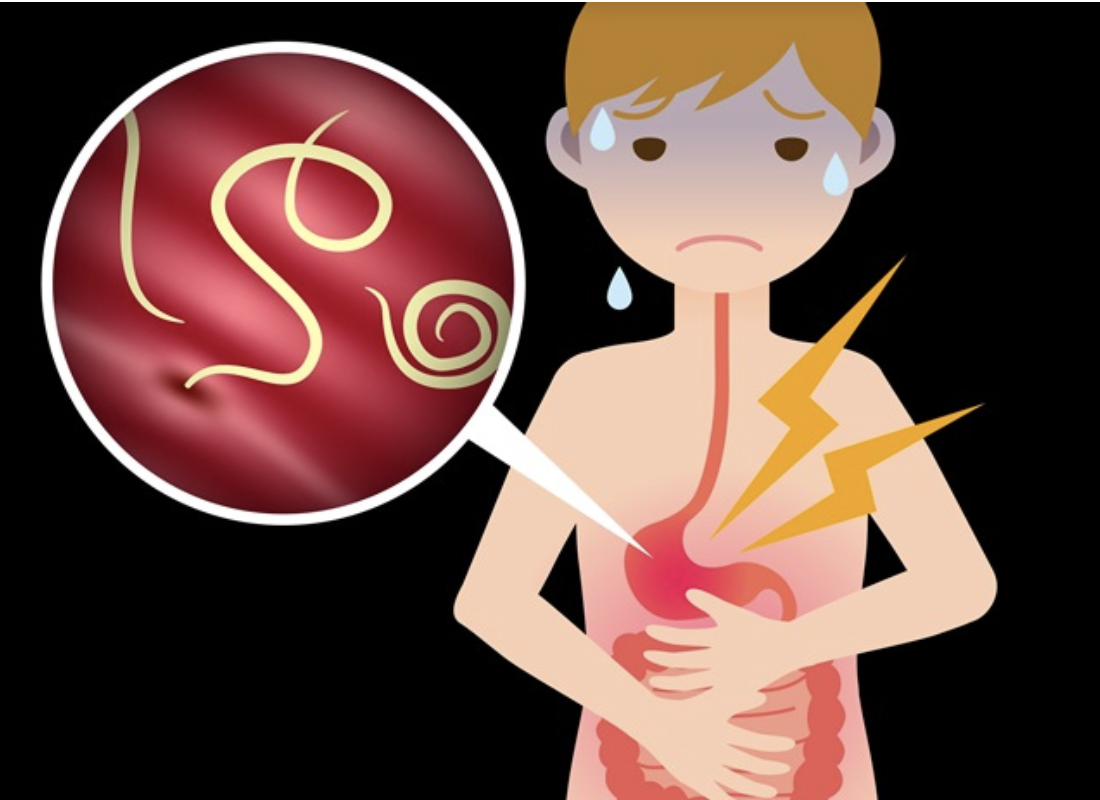
Parasitic worm infections also known as helminth infections are a significant global health concern, especially in regions with limited sanitation. These infections are caused by organisms such as roundworms, tapeworms, and flukes that live in the human body, often in the intestines, and can lead to a wide range of symptoms including abdominal pain, diarrhea, fatigue, malnutrition, and anemia. Fortunately, modern medicine offers a variety of effective treatments. This article provides a comprehensive overview of available therapies, with particular attention to the role of Nizonide 500 mg in managing parasitic infections.
Understanding Parasitic Worm Infections
Parasitic worms enter the human body through contaminated food, water, soil, or poor hygiene practices. Common types include:
- Roundworms (Ascaris lumbricoides)
- Hookworms
- Pinworms
- Tapeworms
- Flukes (schistosomes, liver flukes)
The treatment approach depends on the type of worm, severity of infection, patient age, and overall health.
General Treatment Principles
The primary goal of treatment is to eliminate the parasite, relieve symptoms, and prevent reinfection. Treatment strategies typically include:
- Antiparasitic medications
- Supportive care
- Nutritional supplementation
- Improved hygiene and sanitation
Antiparasitic Medications
1. Broad-Spectrum Anthelmintics
These medications are commonly prescribed because they target a wide range of parasitic worms:
- Albendazole: Effective against roundworms, hookworms, and some tapeworms. It works by inhibiting the parasite’s ability to absorb glucose, leading to its death.
- Mebendazole: Similar to albendazole, often used for pinworms, whipworms, and roundworms.
- Ivermectin: Used for strongyloidiasis and certain filarial infections.
These drugs are typically taken as a single dose or short course and are generally well tolerated.
2. Targeted Anthelmintics
Some infections require more specific medications:
- Praziquantel: Used for tapeworms and flukes. It increases the permeability of the worm’s cell membranes, causing paralysis and death.
- Diethylcarbamazine (DEC): Effective against filarial worms causing diseases like lymphatic filariasis.
3. Role of Nitazoxanide (Nizonide 500 mg)
Nizonide 500 mg contains nitazoxanide, a broad-spectrum antiparasitic and antiviral agent. While it is more commonly known for treating protozoal infections like giardiasis and cryptosporidiosis, it also has activity against certain helminths.
Mechanism of Action
Nitazoxanide interferes with the parasite’s anaerobic energy metabolism by inhibiting key enzyme systems. This disrupts the organism’s ability to survive and reproduce.
Indications
Nizonide 500 mg may be prescribed for:
- Mixed parasitic infections
- Intestinal protozoa that may coexist with worms
- Certain helminth infections when first-line drugs are unsuitable
Dosage
Typically, Nizonide 500 mg is taken twice daily for 3 days, although duration may vary depending on the infection and physician guidance.
Advantages
- Broad-spectrum coverage
- Well tolerated with minimal side effects
- Useful in co-infections
Side Effects
Most patients tolerate it well, but some may experience:
- Nausea
- Abdominal discomfort
- Headache
- Yellow discoloration of urine (harmless)
Supportive Treatments
1. Nutritional Support
Parasitic worms often deprive the body of essential nutrients. Patients may require:
- Iron supplements for anemia
- Protein-rich diets
- Vitamin supplementation
2. Hydration
In cases with diarrhea or vomiting, maintaining hydration is crucial. Oral rehydration solutions may be recommended.
Treatment by Specific Worm Type
Roundworms and Hookworms
- First-line: Albendazole or mebendazole
- Alternative: Ivermectin
- Nizonide 500 mg may be used in mixed infections
Pinworms
- Mebendazole or albendazole
- Repeat dose after 2 weeks to prevent reinfection
- Treat all household members
Tapeworms
- Praziquantel is the drug of choice
- Niclosamide may be used in some cases
Flukes
- Praziquantel or triclabendazole depending on species
Preventing Reinfection
Treatment alone is not sufficient if reinfection occurs. Preventive measures include:
- Washing hands thoroughly with soap
- Cooking food properly
- Drinking clean, filtered water
- Wearing footwear in contaminated areas
- Regular deworming in endemic regions
When to Seek Medical Attention
Medical consultation is essential if you experience:
- Persistent abdominal pain
- Blood in stool
- Severe diarrhea
- Unexplained weight loss
- Signs of anemia (fatigue, pale skin)
Self-medication without proper diagnosis can lead to ineffective treatment or complications.
Special Considerations
Children
Children are more susceptible to worm infections. Pediatric doses of medications like albendazole or nizonide 500mg should be adjusted based on weight and age.
Pregnant Women
Certain antiparasitic drugs are contraindicated during pregnancy. Always consult a healthcare provider.
Immunocompromised Patients
These individuals may require longer or more aggressive treatment.
Emerging Treatments and Research
Research continues to explore new antiparasitic agents and combination therapies to combat drug resistance. Nitazoxanide (Nizonide 500 mg) is being studied for expanded use due to its broad-spectrum activity and favorable safety profile.
Conclusion
Parasitic worm infections are treatable with a range of effective medications. The choice of treatment depends on the specific parasite involved, severity of infection, and patient factors. Standard drugs like albendazole, mebendazole, and praziquantel remain the cornerstone of therapy, while newer agents like Nizonide 500 mg provide additional flexibility, especially in mixed or resistant infections.
A comprehensive approach that includes medication, hygiene, and preventive practices is essential for successful treatment and long-term health. If you suspect a parasitic infection, prompt medical evaluation ensures accurate diagnosis and appropriate therapy.

 English
 Arabic
 Spanish
 Portuguese
 Deutsch
 Turkish
 Dutch
Dutch
 Italiano
 Russian
 Romaian
 Portuguese (Brazil)
 Greek
Greek