• BRIDGING THE GAP: DR. BENSON OLOKOR'S TENACIOUS COMMITMENT TO EMPOWERING LEADERS AND SHAPING LIVES

    Dr. Benson Olokor embodies the spirit of service, blazing a trail of transformation in the realms of leadership, education, and community development.

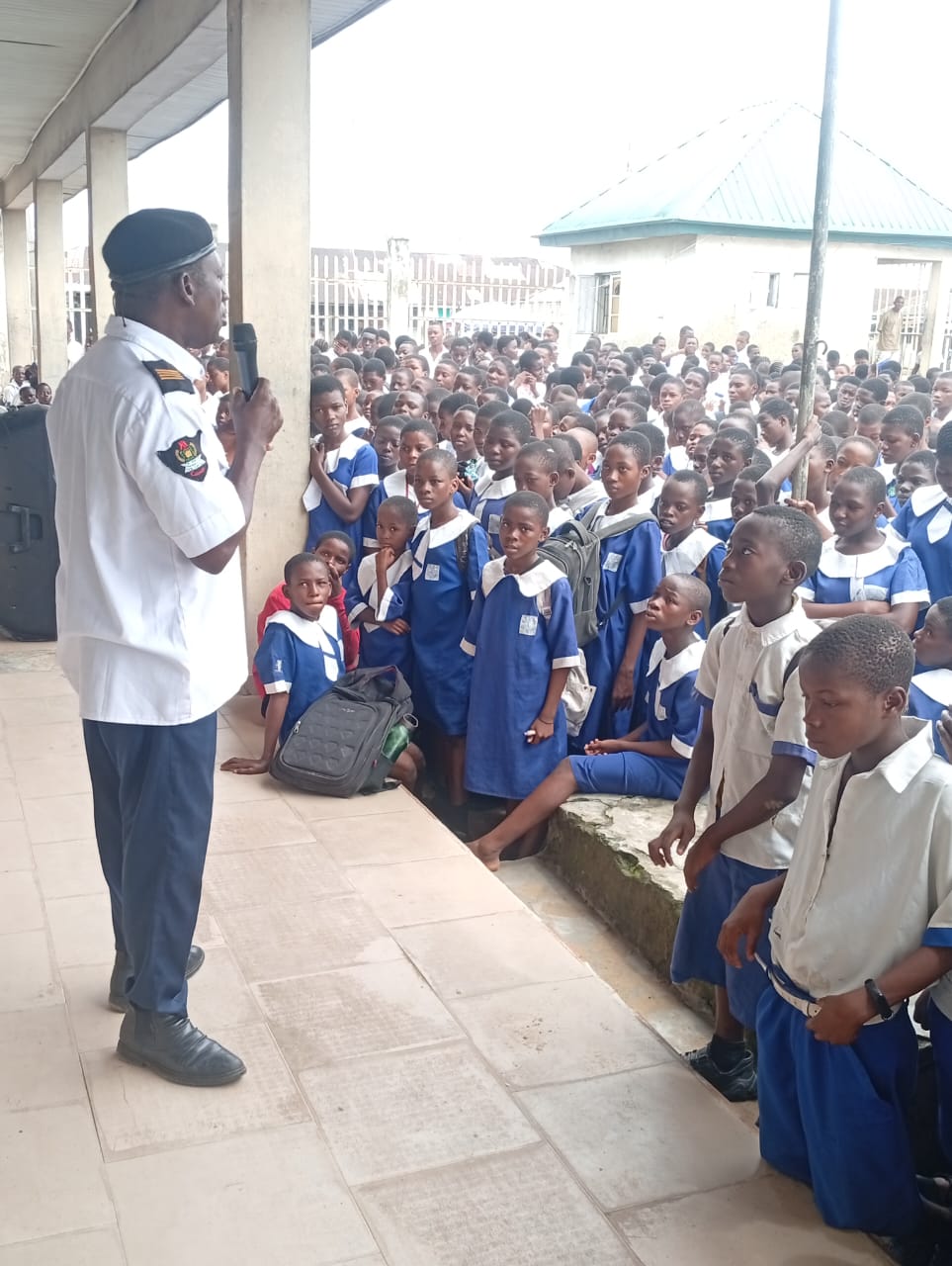
    Through his groundbreaking consulting firm, the Marble Leaders Team, he has dedicated himself to empowering young people, instilling within them the tools and knowledge necessary for success. He has trained over a thousand youths for free, laying a foundation for their future impact.

    Beyond empowering youth, Dr. Olokor's work as an anti-drug abuse advocate is both noble and commendable. As the Delta State Coordinator of Community Anti-drug Abuse Advocacy Initiative, he is at the forefront of battling addiction and substance abuse within the community, creating a safer, healthier environment for generations to come.

    His membership in prestigious organizations like YALI NETWORK, IPMA, and Black Forbes is a testament to his leadership prowess and commitment to excellence. His close collaboration with renowned figures like Dr. Linus Okorie and Dr. Stephen Akintoya adds to his remarkable list of accomplishments.

    Dr. Olokor's profound commitment to developing future leaders is a direct reflection of his tenacity, passion, and commitment to excellence. He has left an indelible mark on the lives of countless young people, inspiring them to reach for greatness while championing a brighter tomorrow.

    Today, we honor Dr. Benson Olokor for his contributions to education, leadership development, and community well-being. His unrelenting dedication to improving the lives of those around him serves as a shining example of the power of leadership and service in shaping a better future for all.
    BRIDGING THE GAP: DR. BENSON OLOKOR'S TENACIOUS COMMITMENT TO EMPOWERING LEADERS AND SHAPING LIVES Dr. Benson Olokor embodies the spirit of service, blazing a trail of transformation in the realms of leadership, education, and community development. Through his groundbreaking consulting firm, the Marble Leaders Team, he has dedicated himself to empowering young people, instilling within them the tools and knowledge necessary for success. He has trained over a thousand youths for free, laying a foundation for their future impact. Beyond empowering youth, Dr. Olokor's work as an anti-drug abuse advocate is both noble and commendable. As the Delta State Coordinator of Community Anti-drug Abuse Advocacy Initiative, he is at the forefront of battling addiction and substance abuse within the community, creating a safer, healthier environment for generations to come. His membership in prestigious organizations like YALI NETWORK, IPMA, and Black Forbes is a testament to his leadership prowess and commitment to excellence. His close collaboration with renowned figures like Dr. Linus Okorie and Dr. Stephen Akintoya adds to his remarkable list of accomplishments. Dr. Olokor's profound commitment to developing future leaders is a direct reflection of his tenacity, passion, and commitment to excellence. He has left an indelible mark on the lives of countless young people, inspiring them to reach for greatness while championing a brighter tomorrow. Today, we honor Dr. Benson Olokor for his contributions to education, leadership development, and community well-being. His unrelenting dedication to improving the lives of those around him serves as a shining example of the power of leadership and service in shaping a better future for all.
    0 Commenti 0 condivisioni 2K Views 0 Anteprima
  • *FREE TRAINING ON GLOBAL EXECUTIVE CERTIFICATE IN SAFETY MANAGEMENT (𝐆𝐄𝐂𝐒𝐌)*

    *_Join thousands of participants from other countries in enhancing your credentials. Participate for FREE, with optional payment for certificate, or simply gain the knowledge and walk away—NO FEE required_* !

    🏻🏻👇🏻👇🏻👇🏻👇🏻👇👇

    https://chat.whatsapp.com/CYFKp19EYN9Hg72gSxwxvi

    𝐃𝐚𝐭𝐞:- MAY 1st - 6th
    𝐓𝐢𝐦𝐞:- 7:00 -9:00PM
    𝐕𝐞𝐧𝐮𝐞:- Whatsapp/Zoom Class

    𝐒𝐞𝐞 𝐥𝐢𝐬𝐭 𝐨𝐟 𝐜𝐨𝐮𝐫𝐬𝐞s 𝐛𝐞𝐥𝐨𝐰 👇🏻

    *(a) Maritime Safety Management (MSM)*

    *(b) Aviation Safety Management (ASM)*

    *(c) Healthcare Safety Management (HSM)*

    *(d) Oil & Gas Safety Management (OGSM)*

    *(e) Construction Safety Management (CSM)*

    Our courses are designed to align with the employment and educational standards of Europe, United Kingdom, Canada, Africa, United States, and Australia.

    Join now and share to benefit others!
    *FREE TRAINING ON GLOBAL EXECUTIVE CERTIFICATE IN SAFETY MANAGEMENT (𝐆𝐄𝐂𝐒𝐌)* *_Join thousands of participants from other countries in enhancing your credentials. Participate for FREE, with optional payment for certificate, or simply gain the knowledge and walk away—NO FEE required_* ! 👇🏻👇🏻👇🏻👇🏻👇🏻👇🏻👇👇 https://chat.whatsapp.com/CYFKp19EYN9Hg72gSxwxvi 📆𝐃𝐚𝐭𝐞:- MAY 1st - 6th ⏰𝐓𝐢𝐦𝐞:- 7:00 -9:00PM 📍𝐕𝐞𝐧𝐮𝐞:- Whatsapp/Zoom Class 𝐒𝐞𝐞 𝐥𝐢𝐬𝐭 𝐨𝐟 𝐜𝐨𝐮𝐫𝐬𝐞s 𝐛𝐞𝐥𝐨𝐰 👇🏻 *🎯(a) Maritime Safety Management (MSM)* *🎯(b) Aviation Safety Management (ASM)* *🎯(c) Healthcare Safety Management (HSM)* *🎯(d) Oil & Gas Safety Management (OGSM)* *🎯(e) Construction Safety Management (CSM)* Our courses are designed to align with the employment and educational standards of Europe, United Kingdom, Canada, Africa, United States, and Australia. Join now and share to benefit others!
    0 Commenti 0 condivisioni 2K Views 0 Anteprima
  • Nursing Degree, or equivalent
    Basic Life Support
    Advance Cardiovascular Life Support
    Licensure in location of operations
    Job Critical Work Experience

    Demonstrated proficiency via professional certification
    Recognized expertise in applied clinical health risk assessment and fitness for work determination
    Collection of Alcohol and Drug urine specimen collection
    Proficiency in conducting ECG, Audiometry, respiratory face-fit testing and other occupational health related examinations
    Preferred Qualifications/ Experience
    List the set of non-core qualifications that enable job proficiency for job incumbents

    Health Education/Counseling.
    Medical Emergency Response
    Occupational Health nursing experience
    Application Closing Date
    30th April, 2025.

    How to Apply
    Interested and qualified candidates should:
    https://jobs.exxonmobil.com/ExxonMobil/job/Lagos-Occupational-Health-Nurse-LA/1277267400/?utm_source=HNJ
    Nursing Degree, or equivalent Basic Life Support Advance Cardiovascular Life Support Licensure in location of operations Job Critical Work Experience Demonstrated proficiency via professional certification Recognized expertise in applied clinical health risk assessment and fitness for work determination Collection of Alcohol and Drug urine specimen collection Proficiency in conducting ECG, Audiometry, respiratory face-fit testing and other occupational health related examinations Preferred Qualifications/ Experience List the set of non-core qualifications that enable job proficiency for job incumbents Health Education/Counseling. Medical Emergency Response Occupational Health nursing experience Application Closing Date 30th April, 2025. How to Apply Interested and qualified candidates should: https://jobs.exxonmobil.com/ExxonMobil/job/Lagos-Occupational-Health-Nurse-LA/1277267400/?utm_source=HNJ
    Occupational Health Nurse
    Occupational Health Nurse
    0 Commenti 0 condivisioni 790 Views 0 Anteprima
  • Listen up, Men! The Rich Are Hiding Secrets—But I’m About to Expose Them

    The rich aren’t rich by luck. They didn’t stumble into wealth. They played a game you were never taught. And they’re not about to teach you either—because if you learn the rules, you become a threat.

    But you see this page? I didn’t build it for simps. I built it for men ready to break free. So listen, not just for yourself, but for every hommie you roll with. These 7 secrets will make you a millionaire in under 12 months if you apply them like your life depends on it—because it does.

    1. The Rich Never Trade Time for Money—They Trade Value for Wealth
    While you clock in and out like a robot, they build systems that work for them 24/7—investments, digital assets, businesses. Time is limited. Systems are scalable. Learn the damn difference.

    2. Debt Is Not Evil—Stupidity Is
    The rich use good debt to grow empires: property, equipment, business capital. You use bad debt to show off—iPhones, clubs, cars. Learn to leverage debt. If debt doesn’t make you money, it’s slavery.

    3. 9–5 Will Feed You—But Ownership Will Free You
    They use salaries as startup capital. You use salaries as status. One builds empires, the other buys liabilities. Own something. Even if it’s a small hustle, grow it.

    4. Your Network Is Your Net Worth
    They don’t hang with broke-minded complainers. Every friend adds value, insights, connections, or capital. If your circle isn’t building, they’re bleeding you. Cut them.

    5. Silence Is a Wealth Strategy
    The rich don’t announce. They move in stealth. While you're posting fake life on social media, they're acquiring land, shares, and equity. Move like a shadow, strike like thunder.

    6. The Rich Invest in Financial Education—Daily
    They read books, attend masterminds, buy courses. You watch skits, football, and porn. Knowledge is the new currency. Learn or stay broke.

    7. They Sell. Period.
    Every millionaire is a salesman. They sell a product, a brand, a service, or a skill. If you can’
    Listen up, Men! The Rich Are Hiding Secrets—But I’m About to Expose Them The rich aren’t rich by luck. They didn’t stumble into wealth. They played a game you were never taught. And they’re not about to teach you either—because if you learn the rules, you become a threat. But you see this page? I didn’t build it for simps. I built it for men ready to break free. So listen, not just for yourself, but for every hommie you roll with. These 7 secrets will make you a millionaire in under 12 months if you apply them like your life depends on it—because it does. 1. The Rich Never Trade Time for Money—They Trade Value for Wealth While you clock in and out like a robot, they build systems that work for them 24/7—investments, digital assets, businesses. Time is limited. Systems are scalable. Learn the damn difference. 2. Debt Is Not Evil—Stupidity Is The rich use good debt to grow empires: property, equipment, business capital. You use bad debt to show off—iPhones, clubs, cars. Learn to leverage debt. If debt doesn’t make you money, it’s slavery. 3. 9–5 Will Feed You—But Ownership Will Free You They use salaries as startup capital. You use salaries as status. One builds empires, the other buys liabilities. Own something. Even if it’s a small hustle, grow it. 4. Your Network Is Your Net Worth They don’t hang with broke-minded complainers. Every friend adds value, insights, connections, or capital. If your circle isn’t building, they’re bleeding you. Cut them. 5. Silence Is a Wealth Strategy The rich don’t announce. They move in stealth. While you're posting fake life on social media, they're acquiring land, shares, and equity. Move like a shadow, strike like thunder. 6. The Rich Invest in Financial Education—Daily They read books, attend masterminds, buy courses. You watch skits, football, and porn. Knowledge is the new currency. Learn or stay broke. 7. They Sell. Period. Every millionaire is a salesman. They sell a product, a brand, a service, or a skill. If you can’
    0 Commenti 0 condivisioni 2K Views 0 Anteprima
  • HABITS THAT SHOW IMPROPER UPBRINGING OF CHILDREN.
    Dear Parents Please, carefully look at the list below and identify where you may want to make amends on yourself or on the young ones you are bringing up.

    Children, if not properly groomed may never get to the top in life, even if both parents are at the top of their careers.
    Manners take you to where your education can't irrespective of your status, wealth or your reach or influence:

    1) Going to your child's school indecently dressed. (Think again).

    2) Speaking rashly to your child's teacher.

    3) Cursing, using foul language or swearing words in front of your children.

    4) Using makeup on children.

    5) Dressing your little children up indecently (they loose their sense of Princess Hood).

    6) Putting earrings on your son's ears.

    7) Your child holds the cup or glassware by the brim and you don't correct.

    8) Your children don't greet and you just feel they will come around one day because they have a mood swing. (You will be blamed for it).

    9) Your children eat with their mouth opened and you feel they will grow up some day.

    10) Your children bringing home something you did not buy for them and you say nothing. (that is the beginning of stealing).

    11) The Children talk back at you and you conclude it's okay since you are a 21st century Parent. (You will hate yourself if they do that outside and they are disciplined).

    12) The Children interrupt when you are speaking with another adult and you think they are bold and clever. (Its really bad manners).

    13) The Children exercising authority over the Nanny and domestic staff and you let them be. (that is bad parenting).

    14) The Children saying things like "my driver is on his way..." I do not advocate that children should call your domestic staff Uncle, Aunty or Brother, calling them by Name when they are not young people is not proper either. The use of Miss, Mr or Mrs will look good on them.

    15) Your children don't say a 'thank you' when they have been helped or served something and you are cool with that. (Bad parenting).

    16) When your Children cannot stand children who are less privileged.

    18) When the Children pick their noses with their hands.

    19) When the Children don't wash their hands after visiting the washroom or after returning from school or outside visits.

    20) When your Children take something from the fridge without seeking permission. (Bad parenting).

    21) When your Children don't knock on closed doors and wait for a response before opening the door.

    22) When your Children don't collect from your hands items you brought in as you walk into your home.

    23) When your Children request for a bribe to carry out their home chores or extra tasks. (That is disgraceful).

    24) When your Children act like their Grandparents irritate them. (It's a Transferable Curse).

    25) When your Children have not learnt to get up from the Chair for the Elderly or Visitors to sit.

    26) When your Child tells lot of Lies. (You will both cry in the future).

    27) When your Children ask "who is that?" at a knock on the door instead of "please, may I know who is there."

    28) When your Child is always seated by your Visitors when being served Drinks or Food.

    29) When your Children still point their fingers at other people, when talking to or speaking about them.

    30) When your Children play and jump around when Prayers are going on. (These can apply to Children from Ages 4 and Above).

    31) When a child wakes up in the morning, just staring at his/her Parents and Elders without greeting. (It is a bad habit and does not show good upbringing).

    • Don't be a 21st Century Parents who can't correct their Children.

    • Train your Children in the way of the Lord so that when they grow up they will not depart from such Godly Training or Upbringing.

    IT IS BETTER TO LET YOUR CHILDREN CRY AT AN EARLY AGE WHEN YOU CORRECT THEM; IF NOT, YOU WILL BOTH CRY AT NIGHT WHEN THEY BRING DISGRACE TO THE FAMILY!.
    HABITS THAT SHOW IMPROPER UPBRINGING OF CHILDREN. Dear Parents Please, carefully look at the list below and identify where you may want to make amends on yourself or on the young ones you are bringing up. Children, if not properly groomed may never get to the top in life, even if both parents are at the top of their careers. Manners take you to where your education can't irrespective of your status, wealth or your reach or influence: 1) Going to your child's school indecently dressed. (Think again). 2) Speaking rashly to your child's teacher. 3) Cursing, using foul language or swearing words in front of your children. 4) Using makeup on children. 5) Dressing your little children up indecently (they loose their sense of Princess Hood). 6) Putting earrings on your son's ears. 7) Your child holds the cup or glassware by the brim and you don't correct. 8) Your children don't greet and you just feel they will come around one day because they have a mood swing. (You will be blamed for it). 9) Your children eat with their mouth opened and you feel they will grow up some day. 10) Your children bringing home something you did not buy for them and you say nothing. (that is the beginning of stealing). 11) The Children talk back at you and you conclude it's okay since you are a 21st century Parent. (You will hate yourself if they do that outside and they are disciplined). 12) The Children interrupt when you are speaking with another adult and you think they are bold and clever. (Its really bad manners). 13) The Children exercising authority over the Nanny and domestic staff and you let them be. (that is bad parenting). 14) The Children saying things like "my driver is on his way..." I do not advocate that children should call your domestic staff Uncle, Aunty or Brother, calling them by Name when they are not young people is not proper either. The use of Miss, Mr or Mrs will look good on them. 15) Your children don't say a 'thank you' when they have been helped or served something and you are cool with that. (Bad parenting). 16) When your Children cannot stand children who are less privileged. 18) When the Children pick their noses with their hands. 19) When the Children don't wash their hands after visiting the washroom or after returning from school or outside visits. 20) When your Children take something from the fridge without seeking permission. (Bad parenting). 21) When your Children don't knock on closed doors and wait for a response before opening the door. 22) When your Children don't collect from your hands items you brought in as you walk into your home. 23) When your Children request for a bribe to carry out their home chores or extra tasks. (That is disgraceful). 24) When your Children act like their Grandparents irritate them. (It's a Transferable Curse). 25) When your Children have not learnt to get up from the Chair for the Elderly or Visitors to sit. 26) When your Child tells lot of Lies. (You will both cry in the future). 27) When your Children ask "who is that?" at a knock on the door instead of "please, may I know who is there." 28) When your Child is always seated by your Visitors when being served Drinks or Food. 29) When your Children still point their fingers at other people, when talking to or speaking about them. 30) When your Children play and jump around when Prayers are going on. (These can apply to Children from Ages 4 and Above). 31) When a child wakes up in the morning, just staring at his/her Parents and Elders without greeting. (It is a bad habit and does not show good upbringing). • Don't be a 21st Century Parents who can't correct their Children. • Train your Children in the way of the Lord so that when they grow up they will not depart from such Godly Training or Upbringing. IT IS BETTER TO LET YOUR CHILDREN CRY AT AN EARLY AGE WHEN YOU CORRECT THEM; IF NOT, YOU WILL BOTH CRY AT NIGHT WHEN THEY BRING DISGRACE TO THE FAMILY!.
    0 Commenti 0 condivisioni 2K Views 0 Anteprima
  • ENCOURAGE ARTISANS AND INTENDING ARTISANS TO REGISTER FOR ITF SUPA TRAINING PROGRAM!

    SUPA means, "Skill Up Artisans".
    This is a program of the Federal Government of Nigeria, for training and re-training of artisans in all areas of craftsmanship.

    This program is being handled by Industrial Training Fund(ITF).

    Every artisan or intending artsan is expected to register, online, for the program.
    Simply Google ITF SUPA Platform using: https://supa.itf.gov.ng and the registration portal will open, to enable the applicant to register for the training program.

    Benefits of SUPA Program include:1. Higher and greater skills/ knowledge of chosen area.

    2.International certification.
    The certificate to be issued will be recognized internationally across nations.

    3.Training Allowance.
    Trainees will be paid monthly training allowance by FG/ITF, through out the period of training.

    4.Convenience of Training Location.
    Training centers are located across cities, towns, suburbs, villages, and Hamlets in Nigeria.
    Simply select a center convenient to the trainee.

    Registration is ongoing.
    Please, log onto the following website:
    SUPA Platform You can register using; https://supa.itf.gov.ng

    Please, circulate the good news to all known artisans, mechanics, tailors, electricians, masons, etc.
    Encourage them to register for the program, which has already commenced and is ongoing.
    ASSIST YOUR CHILDREN, WARDS, BROTHERS, SISTERS AND FRIENDS TO REGISTER FOR THE PROGRAM TODAY.

    Dr. Godwin A. Tsua.
    Director, Entrepreneurship and ITF SUPA Training Center Manager,
    Federal College of Education, Obudu, CRS.
    https://supa.itf.gov.ng/register
    ENCOURAGE ARTISANS AND INTENDING ARTISANS TO REGISTER FOR ITF SUPA TRAINING PROGRAM! SUPA means, "Skill Up Artisans". This is a program of the Federal Government of Nigeria, for training and re-training of artisans in all areas of craftsmanship. This program is being handled by Industrial Training Fund(ITF). Every artisan or intending artsan is expected to register, online, for the program. Simply Google ITF SUPA Platform using: https://supa.itf.gov.ng and the registration portal will open, to enable the applicant to register for the training program. Benefits of SUPA Program include:1. Higher and greater skills/ knowledge of chosen area. 2.International certification. The certificate to be issued will be recognized internationally across nations. 3.Training Allowance. Trainees will be paid monthly training allowance by FG/ITF, through out the period of training. 4.Convenience of Training Location. Training centers are located across cities, towns, suburbs, villages, and Hamlets in Nigeria. Simply select a center convenient to the trainee. Registration is ongoing. Please, log onto the following website: SUPA Platform You can register using; https://supa.itf.gov.ng Please, circulate the good news to all known artisans, mechanics, tailors, electricians, masons, etc. Encourage them to register for the program, which has already commenced and is ongoing. ASSIST YOUR CHILDREN, WARDS, BROTHERS, SISTERS AND FRIENDS TO REGISTER FOR THE PROGRAM TODAY. Dr. Godwin A. Tsua. Director, Entrepreneurship and ITF SUPA Training Center Manager, Federal College of Education, Obudu, CRS. https://supa.itf.gov.ng/register
    1 Commenti 0 condivisioni 2K Views 1 Anteprima
  • ENCOURAGE ARTISANS AND INTENDING ARTISANS TO REGISTER FOR ITF SUPA TRAINING PROGRAM!

    SUPA means, "Skill Up Artisans".
    This is a program of the Federal Government of Nigeria, for training and re-training of artisans in all areas of craftsmanship.

    This program is being handled by Industrial Training Fund(ITF).

    Every artisan or intending artsan is expected to register, online, for the program.
    Simply Google ITF SUPA Platform using: https://supa.itf.gov.ng and the registration portal will open, to enable the applicant to register for the training program.

    Benefits of SUPA Program include:1. Higher and greater skills/ knowledge of chosen area.

    2.International certification.
    The certificate to be issued will be recognized internationally across nations.

    3.Training Allowance.
    Trainees will be paid monthly training allowance by FG/ITF, through out the period of training.

    4.Convenience of Training Location.
    Training centers are located across cities, towns, suburbs, villages, and Hamlets in Nigeria.
    Simply select a center convenient to the trainee.

    Registration is ongoing.
    Please, log onto the following website:
    SUPA Platform You can register using; https://supa.itf.gov.ng

    Please, circulate the good news to all known artisans, mechanics, tailors, electricians, masons, etc.
    Encourage them to register for the program, which has already commenced and is ongoing.
    ASSIST YOUR CHILDREN, WARDS, BROTHERS, SISTERS AND FRIENDS TO REGISTER FOR THE PROGRAM TODAY.

    Dr. Godwin A. Tsua.
    Director, Entrepreneurship and ITF SUPA Training Center Manager,
    Federal College of Education, Obudu, CRS.
    08137090344

    https://supa.itf.gov.ng/register
    ENCOURAGE ARTISANS AND INTENDING ARTISANS TO REGISTER FOR ITF SUPA TRAINING PROGRAM! SUPA means, "Skill Up Artisans". This is a program of the Federal Government of Nigeria, for training and re-training of artisans in all areas of craftsmanship. This program is being handled by Industrial Training Fund(ITF). Every artisan or intending artsan is expected to register, online, for the program. Simply Google ITF SUPA Platform using: https://supa.itf.gov.ng and the registration portal will open, to enable the applicant to register for the training program. Benefits of SUPA Program include:1. Higher and greater skills/ knowledge of chosen area. 2.International certification. The certificate to be issued will be recognized internationally across nations. 3.Training Allowance. Trainees will be paid monthly training allowance by FG/ITF, through out the period of training. 4.Convenience of Training Location. Training centers are located across cities, towns, suburbs, villages, and Hamlets in Nigeria. Simply select a center convenient to the trainee. Registration is ongoing. Please, log onto the following website: SUPA Platform You can register using; https://supa.itf.gov.ng Please, circulate the good news to all known artisans, mechanics, tailors, electricians, masons, etc. Encourage them to register for the program, which has already commenced and is ongoing. ASSIST YOUR CHILDREN, WARDS, BROTHERS, SISTERS AND FRIENDS TO REGISTER FOR THE PROGRAM TODAY. Dr. Godwin A. Tsua. Director, Entrepreneurship and ITF SUPA Training Center Manager, Federal College of Education, Obudu, CRS. 08137090344 https://supa.itf.gov.ng/register
    Like
    1
    0 Commenti 0 condivisioni 2K Views 0 Anteprima
  • WHAT IS FINANCIAL LITERACY?
    Financial literacy is the ability to understand and effectively use various financial skills, including personal financial management, budgeting, and investing.


    When you are financially literate, you have the essential foundation for a smart relationship with money. This can help start a lifelong journey of learning about the financial aspects of your life. The earlier you start to become financially literate, the better off you'll be because education is the key to a successful financial future.

    Key Takeaways
    The term “financial literacy” refers to understanding a variety of important financial skills and concepts.
    Financially literate people are generally less vulnerable to financial fraud.
    A strong foundation of financial literacy can help support various life goals, such as saving for education or retirement, using debt responsibly, and running a business.
    Key aspects of financial literacy include knowing how to create a budget, plan for retirement, manage debt, and track personal spending.
    Financial literacy can be obtained through reading books, listening to podcasts, subscribing to financial content, or talking to a financial professional.
    Financial Literacy
    Investopedia / Paige McLaughlin

    Understanding Financial Literacy
    Since about 2000, financial products and services have become increasingly widespread throughout society. Whereas earlier generations of U.S. residents may have purchased goods primarily in cash, various credit products are popular today, such as credit and debit cards and electronic transfers. A 2021 survey by the Federal Reserve Bank of San Francisco revealed that 28% of all payments were made via credit card, with only 20% being made in cash.


    WHAT IS FINANCIAL LITERACY? Financial literacy is the ability to understand and effectively use various financial skills, including personal financial management, budgeting, and investing. When you are financially literate, you have the essential foundation for a smart relationship with money. This can help start a lifelong journey of learning about the financial aspects of your life. The earlier you start to become financially literate, the better off you'll be because education is the key to a successful financial future. Key Takeaways The term “financial literacy” refers to understanding a variety of important financial skills and concepts. Financially literate people are generally less vulnerable to financial fraud. A strong foundation of financial literacy can help support various life goals, such as saving for education or retirement, using debt responsibly, and running a business. Key aspects of financial literacy include knowing how to create a budget, plan for retirement, manage debt, and track personal spending. Financial literacy can be obtained through reading books, listening to podcasts, subscribing to financial content, or talking to a financial professional. Financial Literacy Investopedia / Paige McLaughlin Understanding Financial Literacy Since about 2000, financial products and services have become increasingly widespread throughout society. Whereas earlier generations of U.S. residents may have purchased goods primarily in cash, various credit products are popular today, such as credit and debit cards and electronic transfers. A 2021 survey by the Federal Reserve Bank of San Francisco revealed that 28% of all payments were made via credit card, with only 20% being made in cash.
    0 Commenti 0 condivisioni 1K Views 0 Anteprima