



I’m James Anderson a passionate content creator with a strong focus on the hospitality and finance sectors. Over the years, I’ve explored a wide range of topics including hotel operations, travel management, customer experience, financial planning, investment strategies, digital payments, and modern business systems.With a deep belief that data, innovation, and smart financial practices are shaping the future of global industries, my aim is to share well-researched insights that help professionals and businesses adapt and grow. My experience has helped me develop a clear understanding of industry trends, operational challenges, and emerging technologies influencing hospitality and finance today.Through my writing, I strive to deliver practical knowledge and engaging content that informs decision-making and adds value for a global audience.
-
5 Posts
-
5 Photos
-
0 Videos
-
Lives in Noida
-
Male
-
Single
-
30/06/1980
-
Followed by 1 people
Search

 Arabic
 French
 Spanish
 Portuguese
 Deutsch
 Turkish
 Dutch
Dutch
 Italiano
 Russian
 Romaian
 Portuguese (Brazil)
 Greek
Greek
Recent Updates
-
As artificial intelligence adoption accelerates across industries, deep learning has become one of the most in-demand skills for aspiring machine learning engineers, data scientists, and AI developers. For beginners entering this field, one question stands out from the start: PyTorch or TensorFlow?
These two frameworks sit at the center of modern deep learning and support applications ranging from neural networks and computer vision to natural language processing (NLP), generative AI, predictive analytics, and large language models (LLMs). While both frameworks offer powerful capabilities, they differ in learning experience, development workflow, deployment options, and industry usage.
PyTorch has gained remarkable traction within the AI community and is now the leading framework for research and experimentation. Recent studies indicate that nearly 85% of deep learning research papers use PyTorch, reflecting its widespread adoption among researchers and academic institutions. Its Python-centric design, dynamic computation graph, and intuitive coding environment make it an appealing choice for beginners learning machine learning and deep learning concepts.
TensorFlow, developed by Google, continues to hold a strong position in enterprise machine learning and large-scale deployment. Industry reports suggest that TensorFlow accounts for nearly 38% of the production AI market, making it one of the most widely adopted frameworks for cloud-based machine learning, mobile applications, and enterprise AI solutions. TensorFlow Lite also powers AI deployment across billions of devices worldwide.
Growing investment in artificial intelligence has fueled demand for professionals skilled in both frameworks. PyTorch continues to expand its presence across research labs, open-source communities, and AI-focused roles, while TensorFlow remains a preferred choice for organizations building and managing large-scale machine learning systems.
For newcomers, PyTorch offers a straightforward path to understanding neural networks and model development. TensorFlow excels in deployment, model serving, and production-ready machine learning infrastructure. Whether your goal is deep learning research, machine learning engineering, computer vision, NLP, or generative AI development, learning either framework can help build valuable expertise in one of today's fastest-growing technology domains. For more details visit : https://www.skillschool.co.in/courses/free-data-science-certification-trainingAs artificial intelligence adoption accelerates across industries, deep learning has become one of the most in-demand skills for aspiring machine learning engineers, data scientists, and AI developers. For beginners entering this field, one question stands out from the start: PyTorch or TensorFlow? These two frameworks sit at the center of modern deep learning and support applications ranging from neural networks and computer vision to natural language processing (NLP), generative AI, predictive analytics, and large language models (LLMs). While both frameworks offer powerful capabilities, they differ in learning experience, development workflow, deployment options, and industry usage. PyTorch has gained remarkable traction within the AI community and is now the leading framework for research and experimentation. Recent studies indicate that nearly 85% of deep learning research papers use PyTorch, reflecting its widespread adoption among researchers and academic institutions. Its Python-centric design, dynamic computation graph, and intuitive coding environment make it an appealing choice for beginners learning machine learning and deep learning concepts. TensorFlow, developed by Google, continues to hold a strong position in enterprise machine learning and large-scale deployment. Industry reports suggest that TensorFlow accounts for nearly 38% of the production AI market, making it one of the most widely adopted frameworks for cloud-based machine learning, mobile applications, and enterprise AI solutions. TensorFlow Lite also powers AI deployment across billions of devices worldwide. Growing investment in artificial intelligence has fueled demand for professionals skilled in both frameworks. PyTorch continues to expand its presence across research labs, open-source communities, and AI-focused roles, while TensorFlow remains a preferred choice for organizations building and managing large-scale machine learning systems. For newcomers, PyTorch offers a straightforward path to understanding neural networks and model development. TensorFlow excels in deployment, model serving, and production-ready machine learning infrastructure. Whether your goal is deep learning research, machine learning engineering, computer vision, NLP, or generative AI development, learning either framework can help build valuable expertise in one of today's fastest-growing technology domains. For more details visit : https://www.skillschool.co.in/courses/free-data-science-certification-training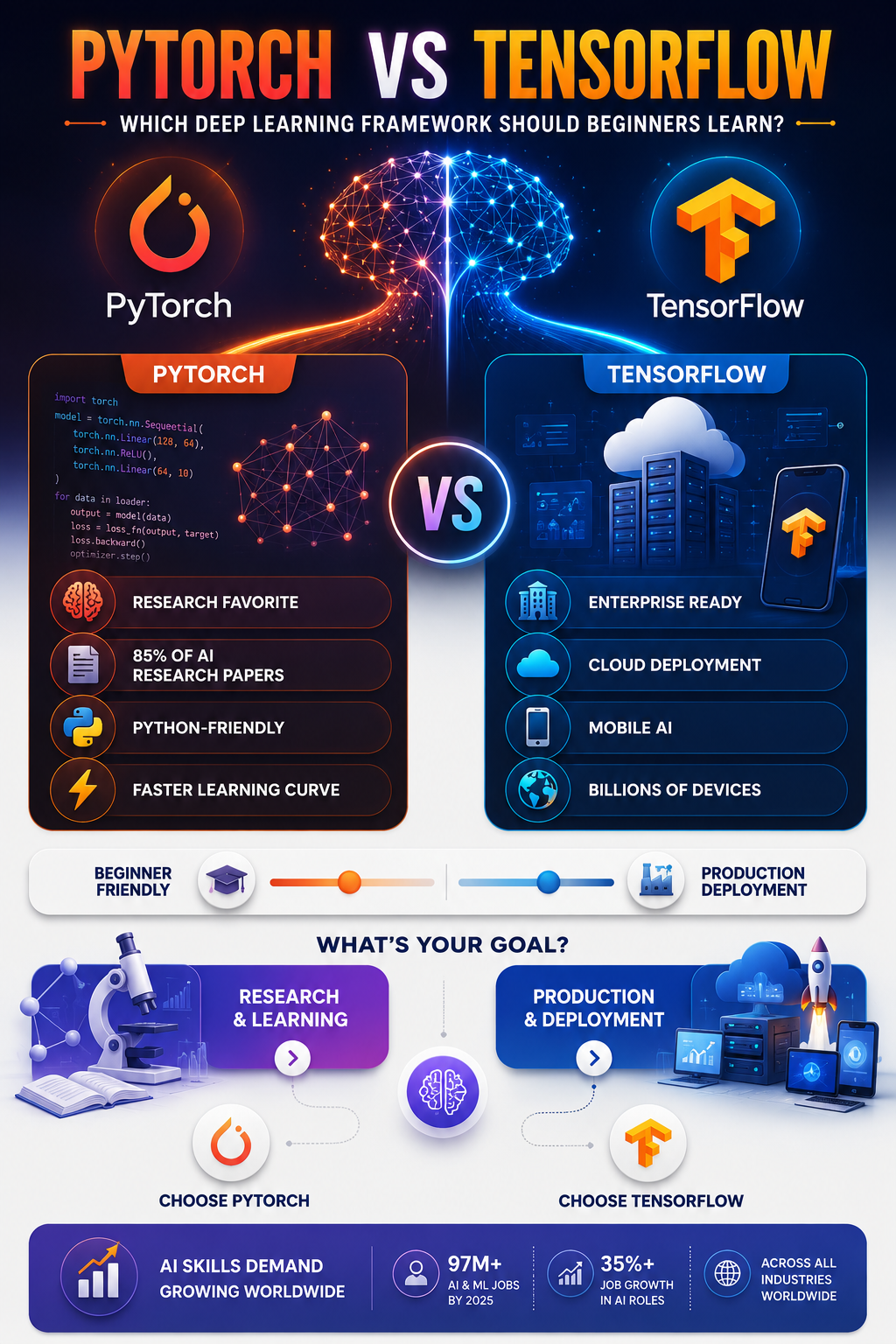 0 Comments 0 Shares 237 Views 0 Reviews
 -
Cybercrime is no longer a background risk. Once it has victimized a business, it becomes a trillion-dollar crisis for it. In 2026, the global cost of cybercrime is projected to surpass $10.5 trillion. Interestingly, the FBI's IC3 received over 1 million complaints in a single year for the first time in history.
The threat landscape concerning cybersecurity has never been more aggressive. AI-powered attacks now operate at machine speed, requiring zero human involvement. Ransomware drives over 50% of all global cyberattacks, and 91% of breaches still begin with a simple phishing email. Cloud intrusions surged 75% year-on-year, while supply chain attacks exploit the vendors you already trust. Small businesses bear the brunt of threats, nearly 60% get out of business within six months of a ransomware attack.
Yet the defense tools are stronger and getting better against such threats. Organizations adopting zero trust architecture, AI-driven detection, and multi-factor authentication are significantly reducing cybersecurity risks. Employee training remains the highest-ROI investment, given phishing's dominance as an entry point. Global cybersecurity spending is rising to $240 billion in 2026, which indicates a clear signal that protection is now a boardroom priority. The question is not whether your company is at the risk of cybersecurity threats, it is whether you will be ready. For more details visit : https://www.skillschool.co.in/courses/free-cybersecurity-certification-training
Cybercrime is no longer a background risk. Once it has victimized a business, it becomes a trillion-dollar crisis for it. In 2026, the global cost of cybercrime is projected to surpass $10.5 trillion. Interestingly, the FBI's IC3 received over 1 million complaints in a single year for the first time in history. The threat landscape concerning cybersecurity has never been more aggressive. AI-powered attacks now operate at machine speed, requiring zero human involvement. Ransomware drives over 50% of all global cyberattacks, and 91% of breaches still begin with a simple phishing email. Cloud intrusions surged 75% year-on-year, while supply chain attacks exploit the vendors you already trust. Small businesses bear the brunt of threats, nearly 60% get out of business within six months of a ransomware attack. Yet the defense tools are stronger and getting better against such threats. Organizations adopting zero trust architecture, AI-driven detection, and multi-factor authentication are significantly reducing cybersecurity risks. Employee training remains the highest-ROI investment, given phishing's dominance as an entry point. Global cybersecurity spending is rising to $240 billion in 2026, which indicates a clear signal that protection is now a boardroom priority. The question is not whether your company is at the risk of cybersecurity threats, it is whether you will be ready. For more details visit : https://www.skillschool.co.in/courses/free-cybersecurity-certification-training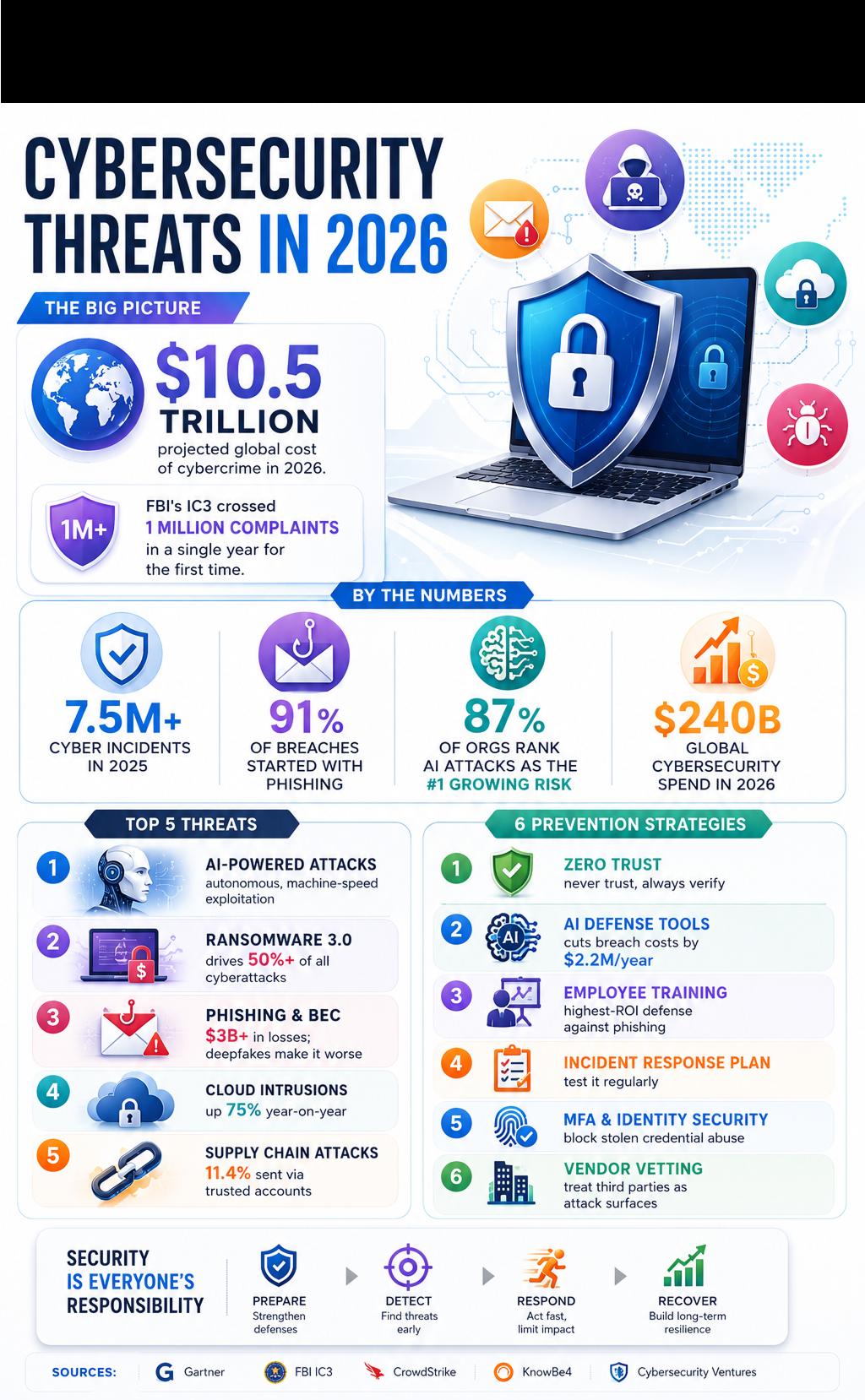 0 Comments 0 Shares 244 Views 0 Reviews
 -
Data Science is becoming one of the most valuable career fields in India and across the world. It helps companies use data to make smarter decisions, improve customer experiences, and drive business growth through AI and analytics.
Today, industries like banking, healthcare, e-commerce, telecom, and manufacturing are heavily investing in artificial intelligence, automation, and machine learning. According to IndiaAI and industry reports, India’s AI market is expected to grow at 25–35% CAGR through 2027, creating over 1 million AI and Data Science jobs by 2026.
A Data Science Certification can help professionals stand out in this fast-growing market. It validates technical skills, improves credibility with recruiters, and opens opportunities for roles such as Data Analyst, Machine Learning Engineer, and AI Specialist.
Certified professionals also benefit from strong salary growth. In India, early-career professionals can earn around ₹9–14 LPA, while experienced Data Science leaders can earn ₹30–60+ LPA depending on their expertise and industry.
Key skills required in this field include Python, SQL, Machine Learning, Data Visualization, AI tools, and Cloud Analytics.
As businesses continue moving toward data-driven decision-making, a Data Science Certification can be a strong step toward building a future-ready career in the digital economy. For more details visit - https://www.skillschool.co.in/courses/free-data-science-certification-training
Data Science is becoming one of the most valuable career fields in India and across the world. It helps companies use data to make smarter decisions, improve customer experiences, and drive business growth through AI and analytics. Today, industries like banking, healthcare, e-commerce, telecom, and manufacturing are heavily investing in artificial intelligence, automation, and machine learning. According to IndiaAI and industry reports, India’s AI market is expected to grow at 25–35% CAGR through 2027, creating over 1 million AI and Data Science jobs by 2026. A Data Science Certification can help professionals stand out in this fast-growing market. It validates technical skills, improves credibility with recruiters, and opens opportunities for roles such as Data Analyst, Machine Learning Engineer, and AI Specialist. Certified professionals also benefit from strong salary growth. In India, early-career professionals can earn around ₹9–14 LPA, while experienced Data Science leaders can earn ₹30–60+ LPA depending on their expertise and industry. Key skills required in this field include Python, SQL, Machine Learning, Data Visualization, AI tools, and Cloud Analytics. As businesses continue moving toward data-driven decision-making, a Data Science Certification can be a strong step toward building a future-ready career in the digital economy. For more details visit - https://www.skillschool.co.in/courses/free-data-science-certification-training 0 Comments 0 Shares 770 Views 0 Reviews
 -
This infographic explains why India urgently needs more cybersecurity specialists. India is moving through accelerated digital growth, and at the same time cyber threats are climbing across multiple sectors, like banking, healthcare, telecom, and even government systems. Things like ransomware, data leaks, and state sponsored intrusion are turning into bigger security risks for companies and institutions.
India is currently in need of roughly 8.2 lakh cybersecurity professionals, yet only about 3.8 lakh skilled experts are actually available. That big workforce gap is putting a kind of pressure on companies to seek trained people who can safeguard digital systems and confidential data. The infographic also seems to point at a few main causes for this shortage, like the continued growth of cloud computing, IoT, 5G and AI tools, but also the fact that there are only limited, practical training programmes for hands-on cybersecurity.
Right now, a lot of cybersecurity job roles are in demand, like Threat Analyst, Incident Responder, Pen Tester, Cloud Security Engineer, DevSecOps specialist, and Forensics expert. To get this moving, we need stronger cross-industry collaboration, refreshed education systems, government backing, plus investment into research and newer startup efforts.
The infographic basically pushes the idea of building a more solid cybersecurity talent pipeline, so India can protect its digital future better and also boost national cyber defence capabilities, overall. For more details visit : https://www.skillschool.co.in/courses/free-cybersecurity-certification-training
This infographic explains why India urgently needs more cybersecurity specialists. India is moving through accelerated digital growth, and at the same time cyber threats are climbing across multiple sectors, like banking, healthcare, telecom, and even government systems. Things like ransomware, data leaks, and state sponsored intrusion are turning into bigger security risks for companies and institutions. India is currently in need of roughly 8.2 lakh cybersecurity professionals, yet only about 3.8 lakh skilled experts are actually available. That big workforce gap is putting a kind of pressure on companies to seek trained people who can safeguard digital systems and confidential data. The infographic also seems to point at a few main causes for this shortage, like the continued growth of cloud computing, IoT, 5G and AI tools, but also the fact that there are only limited, practical training programmes for hands-on cybersecurity. Right now, a lot of cybersecurity job roles are in demand, like Threat Analyst, Incident Responder, Pen Tester, Cloud Security Engineer, DevSecOps specialist, and Forensics expert. To get this moving, we need stronger cross-industry collaboration, refreshed education systems, government backing, plus investment into research and newer startup efforts. The infographic basically pushes the idea of building a more solid cybersecurity talent pipeline, so India can protect its digital future better and also boost national cyber defence capabilities, overall. For more details visit : https://www.skillschool.co.in/courses/free-cybersecurity-certification-training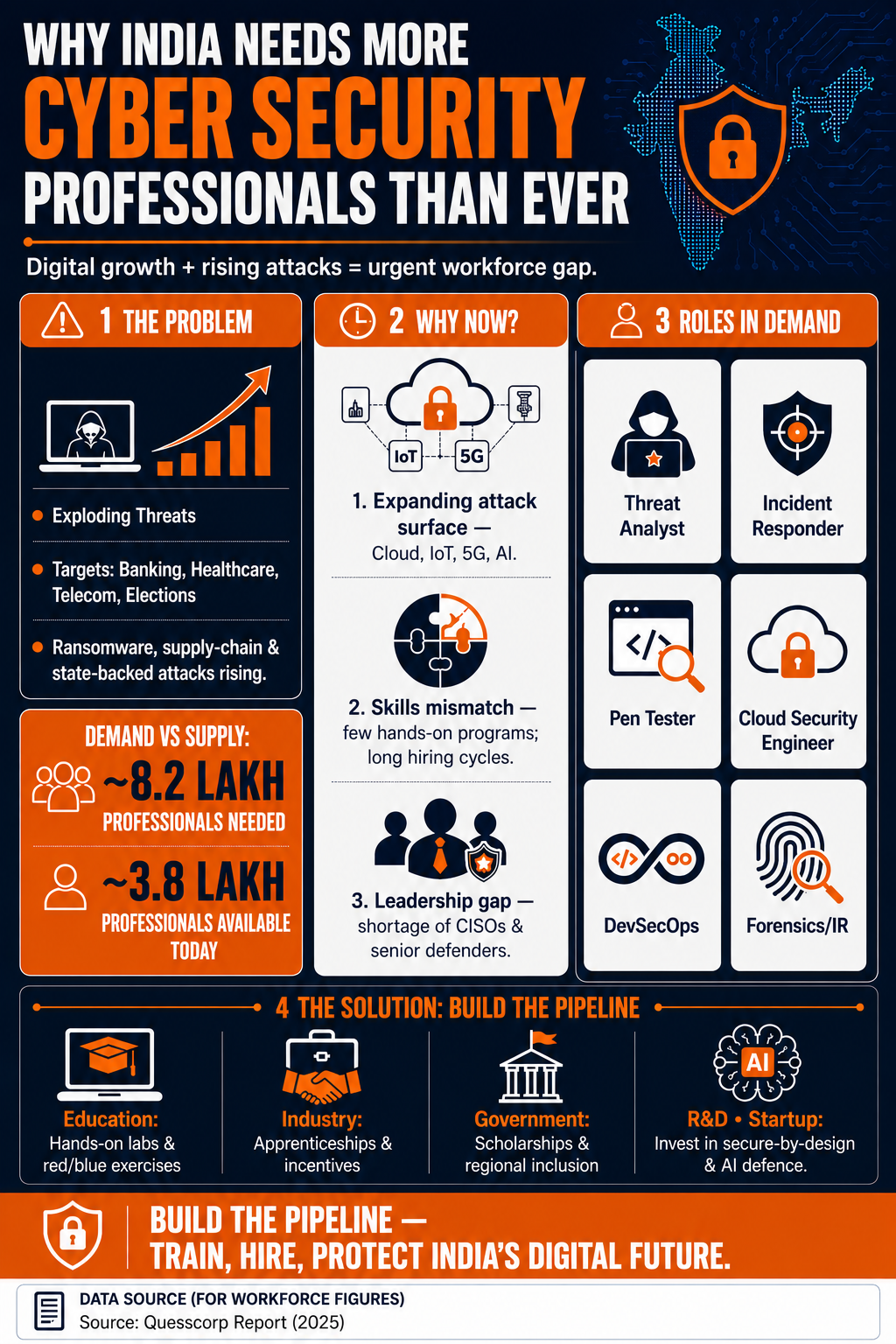 0 Comments 0 Shares 503 Views 0 Reviews

More Stories