


How Can Pantry Cabinet Organization Transform Kitchen Space?
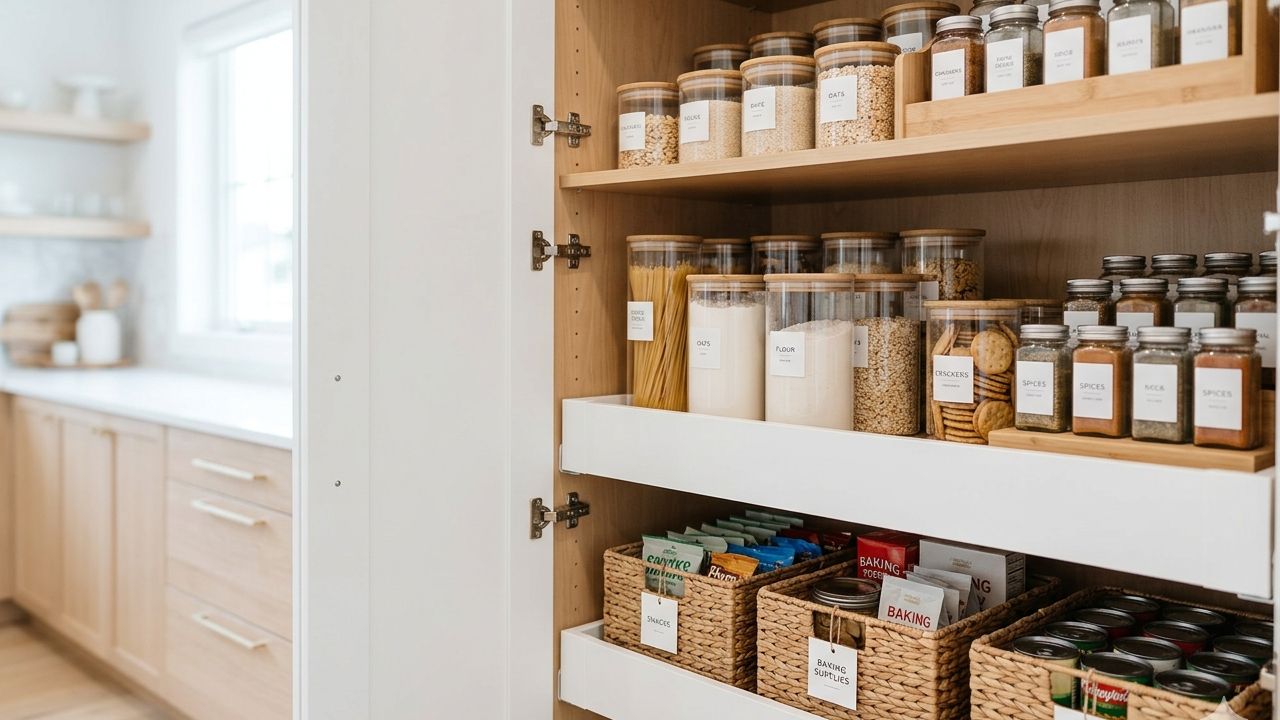
A well-organized kitchen plays a major role in making daily cooking easier, faster, and more enjoyable. Among all storage areas in a kitchen, the pantry cabinet is often the most frequently used and also the most easily cluttered. Without a proper system, it quickly becomes difficult to find ingredients, track food items, and maintain cleanliness. This is where effective pantry cabinet organization becomes essential.
This article explains practical methods, proven strategies, and real-life examples to help you transform your pantry cabinet into a functional and efficient storage space.
Introduction to Pantry Cabinet Organization
Pantry cabinet organization refers to the process of arranging food items, kitchen supplies, and storage containers in a structured and accessible way. The goal is to maximize space, improve visibility, and reduce waste.
A well-organized pantry cabinet helps you:
- Save time while cooking
- Avoid buying duplicate groceries
- Reduce food waste
- Maintain cleanliness and hygiene
- Improve kitchen efficiency
Whether your pantry is large or small, the right organization system can completely change how your kitchen functions.
Understanding Common Pantry Problems
Before improving organization, it is important to understand what usually goes wrong inside pantry cabinets.
1. Lack of Categorization
Many households store all items together without grouping them. Snacks, spices, grains, and canned goods are often mixed, making it difficult to find specific items.
2. Poor Visibility
Items placed at the back of shelves often get forgotten. This leads to expired food and unnecessary waste.
3. Overstocking and Duplication
Without proper tracking, people often buy items they already have, leading to overcrowding.
4. Unused Vertical Space
Many pantry cabinets have adjustable shelves, but the vertical space is not used efficiently.
Identifying these issues is the first step toward building a better system.
Step-by-Step Guide to Pantry Cabinet Organization
A structured approach ensures long-term results. Below is a practical method to organize your pantry effectively.
Step 1: Empty and Declutter Everything
Start by removing all items from your pantry cabinet. This allows you to see everything clearly and identify expired or unused products.
Discard:
- Expired food items
- Damaged packaging
- Rarely used items (if not needed)
This step creates a clean foundation for reorganization.
Step 2: Clean the Cabinet Thoroughly
Before placing items back, clean every shelf properly. Wipe dust, remove stains, and ensure the cabinet is dry. A clean surface helps maintain hygiene and prevents pests.
Step 3: Categorize All Items
Group similar items together. Common categories include:
- Grains and rice
- Baking supplies
- Snacks
- Canned goods
- Spices and condiments
- Breakfast items
This grouping makes it easier to find items quickly.
Step 4: Use Storage Containers
Transparent containers are highly effective for pantry cabinet organization. They help you:
- See contents easily
- Keep food fresh longer
- Stack items efficiently
Label each container clearly to avoid confusion.
Step 5: Assign Zones in the Cabinet
Divide your pantry into zones based on usage:
- Eye-level shelves: frequently used items
- Upper shelves: less-used items
- Lower shelves: heavy items
This zoning system improves accessibility and reduces effort.
Smart Storage Ideas for Better Efficiency
Once the basic organization is done, advanced storage techniques can further improve your pantry system.
Use Stackable Containers
Stackable containers help maximize vertical space. They are especially useful for small kitchens where space is limited.
Install Shelf Risers
Shelf risers create extra layers inside a single shelf, allowing you to store more items without clutter.
Add Lazy Susans
Rotating trays are ideal for spices, sauces, and small jars. They make items at the back easily reachable.
Use Door Storage
The inside of pantry doors can hold small racks for spices, packets, or lightweight items.
These small additions significantly improve storage efficiency.
Labeling System for Easy Identification
Labeling is one of the most important parts of pantry cabinet organization. Without labels, even well-arranged items can become confusing over time.
Types of Labels
- Printed labels for a clean look
- Chalkboard labels for flexibility
- Transparent stickers for minimal design
What to Label
- Containers
- Shelves
- Storage baskets
Clear labeling helps every family member maintain the system consistently.
Maintaining Pantry Organization Long-Term
Organizing your pantry is only the first step. Maintaining it is equally important.
Follow the One-In, One-Out Rule
When you bring a new item into the pantry, try to use or remove an old one. This prevents overcrowding.
Weekly Quick Check
Spend 10–15 minutes each week checking:
- Expiry dates
- Messy areas
- Missing labels
Monthly Reset
Once a month, reorganize lightly to ensure everything remains in order.
Consistency is key to long-term success.
Real-Life Example of an Organized Pantry Cabinet
Consider a medium-sized family kitchen where the pantry was always messy. Items were randomly placed, and expired goods were often found at the back.
After applying pantry cabinet organization techniques:
- All items were grouped into categories
- Clear containers replaced original packaging
- Frequently used items were moved to eye-level shelves
- Labels were added to every container
Within weeks, cooking became faster, grocery shopping became easier, and food waste reduced significantly. This shows how small changes can make a big difference.
Benefits of Proper Pantry Cabinet Organization
A well-organized pantry offers multiple long-term benefits.
1. Saves Time
You no longer need to search for ingredients while cooking.
2. Reduces Stress
A clean and structured pantry creates a calm kitchen environment.
3. Improves Budget Control
You avoid unnecessary duplicate purchases.
4. Enhances Food Safety
Proper storage reduces spoilage and contamination risks.
5. Maximizes Space
Even small cabinets can hold more when organized efficiently.
Common Mistakes to Avoid
Even with good intentions, some mistakes can reduce effectiveness.
Ignoring Regular Maintenance
Without upkeep, the pantry quickly becomes messy again.
Using Too Many Containers
Overusing containers can create unnecessary complexity.
Not Labeling Properly
Unlabeled items lead to confusion and disorganization.
Overloading Shelves
Too many items reduce accessibility and increase clutter.
Avoiding these mistakes ensures long-lasting organization.
Conclusion
Pantry cabinet organization is not just about making your kitchen look neat; it is about improving efficiency, saving time, and creating a smoother cooking experience. By decluttering, categorizing items, using smart storage tools, and maintaining consistency, any pantry cabinet can be transformed into a highly functional space.
Whether you have a small kitchen or a large one, applying these practical strategies will help you stay organized and in control of your food storage. A well-maintained pantry leads to a more productive kitchen and a more enjoyable daily routine.

 English
 Arabic
 French
 Spanish
 Portuguese
 Deutsch
 Turkish
 Dutch
Dutch
 Italiano
 Russian
 Romaian
 Portuguese (Brazil)