


Transform Your Kitchen with Cabinet Color Change and Cabinet Restoration: A Complete Home Upgrade Guide
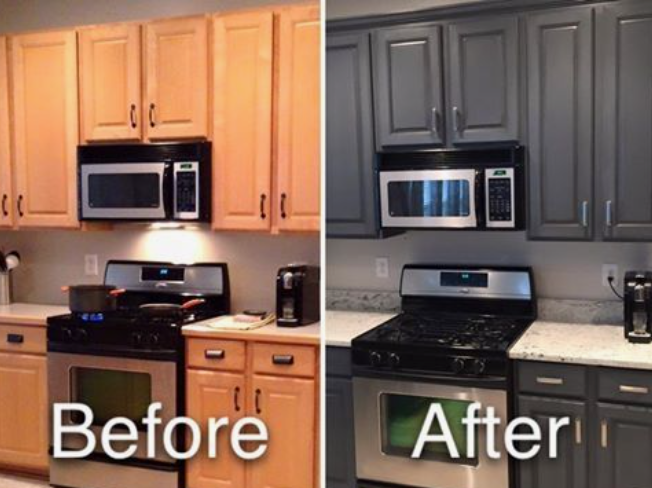
Your kitchen is often the heart of your home, and the appearance of your cabinets plays a major role in its overall style and atmosphere. Over time, cabinets can become outdated, scratched, faded, or simply no longer match your design preferences. However, replacing them entirely is not always necessary. Two cost-effective and highly impactful solutions—cabinet color change and cabinet restoration—can completely revitalize your space without the expense of a full remodel.
In this article, we’ll explore what these processes involve, their benefits, differences, costs, techniques, and why they are becoming increasingly popular among homeowners looking for affordable home improvement options.
What Is Cabinet Color Change?
A cabinet color change refers to the process of altering the existing color of your cabinets without replacing the structure. This is typically done through painting, refinishing, or applying specialized coatings designed for cabinetry.
Instead of tearing out old cabinets, professionals or DIY homeowners update the finish to match modern trends or personal style preferences. Whether you want a bright white modern kitchen, a deep navy luxury look, or a warm natural wood tone, a cabinet color change can make it possible.
Common Methods Used in Cabinet Color Change
- Painting Cabinets
- One of the most popular methods
- Requires sanding, priming, and multiple coats of durable paint
- Offers endless color options
- Involves stripping the old finish and applying a new stain or paint
- Preserves wood texture if desired
- A modern option using adhesive film
- Provides a smooth, factory-like finish
Each method has its own advantages depending on budget, cabinet condition, and desired look.
What Is Cabinet Restoration?
Cabinet restoration goes beyond changing color. It focuses on repairing, reviving, and preserving existing cabinets so they look and function like new again.
Restoration is ideal for cabinets that have structural wear, damaged surfaces, broken hinges, or aging wood. Instead of simply improving appearance, it addresses both aesthetics and functionality.
Key Steps in Cabinet Restoration
- Inspection and Assessment
- Identifying damage such as cracks, water exposure, or loose joints
- Fixing structural issues
- Replacing hardware like hinges, handles, and drawer slides
- Sanding, cleaning, and restoring wood texture
- Applying sealants or finishes to extend durability
Cabinet restoration is often considered a more comprehensive solution compared to a simple color change.
Cabinet Color Change vs Cabinet Restoration
While both services improve cabinet appearance, they serve different purposes.
Cabinet Color Change
- Focuses on visual transformation
- Best for cabinets in good structural condition
- Faster and more affordable
- Ideal for modernizing outdated colors
Cabinet Restoration
- Focuses on repair and longevity
- Best for damaged or aging cabinets
- More labor-intensive
- Extends cabinet lifespan significantly
In many cases, homeowners combine both approaches—restoring the structure first, then changing the color for a complete makeover.
Benefits of Cabinet Color Change
1. Cost-Effective Upgrade
Replacing kitchen cabinets can be extremely expensive. A cabinet color change delivers a dramatic transformation at a fraction of the cost.
2. Quick Transformation
Most color change projects can be completed within a few days, making it ideal for busy homeowners.
3. Customization Options
From matte finishes to glossy modern looks, you can choose from a wide range of styles and colors.
4. Eco-Friendly Solution
Instead of sending old cabinets to landfills, repainting or refinishing reduces waste and supports sustainability.
Benefits of Cabinet Restoration
1. Extends Cabinet Lifespan
Restoration helps preserve existing materials, saving you from costly replacements.
2. Improves Functionality
Loose doors, broken drawers, and worn-out hinges are repaired, improving everyday usability.
3. Enhances Home Value
Well-restored cabinets increase the overall appeal and value of your home, especially in kitchens and bathrooms.
4. Maintains Original Craftsmanship
Older cabinets are often made with high-quality wood that is worth preserving rather than replacing.
Popular Trends in Cabinet Color Change
Home design trends evolve constantly, and cabinet colors are no exception. Here are some of the most popular choices today:
- Classic White: Clean, timeless, and brightens any kitchen
- Matte Black: Modern and luxurious
- Soft Gray: Neutral and versatile
- Deep Blue or Navy: Elegant and bold
- Natural Wood Finishes: Rustic and warm aesthetic
Many homeowners are also combining two-tone designs, such as white upper cabinets with darker lower cabinets, for a stylish contrast.
When Should You Choose Cabinet Restoration?
You should consider cabinet restoration if:
- Your cabinets have structural damage
- Doors or drawers are not functioning properly
- Wood is cracked, warped, or water-damaged
- You want to preserve high-quality wood cabinetry
- You are preparing your home for resale
Restoration ensures your cabinets are not only visually appealing but also durable and functional.
DIY vs Professional Services
Both cabinet color change and restoration can be done as DIY projects, but professional services often deliver superior results.
DIY Pros:
- Lower cost
- Flexible timeline
- Satisfaction of hands-on work
DIY Cons:
- Requires skill and patience
- Risk of uneven finishes
- Limited access to professional-grade materials
Professional Pros:
- High-quality, durable finish
- Faster completion time
- Expert repair and restoration work
- Access to industrial tools and coatings
For long-lasting results, many homeowners prefer hiring professionals, especially for larger kitchens.
Cost Considerations
The cost of cabinet color change and restoration depends on several factors:
- Size of kitchen
- Condition of cabinets
- Type of materials used
- Labor costs in your area
- Complexity of repairs or refinishing
Generally, cabinet color change is more affordable, while restoration costs more due to repair work but still significantly less than full replacement.
Maintenance After Cabinet Update
After completing a cabinet color change or restoration, proper maintenance is essential:
- Clean regularly with mild soap and water
- Avoid harsh chemicals
- Wipe spills immediately
- Use soft cloths to prevent scratches
- Check hinges and hardware periodically
Proper care ensures your cabinets stay beautiful and functional for years.
Conclusion
Whether you choose a cabinet color change for a fresh new look or cabinet restoration for deeper repair and longevity, both options offer excellent alternatives to expensive kitchen replacements. These services allow homeowners to modernize their space, preserve quality craftsmanship, and increase home value without breaking the bank.
With the right approach—whether DIY or professional—you can transform your kitchen into a stylish, functional, and inviting space that reflects your personal taste and enhances your everyday living experience.

 English
 Arabic
 French
 Spanish
 Portuguese
 Deutsch
 Turkish
 Dutch
Dutch
 Russian
 Romaian
 Portuguese (Brazil)
 Greek
Greek