


What Is Mold Testing and Why Is It Important Today
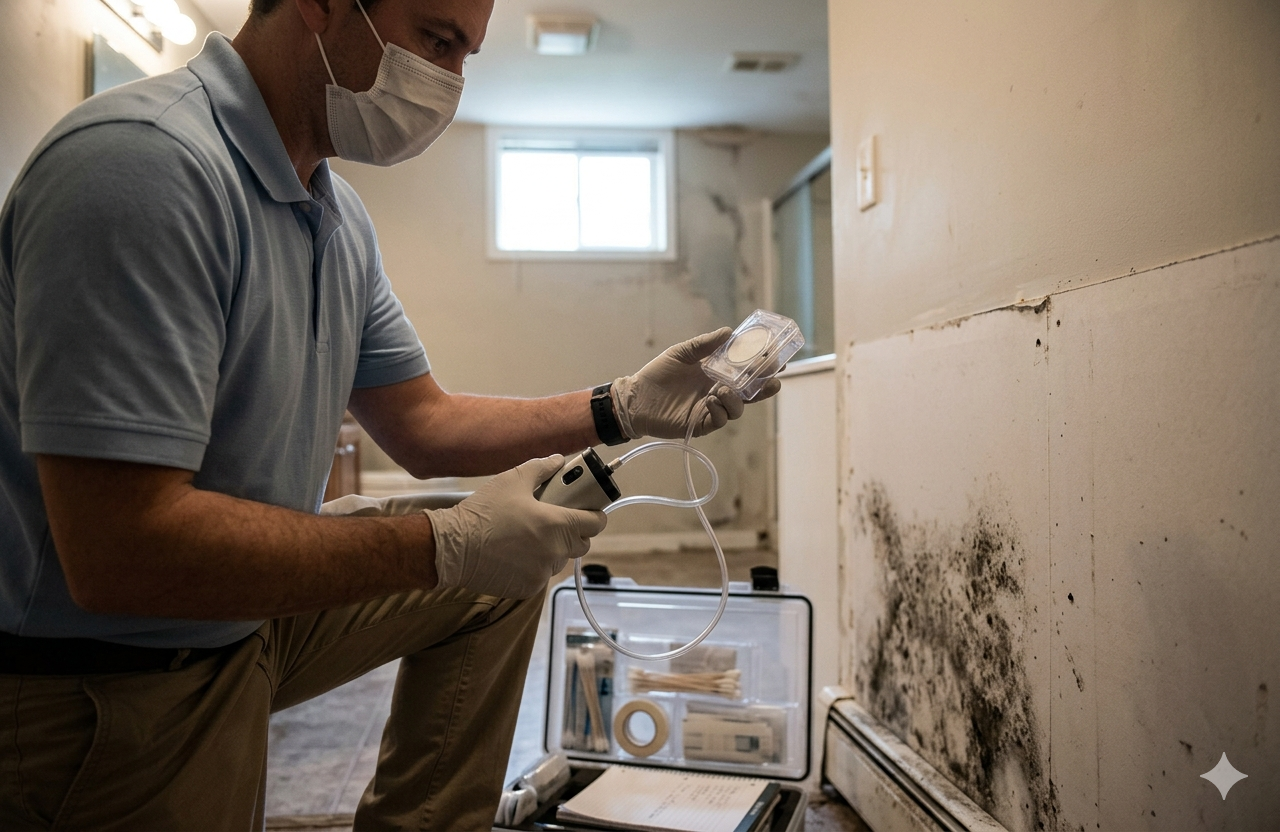
Mold can develop in homes, offices, and commercial buildings without being immediately visible. While some mold growth is easy to spot, hidden mold can spread behind walls, under flooring, inside HVAC systems, and in damp basements. Because mold can affect indoor air quality and damage building materials, identifying its presence early is essential.
This is where mold testing becomes valuable. Mold testing helps determine whether mold is present, identifies the type of mold, and measures the concentration of mold spores in the indoor environment. Whether you are dealing with a musty odor, recent water damage, or unexplained allergy symptoms, mold testing provides important information that can guide the next steps.
In this article, we will explore what mold testing is, how it works, why it matters, and when you should consider scheduling a professional inspection.
What Is Mold Testing?
Mold testing is the process of collecting and analyzing samples from a property to determine the presence and extent of mold contamination. The goal is to identify mold spores in the air, on surfaces, or within building materials.
Professional mold inspectors use specialized equipment and laboratory analysis to evaluate mold levels and determine whether conditions inside a building are normal or potentially problematic.
Testing can reveal:
- The presence of mold spores in the air
- The type of mold growing in a property
- Areas with elevated mold concentrations
- Hidden mold problems that are not visible
- Indoor air quality concerns related to mold
The results help homeowners and property managers make informed decisions regarding remediation and prevention.
Why Is Mold Testing Important?
Detects Hidden Mold
Not all mold growth is visible. Mold often develops behind drywall, under carpets, inside ceilings, and within ventilation systems. A property may appear clean while mold continues to spread unnoticed.
Professional mold testing can identify hidden mold problems before they become more severe and costly.
Improves Indoor Air Quality
Mold releases microscopic spores into the air. These spores can circulate throughout a building and affect indoor air quality. Testing helps determine whether airborne mold levels are elevated and whether remediation is necessary.
Supports Health and Safety
Many people experience symptoms when exposed to mold-contaminated environments. Common complaints include:
- Sneezing
- Coughing
- Nasal congestion
- Eye irritation
- Headaches
- Skin irritation
Although reactions vary from person to person, mold testing can help identify environmental factors contributing to indoor air quality concerns.
Prevents Property Damage
Mold feeds on organic materials such as wood, drywall, insulation, and carpeting. Over time, mold growth can weaken building materials and lead to expensive repairs.
Early detection through mold testing can reduce long-term structural damage and remediation costs.
Common Types of Mold Found Indoors
Several mold species are commonly found in residential and commercial buildings.
Aspergillus
Aspergillus is one of the most frequently detected indoor molds. It can grow on walls, insulation, fabrics, and air conditioning systems.
Cladosporium
This mold often develops on wood surfaces, carpets, and textiles. It can grow in both warm and cool environments.
Penicillium
Penicillium spreads rapidly in areas affected by moisture. It is commonly found on water-damaged materials.
Stachybotrys
Often referred to as black mold, Stachybotrys thrives in areas with prolonged moisture exposure. It is commonly associated with water-damaged drywall and wood products.
Identifying the mold species present can help determine the severity of contamination and the most effective remediation strategy.
Types of Mold Testing
Air Sampling
Air sampling is one of the most common mold testing methods. Inspectors collect air samples using specialized pumps and collection devices.
The samples are sent to a laboratory where technicians analyze mold spore concentrations and identify mold species.
Air testing is useful for:
- Detecting airborne mold spores
- Evaluating indoor air quality
- Comparing indoor and outdoor mold levels
Surface Sampling
Surface sampling involves collecting material from visible mold growth using swabs, tape lifts, or bulk samples.
This method helps determine:
- The type of mold present
- The extent of contamination
- Whether suspicious growth is actually mold
Bulk Sampling
Bulk sampling involves removing a small portion of affected building material for laboratory analysis.
Examples include:
- Drywall
- Carpet
- Insulation
- Wood
This testing method is useful when inspectors suspect mold growth inside building materials.
Moisture Assessment
While not technically mold testing, moisture detection is a critical part of a mold inspection.
Inspectors use moisture meters and thermal imaging cameras to identify hidden moisture sources that may support mold growth.
Signs You May Need Mold Testing
Homeowners should consider mold testing when they notice warning signs such as:
Persistent Musty Odors
A strong earthy or musty smell often indicates hidden mold growth.
Recent Water Damage
Flooding, plumbing leaks, roof leaks, and foundation issues create ideal conditions for mold development.
Visible Mold Growth
Even small patches of mold can indicate a larger hidden problem.
Unexplained Indoor Air Quality Issues
If occupants experience ongoing respiratory irritation or allergy-like symptoms indoors, mold testing may help identify environmental concerns.
Real Estate Transactions
Many buyers request mold testing before purchasing a property to identify potential issues before closing.
What Happens During a Professional Mold Inspection?
A professional mold inspection typically follows several steps.
Visual Examination
The inspector evaluates the property for signs of moisture damage, staining, condensation, and visible mold growth.
Moisture Detection
Specialized tools help locate hidden moisture behind walls, ceilings, and flooring.
Sample Collection
Air, surface, or bulk samples are collected based on the property's conditions.
Laboratory Analysis
Certified laboratories analyze samples and identify mold types and concentrations.
Detailed Report
The client receives a report outlining findings, laboratory results, and recommendations for remediation if necessary.
How to Prevent Mold Growth
While mold testing helps identify existing problems, prevention remains the best strategy.
Effective mold prevention measures include:
- Fixing leaks immediately
- Maintaining indoor humidity below 60%
- Improving ventilation
- Using dehumidifiers in damp areas
- Cleaning and drying water-damaged materials quickly
- Inspecting roofs and plumbing regularly
Controlling moisture is the most important factor in preventing mold growth.
Choosing a Professional Mold Testing Company
When selecting a mold testing provider, consider the following factors:
Experience and Training
Choose inspectors with experience in mold assessment and indoor air quality evaluations.
Independent Testing Services
Independent testing companies provide objective results and recommendations.
Laboratory Analysis
Ensure samples are analyzed by accredited laboratories.
Comprehensive Reporting
A detailed report should include findings, sample results, and recommended next steps.
Positive Customer Reviews
Research online reviews and testimonials to evaluate service quality and reliability.
Conclusion
Mold testing is an essential tool for identifying hidden mold, evaluating indoor air quality, and protecting both property and occupants. Whether you have experienced water damage, noticed unusual odors, or simply want peace of mind, professional mold testing can provide accurate information about your indoor environment.
By detecting mold early, homeowners can address issues before they lead to significant property damage or costly repairs. Combined with proper moisture control and regular inspections, mold testing plays a critical role in maintaining a healthy and safe indoor space.

 English
 French
 Spanish
 Portuguese
 Deutsch
 Turkish
 Dutch
Dutch
 Italiano
 Russian
 Romaian
 Portuguese (Brazil)
 Greek
Greek