


A Step-by-Step Guide to the Cortisol Blood Test Process
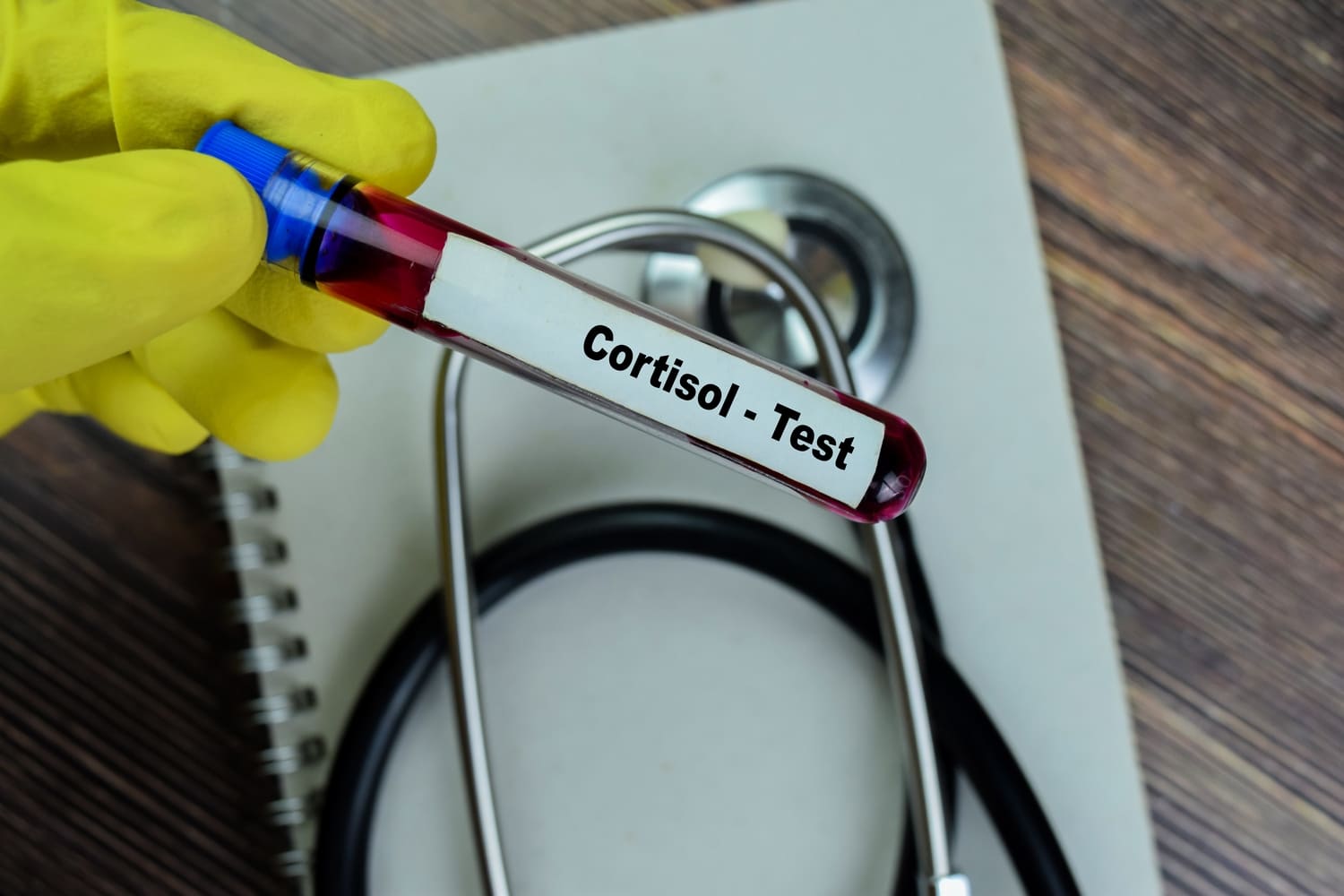
Medical tests can often feel intimidating, especially when they involve hormones and potential endocrine disorders. Many patients scheduled for a cortisol blood test wonder what the procedure involves, how they should prepare, and what their results might reveal about their health.
A Cortisol Blood Test Dubai is a commonly used diagnostic tool that measures the amount of cortisol in the bloodstream. Cortisol is a vital hormone produced by the adrenal glands and plays a critical role in energy regulation, stress response, metabolism, immune function, and blood pressure control.
Whether your healthcare provider is investigating chronic fatigue, hormonal imbalance, adrenal insufficiency, Cushing syndrome, or unexplained symptoms, understanding the testing process can help you feel more informed and confident. This guide walks through every stage of the cortisol blood test journey, from the initial recommendation to interpreting the final results.
Why Your Doctor Recommends a Cortisol Blood Test?
The process typically begins during a medical consultation when symptoms suggest a possible hormone imbalance or adrenal gland disorder.
Healthcare providers may recommend cortisol testing for symptoms such as:
- Persistent fatigue
- Low energy levels
- Unexplained weight gain or weight loss
- Muscle weakness
- Sleep disturbances
- High blood pressure
- Low blood pressure
- Chronic stress symptoms
- Anxiety and mood changes
- Blood sugar irregularities
Because cortisol affects multiple body systems, testing helps healthcare professionals determine whether abnormal hormone production may be contributing to these health concerns.
In many cases, the cortisol blood test serves as an important first step toward diagnosing endocrine disorders.
Scheduling the Test:
Once the test is ordered, scheduling becomes an important part of the process.
Unlike many routine blood tests, cortisol testing requires careful timing because cortisol levels naturally fluctuate throughout the day.
Healthy cortisol production follows a circadian rhythm:
- Highest levels occur early in the morning
- Levels gradually decline during the day
- Lowest levels occur late at night
For this reason, healthcare providers often request blood collection during specific hours, most commonly in the morning.
The exact testing time may vary depending on the condition being investigated and the information needed from the results.
Preparing Before the Appointment:
Proper preparation helps improve the accuracy of cortisol measurements.
Your healthcare provider may provide specific instructions before testing.
Discuss Current Medications:
Certain medications can affect cortisol levels.
Examples include:
- Corticosteroids
- Birth control pills
- Hormone replacement therapy
- Anti-seizure medications
- Certain anti-inflammatory drugs
Always inform your healthcare provider about prescription medications, over-the-counter products, and supplements.
Avoid Excessive Physical Activity:
Intense exercise can temporarily increase cortisol production.
Many healthcare providers recommend avoiding strenuous workouts before testing.
Prioritize Quality Sleep:
Sleep significantly influences cortisol secretion.
Maintaining a regular sleep schedule before the test may help ensure more accurate results.
Manage Stress Levels:
Although stress cannot always be avoided, minimizing unnecessary stress before testing may help reduce temporary cortisol fluctuations.
Following preparation instructions carefully helps healthcare providers obtain the most reliable hormone measurements.
Arriving at the Testing Facility:
On the day of the appointment, the process is generally quick and straightforward.
Most cortisol blood tests are performed at:
- Hospitals
- Diagnostic laboratories
- Outpatient clinics
- Endocrinology centers
Patients are typically asked to:
- Confirm identification details
- Review medical information
- Verify medications and health history
- Complete any required paperwork
The actual blood collection usually takes only a few minutes.
The Blood Sample Collection Process:
Many patients are concerned about the blood draw itself. Fortunately, the procedure is simple and minimally invasive.
Preparing the Collection Site:
A healthcare professional cleans the skin, usually on the inside of the elbow or another accessible vein.
Applying the Tourniquet:
A tourniquet is placed around the upper arm to make veins easier to locate.
Drawing the Blood Sample:
A sterile needle is inserted into the vein, and a small amount of blood is collected into specialized tubes.
Completing the Collection:
Once enough blood has been obtained, the needle is removed and a bandage is applied.
Most people experience only mild discomfort during this process.
The entire procedure generally lasts less than ten minutes.
What Happens Behind the Scenes in the Laboratory?
After collection, the blood sample is transported to a laboratory for analysis.
Specialized equipment measures cortisol concentration within the blood sample.
Laboratory professionals use advanced testing methods to ensure:
- Precision
- Consistency
- Reliability
- Quality control
Results are compared to established reference ranges that account for factors such as testing time and laboratory standards.
This scientific analysis provides the foundation for evaluating adrenal gland function and hormone production.
Understanding Normal Cortisol Levels:
Once results become available, healthcare providers evaluate whether cortisol production falls within expected ranges.
Normal cortisol levels generally indicate:
- Proper adrenal gland function
- Healthy hypothalamic-pituitary-adrenal axis activity
- Balanced hormone regulation
- Appropriate stress hormone production
However, normal results do not automatically rule out all endocrine disorders.
Healthcare providers also consider symptoms, medical history, and other laboratory findings when interpreting results.
What High Cortisol Levels May Reveal?
If cortisol levels appear elevated, healthcare providers investigate possible causes.
Chronic Stress:
Long-term physical or emotional stress can increase cortisol production.
Cushing Syndrome:
This condition occurs when the body produces excessive cortisol over an extended period.
Symptoms may include:
- Weight gain
- High blood pressure
- Elevated blood sugar
- Muscle weakness
- Sleep disturbances
Adrenal or Pituitary Disorders:
Tumors affecting the adrenal glands or pituitary gland can contribute to abnormal cortisol production.
High cortisol results often lead to further diagnostic testing.
What Low Cortisol Levels May Reveal?
Low cortisol levels may indicate inadequate hormone production.
Possible causes include:
Addison's Disease:
A disorder in which the adrenal glands cannot produce sufficient cortisol.
Adrenal Insufficiency:
This condition limits the body's ability to regulate energy, blood pressure, and stress response.
Pituitary Dysfunction:
Insufficient ACTH production can reduce cortisol secretion from the adrenal glands.
Symptoms commonly associated with low cortisol include:
- Chronic fatigue
- Muscle weakness
- Dizziness
- Low blood pressure
- Weight loss
Additional testing is often recommended to confirm the diagnosis.
Follow-Up Testing and Further Evaluation:
A cortisol blood test is often only one part of the diagnostic process.
Depending on the findings, healthcare providers may recommend:
ACTH Blood Testing:
Measures the hormone responsible for stimulating cortisol production.
ACTH Stimulation Test:
Evaluates how effectively the adrenal glands respond to hormonal signals.
Salivary Cortisol Testing:
Assesses cortisol levels at different times throughout the day.
24-Hour Urinary Cortisol Test:
Measures total cortisol production over a complete day.
These tests provide a more comprehensive assessment of endocrine health.
Common Questions Patients Ask About Cortisol Testing:
Is the Test Painful?
Most patients experience only minor discomfort during blood collection.
Do I Need to Fast?
Fasting requirements vary depending on the healthcare provider and any additional tests being performed.
How Long Does It Take to Get Results?
Results are often available within a few days, although timing varies by laboratory.
Can Stress Affect the Results?
Yes. Emotional stress, illness, and physical exertion can influence cortisol levels.
Healthcare providers consider these factors when interpreting results.
How the Results Help Guide Treatment?
The primary goal of cortisol testing is not simply identifying abnormal numbers but understanding the underlying cause.
Depending on the diagnosis, treatment may involve:
- Hormone replacement therapy
- Medication adjustments
- Management of adrenal disorders
- Treatment of pituitary conditions
- Lifestyle modifications
- Stress management strategies
Accurate diagnosis allows healthcare providers to develop personalized treatment plans that address the root cause of symptoms.
Conclusion:
A cortisol blood Lab tests is a straightforward yet powerful diagnostic tool that helps healthcare providers evaluate adrenal gland function, hormone balance, and the body's stress response system. From scheduling the test and preparing properly to understanding the meaning of the results, each stage contributes to obtaining an accurate picture of endocrine health.
Whether investigating chronic fatigue, hormonal imbalance, Cushing syndrome, Addison's disease, adrenal insufficiency, or unexplained symptoms, the cortisol blood test provides valuable information that can guide diagnosis and treatment. By understanding the process step by step, patients can approach testing with confidence and gain important insights into their overall health and well-being.

 English
 Arabic
 French
 Spanish
 Portuguese
 Deutsch
 Dutch
Dutch
 Italiano
 Russian
 Romaian
 Portuguese (Brazil)
 Greek
Greek