


The Impact of Voice Search on AEO Strategy
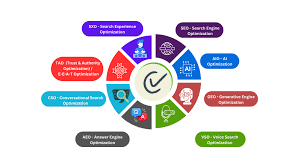
Explore The Impact of Voice Search on AEO Strategy
Voice search has rapidly transformed how users interact with digital devices, from smartphones to smart speakers. With the rise of virtual assistants like Google Assistant, Amazon Alexa, and Apple Siri, people are increasingly relying on spoken queries instead of typed searches. This shift has a profound effect on search optimization strategies, particularly Answer Engine Optimization (AEO), which focuses on delivering direct, concise answers to user questions.
Understanding Voice Search
Voice search allows users to speak queries naturally rather than typing keywords. This fundamentally changes the way content must be structured. Users tend to ask longer, conversational questions when speaking, such as “What are the best wireless headphones for running?” instead of typing “wireless headphones running.”
These natural language queries require AEO strategies that focus on context, relevance, and conciseness. Unlike traditional SEO, which often targets short-tail or exact-match keywords, AEO must consider intent, semantics, and the likelihood of a voice assistant reading the content aloud.
The Rise of Voice-Activated Devices
The proliferation of smart devices has fueled voice search adoption. Smart speakers, IoT devices, and voice-enabled mobile assistants provide instant answers to everyday queries, from weather updates to shopping advice. According to recent studies, nearly 60% of users engage with voice search at least once per day, signaling a significant opportunity for businesses that optimize for this channel.
For marketers, understanding the types of questions users ask through voice search helps in structuring content that can be directly pulled by virtual assistants. This is where AEO becomes critical—ensuring content is concise, authoritative, and directly answers user questions.
How Voice Search Changes User Behavior
Voice search encourages a more conversational and question-based approach. Unlike traditional typed queries, users now phrase their searches in natural language, often asking full questions. This shift requires businesses to rethink how they analyze search intent and anticipate the specific queries users are likely to ask.
Users also expect immediate and accurate responses when using voice search. Delays or vague answers can lead to a poor experience and lost opportunities. Therefore, businesses must provide clear, concise answers that directly address user questions to maintain engagement and relevance.
In addition, voice search frequently returns a single featured snippet or knowledge panel rather than a full list of search results. This highlights the importance of structured data, schema markup, and precise content formatting. Without proper optimization, websites risk missing out on voice-driven traffic, particularly in local searches, e-commerce queries, and informational searches.
Key Elements of AEO for Voice Search
Optimizing for voice search requires several strategic adjustments:
-
Conversational Keywords: Target natural language queries and long-tail phrases.
-
Featured Snippets: Structure content in paragraphs, bullet points, and lists to improve chances of being read aloud.
-
Local Optimization: Voice search is heavily local; optimize Google Business profiles and local citations.
-
Concise Answers: Provide short, direct answers to questions, ideally 40–50 words for easy voice reading.
-
Structured Data: Implement schema markup for products, FAQs, reviews, and events to improve the likelihood of being featured.
These adjustments ensure that when a voice query is made, your content is positioned as the most relevant and authoritative response.
Voice Search and Mobile SEO
Mobile usage and voice search are closely connected, as a significant portion of voice queries are performed on smartphones and tablets. Users often perform these searches while commuting, shopping, or multitasking, which makes website speed, responsive design, and content accessibility essential for a positive user experience.
Websites that are slow to load or have poorly structured mobile layouts risk being ignored by voice assistants, reducing the chances of appearing in featured snippets or voice responses. Optimizing for mobile ensures that content can be quickly interpreted and delivered accurately, improving both visibility and engagement.
By prioritizing mobile responsiveness and accessibility, many Top Digital Marketing Agency emphasize integrating mobile-first strategies with Answer Engine Optimization (AEO), helping businesses enhance their voice search performance while ensuring content meets user expectations across all devices.
Measuring the Impact of Voice Search on AEO
Tracking performance in voice search requires a combination of analytics and behavioral insights. While traditional ranking reports provide visibility for typed queries, voice search data often comes from:
-
Featured snippet impressions
-
FAQ schema performance
-
Local pack clicks and directions requests
-
Search Console query data filtered for question-based phrases
Analyzing these metrics allows marketers to refine AEO strategies and identify which content is most frequently accessed via voice search.
Challenges in Optimizing for Voice Search
Optimizing for voice search presents unique challenges:
-
Ambiguity in Queries: Users may phrase questions in countless ways.
-
Limited SERP Real Estate: Voice assistants typically read only one or two results aloud.
-
Data Availability: Detailed voice search analytics are limited compared to traditional SEO.
-
Local Relevance: Voice searches often prioritize nearby results, requiring precise local optimization.
Strategies to Align AEO with Voice Search
To maximize the impact of voice search, businesses should:
-
Conduct extensive keyword research using natural language queries.
-
Optimize content for featured snippets and FAQ sections.
-
Use structured data extensively to increase machine readability.
-
Maintain concise, authoritative, and user-friendly content.
-
Monitor voice search metrics alongside traditional SEO KPIs for continuous improvement.
By implementing these strategies, businesses increase the likelihood of being selected as the voice response for relevant queries.
The Role of AI in Voice Search
Artificial Intelligence and Natural Language Processing (NLP) are central to voice search. Search engines analyze context, user intent, and semantics to deliver precise answers. AEO strategies must incorporate AI-friendly content structures and semantic optimization to remain competitive.
Using AI tools, marketers can identify trending voice queries, optimize content contextually, and even predict potential questions users may ask. This proactive approach ensures businesses maintain visibility as voice search continues to grow.
Future Trends in Voice Search and AEO
Voice search is expected to grow as smart devices become ubiquitous. Emerging trends include:
-
Increased integration with smart home devices
-
More context-aware responses leveraging user history
-
Greater reliance on local search and “near me” queries
-
Expansion into transactional voice queries, including shopping and bookings
Businesses that adapt early to these trends, using AEO to structure content for voice, will gain a long-term competitive advantage.
Final Thoughts
Voice search is reshaping digital marketing by emphasizing conversational queries, immediate answers, and user-centric content. Aligning Answer Engine Optimization (AEO) strategies with voice search ensures brands remain visible, authoritative, and relevant in modern search environments.
FAQs (Frequently Asked Questions)
What is AEO and why is it important for voice search?
Answer Engine Optimization (AEO) focuses on structuring content so that search engines and voice assistants can provide direct, concise answers to user queries. With voice search, users expect immediate, accurate responses, making AEO essential for visibility and engagement.
How does voice search change SEO strategies?
Voice search emphasizes conversational, natural language queries rather than short-tail keywords. This shift requires optimizing content for context, semantics, and question-based formats, ensuring that virtual assistants can deliver relevant answers accurately.
What type of content ranks best for voice search?
Content that is concise, clear, and informative performs best for voice queries. Paragraphs under 50 words, bullet points, FAQs, and structured lists increase the likelihood that a voice assistant will read content aloud to the user.
How important is local SEO for voice search optimization?
Local SEO is critical because a large portion of voice searches include location-based intent, such as “near me” queries. Optimizing Google Business profiles, local citations, and NAP (Name, Address, Phone) consistency improves visibility for geographically targeted voice results.
How can structured data improve voice search visibility?
Structured data, or schema markup, helps search engines understand the context of content. Implementing structured data for products, reviews, FAQs, and events increases the likelihood of being featured in rich snippets, which voice assistants often use as answers.
Can AI and NLP help optimize content for voice search?
Yes. Artificial Intelligence (AI) and Natural Language Processing (NLP) analyze search intent, semantics, and user queries. Using AI tools allows marketers to predict questions, optimize content contextually, and ensure relevance for evolving voice search trends.
How do I measure voice search performance?
Voice search performance can be tracked through featured snippet impressions, FAQ schema analytics, local pack clicks, and analyzing question-based queries in Google Search Console. Behavioral engagement metrics such as click-through rates and dwell time also provide insight.
What are common mistakes to avoid when optimizing for voice search?
Common mistakes include ignoring conversational keywords, overloading content with irrelevant details, and neglecting mobile optimization. Other pitfalls are failing to implement structured data, producing vague answers, or not addressing local intent, which reduces voice visibility.

 Arabic
 French
 Spanish
 Portuguese
 Deutsch
 Turkish
 Dutch
Dutch
 Italiano
 Russian
 Romaian
 Portuguese (Brazil)
 Greek
Greek