


Splashpad Construction: A Complete Guide to Planning and Building
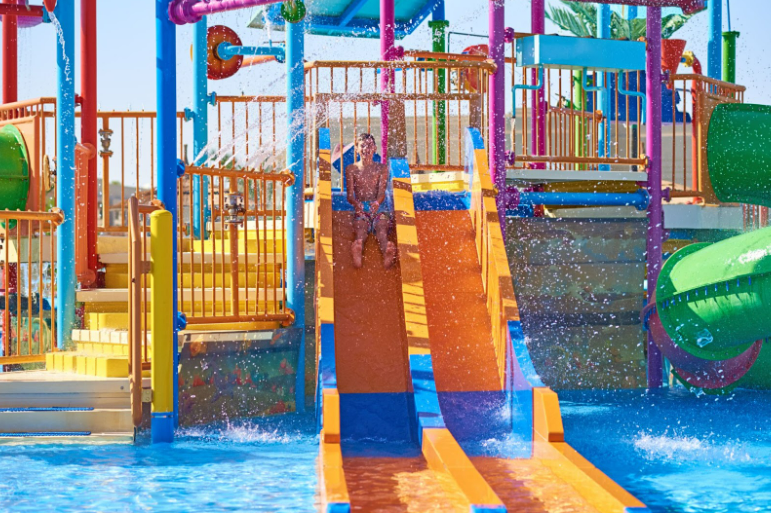
The rising popularity of splashpads in parks, resorts, and commercial developments is no surprise. These zero-depth aquatic play areas offer a refreshing, inclusive, and safer alternative to traditional swimming pools, making them an ideal amenity for communities and businesses alike. However, executing a successful splashpad construction project involves much more than simply placing water features on a concrete slab.
Whether you are a park planner, developer, or business owner, understanding the complex process of turning a vision into a functional, safe, and engaging water play environment is critical. From initial site assessments to final system testing, a well-planned approach ensures your facility remains a community favorite for years.
The Importance of Professional Planning
Before breaking ground, it is essential to view your project as a long-term investment. Planning is the most crucial phase of splashpad construction, as it dictates everything from your operational costs to user safety.
Working with experienced professionals—including reputable splash pad suppliers—can help you navigate the technical and regulatory requirements that often catch newcomers off guard. An integrated design-build team can streamline the process, ensuring that your plumbing, filtration, and play features are not only aesthetically pleasing but also technically sound and compliant with local health codes.
Essential Phases of Splashpad Construction
A professional project typically follows a structured lifecycle. Following these steps helps avoid costly errors and ensures that all stakeholders remain aligned.
1. Assessment and Site Planning
The foundation of a great splashpad is the site itself. A thorough assessment includes:
-
Geotechnical Evaluation: Checking soil stability to ensure the ground can support the weight of the structure and the plumbing systems.
-
Utility Mapping: Identifying the location and capacity of existing water, electricity, and drainage lines.
-
Grading and Drainage: The land must be graded properly to promote water flow toward drains and prevent dangerous pooling, which can create slip hazards and water quality issues.
-
Accessibility: Ensuring the design meets all ADA requirements and provides inclusive access for users of all abilities.
2. Design and Engineering
This stage transforms your goals into a visual and technical blueprint. Key design considerations include:
-
Age-Appropriate Zoning: Dividing the splashpad into distinct zones—such as gentle ground sprays for toddlers and more interactive cannons or dumping buckets for older children—maximizes the play experience.
-
Visual Elements: Integrating themes, colors, and lighting can elevate the space into an iconic attraction.
-
System Integration: Choosing between flow-through (to waste) or recirculation water management systems. Recirculation systems require more complex filtration and sanitation setups but are often preferred for water conservation.
-
Safety Surfacing: Using non-slip, shock-absorbent materials like poured-in-place rubber is standard practice to minimize the risk of falls and injuries.
3. Permitting and Regulatory Compliance
Never underestimate the time required for approvals. Most commercial aquatic projects require:
-
Health Department Approvals: Verification that your water treatment and quality management plans meet safety standards.
-
Municipal Building Codes: Permits for structural work, electrical bonding, and ground-fault circuit interrupter (GFCI) installations.
-
Safety Standards Compliance: Adhering to the Model Aquatic Health Code or local equivalent for aquatic venues.
4. Construction and Installation
With permits in hand, the construction phase begins. This involves:
-
Underground Infrastructure: Installing the piping network, holding tanks, filtration equipment, and electrical conduits.
-
Surface Preparation: Pouring and finishing the concrete base, followed by the application of the chosen non-slip safety surface.
-
Feature Installation: Mounting the interactive play components, ensuring all connections are secure and leak-free.
Best Practices for Long-Term Success
Once your splashpad is built, the focus shifts to operation and maintenance. A proactive approach is the best way to protect your investment.
Maintenance and Water Quality
Water quality is paramount to prevent recreational water illnesses. If you are operating a recirculation system, daily monitoring of chlorine levels, pH balance, and flow rates is non-negotiable. Regular inspection of drains, filters, and play features ensures that the facility remains safe and operational.
Safety Signage and Rules
Clearly posted rules can help mitigate risks. Consider including:
-
Supervision requirements for young children.
-
Prohibitions on running, rough play, and glass containers.
-
Guidelines regarding appropriate attire (e.g., swim diapers) and health restrictions.
Partnering with Experts
Choosing the right team makes all the difference. When selecting splash pad suppliers or construction partners, look for companies that provide end-to-end solutions. Organizations like Oasis Water Playgrounds specialize in the full lifecycle of aquatic play—from conceptual design and engineering to manufacturing, construction, and maintenance training.
By prioritizing thorough planning, adhering to safety regulations, and working with experienced professionals, you can create a splashpad that delivers endless joy and value to your community. Remember, a successful project is one where safety, functionality, and fun are perfectly balanced.

 English
 Arabic
 French
 Portuguese
 Deutsch
 Turkish
 Dutch
Dutch
 Italiano
 Russian
 Romaian
 Portuguese (Brazil)
 Greek
Greek